Last updated November 22, 2026
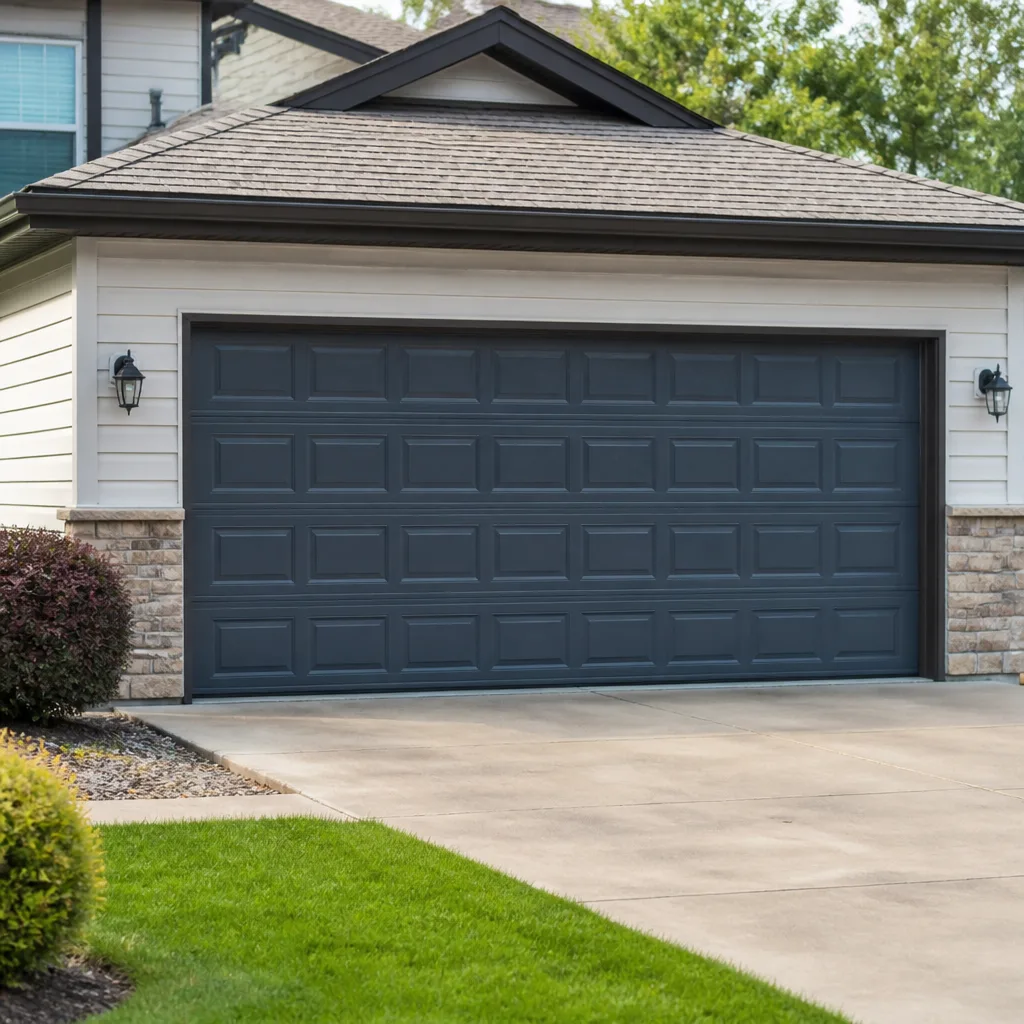 Raised-panel steel
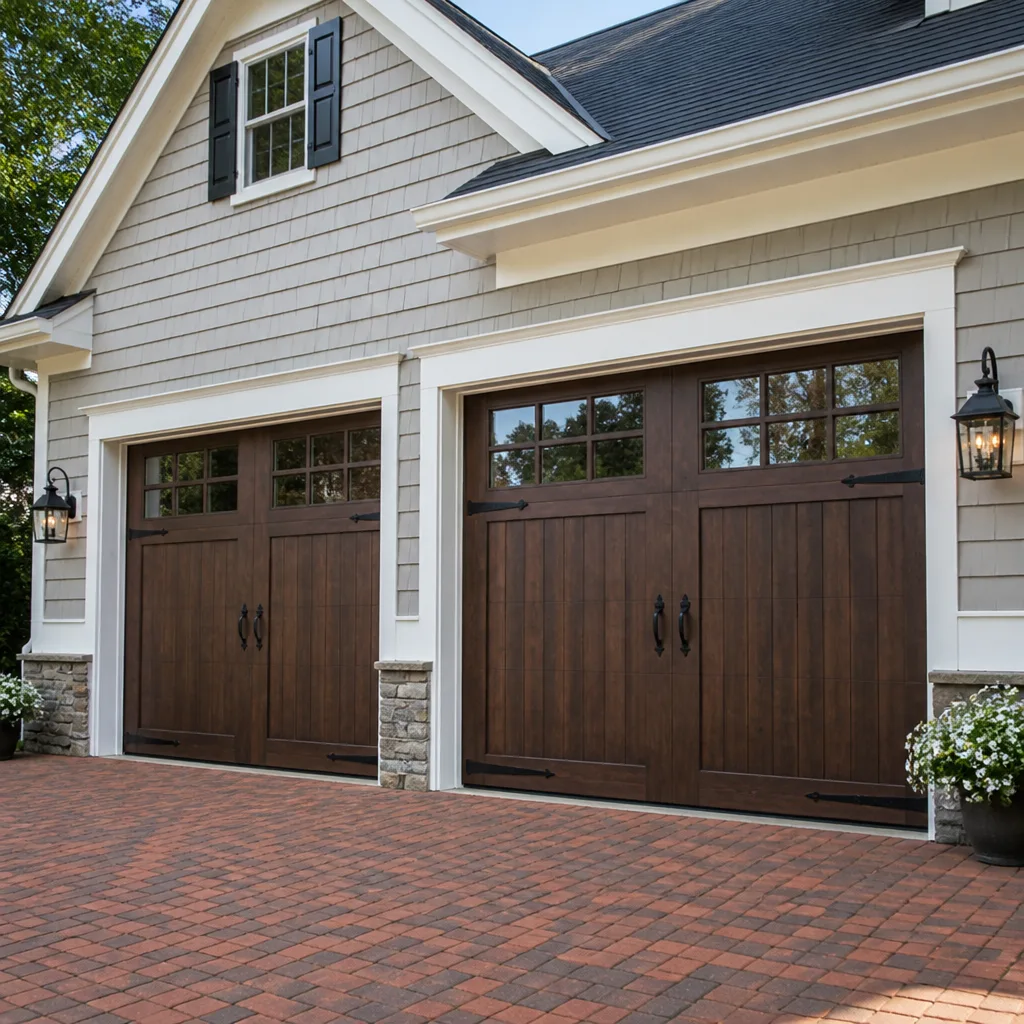 Carriage house
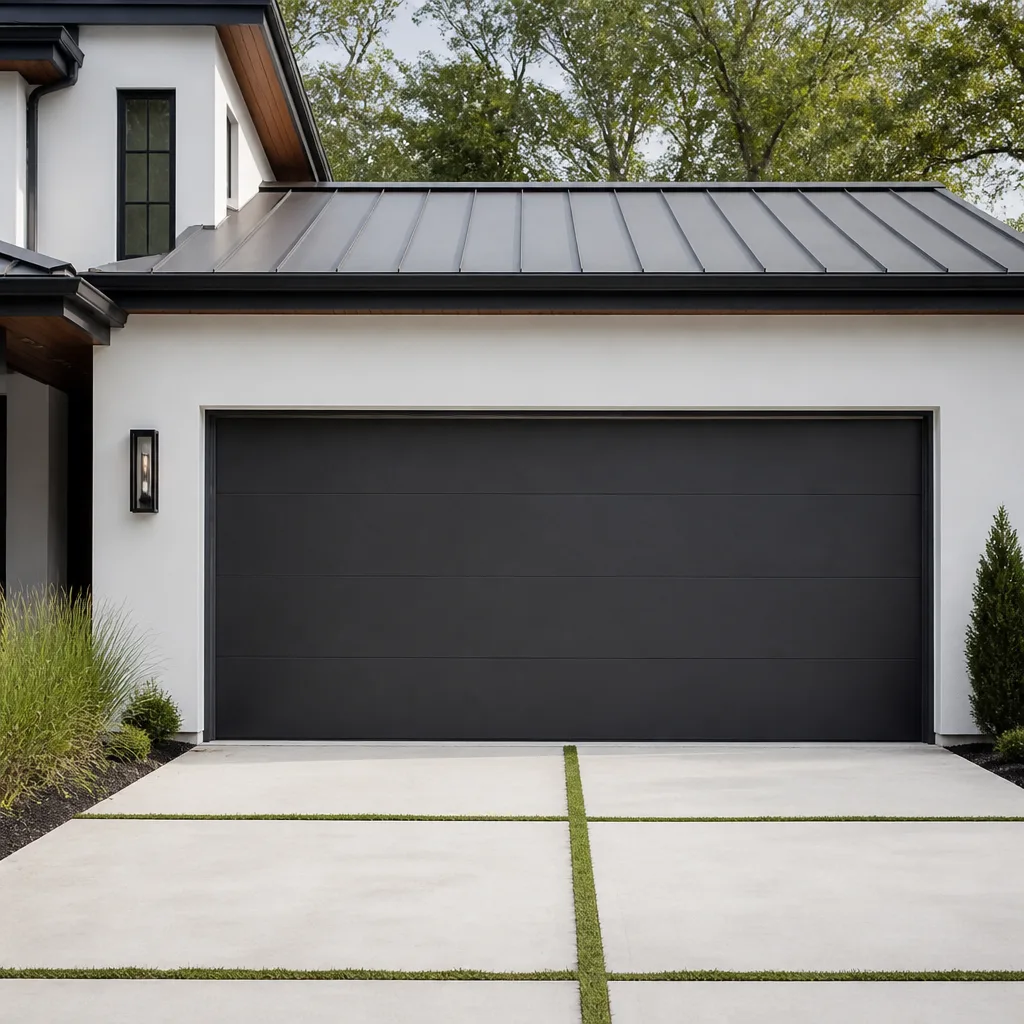 Modern flush
 Full-view glass
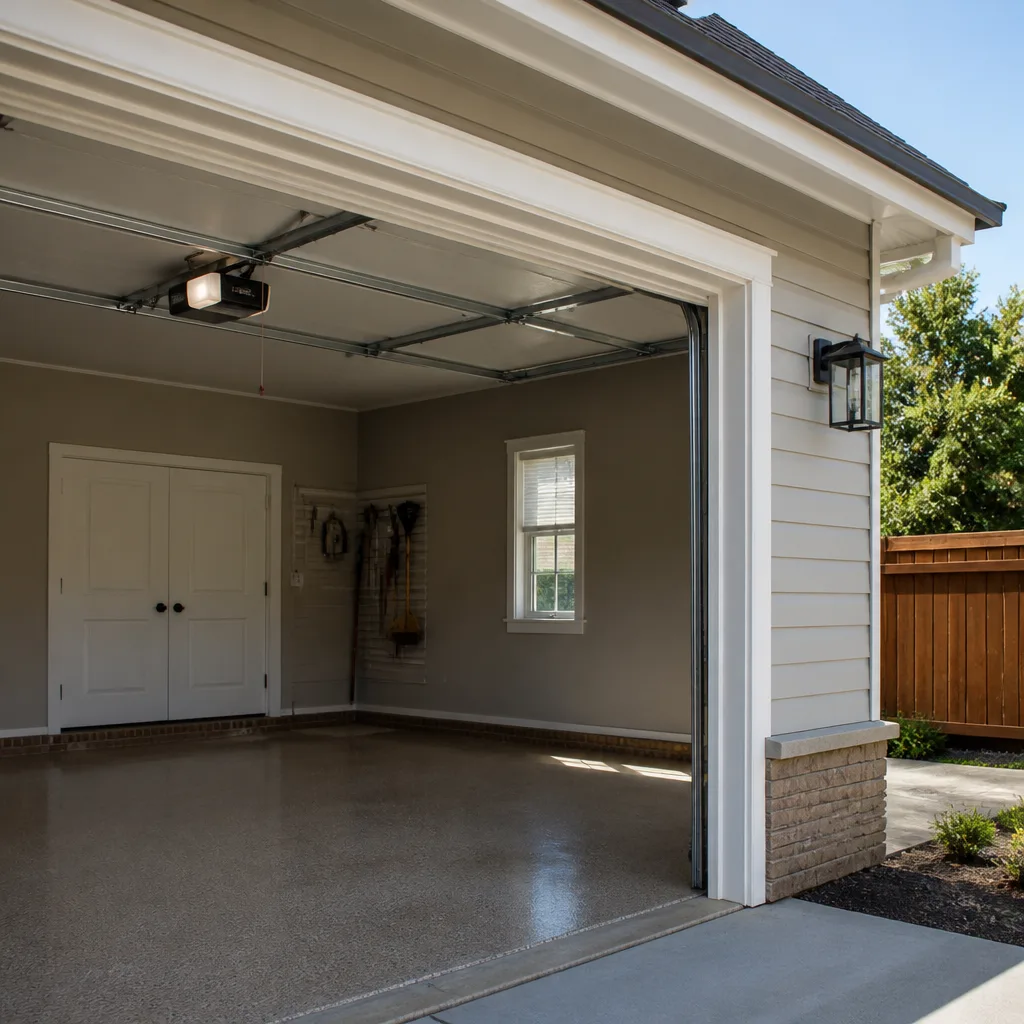 LiftMaster openers
 Chamberlain openers
Full 25-point door and opener safety check with every visit - springs, cables, rollers, tracks, and your LiftMaster or Chamberlain opener included
You get a price before we start. It does not change when the pro arrives.
Get your free estimateGarage Door Repair Maintenance Checklist for Portsmouth Homeowners
Most garage door “maintenance” we get called out to fix wasn’t a door that got neglected. It was a door someone tried to help. Lubricating the wrong parts, or reaching for the wrong can in the garage, is one of the most common reasons we see doors start failing within months of a homeowner maintaining them. The spring gets quiet, then the door starts binding. The rollers sound better, then the bearings seize. This guide draws a hard line between what you can safely do in an afternoon and what belongs in the hands of a technician, tuned to how Portsmouth’s humid summers and storm season actually stress a door. You’ll learn what to check, when to check it, and what to leave alone.
Quick Answer
A safe garage door maintenance routine in Portsmouth means monthly visual checks of springs, cables, hinges and rollers, lubricating only the right moving parts twice a year, balancing and testing the safety reverse each season, and clearing the tracks of grit and debris. Torsion springs, cables, and bottom brackets are not homeowner tasks under any circumstances. Everything that keeps the door quiet and aligned, you can do. Everything that holds the door’s weight, you shouldn’t touch.
Styles & brands we work with
- Raised-panel steel
- Carriage house
- Modern flush
- Full-view glass
- LiftMaster openers
- Chamberlain openers
Table of Contents
- The Safe/Unsafe Split: What You Can Do and What You Can’t
- Lubricating the Right Components (and What Not to Spray)
- Where Rust Hides in Portsmouth Humidity
- Seasonal Timing for Portsmouth: When to Do What
- Early Warning Signs in Rollers, Cables and Springs
- Opener Logic and Safety Reverse Checks
- Tracks, Seals and Weatherstripping After a Storm
- Brand-Specific Notes: What to Expect From Your System
The Safe/Unsafe Split: What You Can Do and What You Can’t
The single most useful maintenance skill is knowing which parts of your door you should never touch. A garage door is one of the heaviest moving assemblies in your home, and it stays up because of stored tension in springs and cables that can release with enough force to seriously injure someone. Every garage door manufacturer, and every trained technician, treats the spring system as a hard stop for homeowners.
Here’s the working split we give every Portsmouth homeowner we talk to.
Safe for homeowners (no tools or simple tools):
- Visual inspection of springs, cables, hinges, rollers, tracks and the opener rail
- Listening for unusual noise and watching for uneven or jerky movement
- Wiping down tracks and hinge points with a damp rag
- Applying approved lubricant to hinges, rollers, and the opener rail
- Testing the door balance by hand with the opener released
- Testing the safety reverse with a small object under the door
- Clearing debris, leaves and grit from the track channels
Unsafe – call a technician:
- Adjusting, replacing or removing torsion springs or extension springs
- Touching cables or the bottom bracket that holds them under tension
- Loosening or re-tensioning the springs to “fix” a heavy door
- Adjusting the opener’s force settings to compensate for a hard-running door
- Straightening or repositioning a bent bottom section
- Repairing a damaged section that carries cable load
If you’re unsure which side of that line a task falls on, treat it as unsafe. That’s not caution to the point of uselessness; it’s how we treat our own work. When a Portsmouth door has a spring or cable issue, that’s a job for someone trained on the tension side of the system, and we cover that in detail on our page about garage door spring repair.
Lubricating the Right Components (and What Not to Spray)
Lubrication is where well-meaning maintenance goes wrong most often. The can in your garage is probably not the right one for a garage door. WD-40, silicone sprays, and any vegetable-based oil (olive oil, cooking spray, “natural” lubricants) are common substitutes that cause real problems on a door.
Here’s what each of those actually does:
- WD-40 (the standard blue/yellow can): a solvent and water displacer, not a lasting lubricant. It thins out the factory grease, attracts dust, and leaves rollers and hinges drier within weeks. It’s fine for loosening a rusted bolt. It’s not a garage door lubricant.
- Vegetable or food-based oils: these oxidize, turn tacky and gummy, and trap grit. On rollers and hinges, they can gum up the bearings and slow the door. On springs, they can degrade the protective coating over time.
- Silicone spray: okay on weatherstripping to keep it supple, not the right choice for hinges, rollers, or the opener rail. It doesn’t hold up under load.
- White lithium grease or a garage-door-specific lubricant: the correct choice for hinges, rollers, springs (a light coat only, and only when the door is at rest with the spring system intact), the opener rail, and the lock mechanism.
Where to apply it:
- Hinges – one small drop at each pivot point.
- Roller stems and bearings – a light coat, not a heavy blob.
- The opener rail and chain or belt – per the manufacturer’s guidance.
- Lock cylinder and handle mechanism.
- Do not spray the track itself. Tracks stay clean and dry. Lubricant on a track attracts dirt.
Twice a year is the usual cadence in Portsmouth; once at the start of summer and once as fall settles in. If your door is used heavily, or you have a Wayne Dalton or Clopay door with a higher cycle count, we look at it more often. Lubricating the wrong parts, or using a solvent in place of a lubricant, is the kind of maintenance that shows up as a failing bearing two or three months later, and that’s typically when a homeowner calls for garage door repair.
Where Rust Hides in Portsmouth Humidity
Portsmouth summers are long, humid, and heavy. The moisture hangs in a garage for weeks, especially if the door faces the afternoon sun or the garage is attached and unventilated. That humidity is what drives rust, and rust almost never starts where homeowners look first. It starts in the spots that stay damp the longest and get the least attention.
The places to check, in order of how often we find the first rust there:
- Hinge knuckles and pivots: the joint is where moisture sits and where factory plating wears through first. Look for orange dust or a rough finish on the pin.
- Bottom brackets and the bottom corner of each section: the lowest part of the door takes the most moisture from the floor and from splash. The bottom bracket area is also one of the most dangerous parts of the door, so inspect from a distance and never put your hand in the cable area.
- Cable drums and the top of the end plates: drums are exposed to the same damp air and get less attention than the springs. Look for rust on the drum face and along the cable grooves.
- Roller stems inside the hinges: hidden by the hinge, so rust there is easy to miss until the roller seizes.
- Steel section seams: where two panels meet, moisture collects in the seam. A Clopay or Amarr steel door is most vulnerable here after the factory finish is chipped or scuffed.
What you can do: wipe down evident surface rust with a light cloth, touch up paint on any nicked panel to slow it down, and keep the floor of the garage dry where possible. What you can’t fix from a rag and a can of paint is rust inside a hinge knuckle or on a cable drum, because both are load-bearing. If you see visible rust on a spring, drum, or cable, call it in. Rust on a cable is a cable that’s already weakened. We treat that as an inspection-priority item on any service call in Portsmouth.
A simple test: open the door and stand back. A door that ran quietly last spring but now has a slight grind or vibration on the way up is telling you the bearings or hinges have started to corrode. Catch it early and it’s a small repair.
Seasonal Timing for Portsmouth: When to Do What
Generic “spring and fall” advice doesn’t fit Portsmouth well. Our big humidity push runs from June through September, storm activity peaks late summer into early fall, and the shoulder months are when a door is more likely to sit unused and stiffen up. Here’s the calendar we use when advising homeowners.
Late spring (before the June humidity):
- Lubricate all hinges, rollers, and the opener rail with a proper garage door lubricant.
- Wipe down the tracks and clear grit from the bottom channels.
- Inspect for surface rust before the humid season begins and touch up paint nicks.
- Test the balance and safety reverse.
Midsummer (July-August):
- A quick monthly visual: springs, cables, hinges, and bottom brackets – from a distance, no hands near the cable.
- Listen for a change in sound. A door running louder or rougher in the heat is usually a lubrication or bearing issue.
- Check weatherstripping at the bottom of the door for cracking. Heat makes a dry seal split.
After a storm (late summer through fall):
- Clear debris and grit from the track after heavy rain or wind.
- Look for a door that’s now out of line or binding at the top; storm loading on a panel can push it out of square.
- Check the bottom seal and side weatherstripping for tears.
- Test the safety reverse if the door was cycled unusually or jammed during a power cut.
Fall (before winter):
- Second lubrication pass of the year.
- Test the opener’s force and limits; colder weather makes a marginal opener struggle.
- Confirm the safety reverse still responds, especially if the door has been left up for long periods.
Winter:
- Monthly visual of springs and cables, mostly to catch the effects of any cold snaps on older hardware.
- Check that the door closes fully and the seal sits flat on the floor.
This is the schedule that fits the way doors actually age in Portsmouth. If a check reveals something on the unsafe list, that’s an opener or spring issue and it belongs with a trained technician, not a weekend project. Our garage door opener repair page covers what to expect when opener behavior changes with the seasons.
Early Warning Signs in Rollers, Cables and Springs
Almost every garage door failure announces itself two or three checks before it happens. The trick is knowing what “normal” looks like so a small change stands out. Here are the specific early signs we’d want a homeowner to call in.
Rollers:
- A flat spot or “thump” as the door moves. A worn roller develops a flat side and starts skipping.
- Visible play in the roller inside the hinge. If it wiggles more than it should, the bearing is on its way out.
- Grinding or squealing that continues after a fresh lubrication. That’s the bearing, not the surface.
- Nylon rollers turning brown or cracking; steel rollers showing visible pitting.
Cables:
- Frayed strands sticking out at any point on the cable. This is a stop-using-the-door sign.
- A cable that’s riding crooked on the drum or looks loose on one side.
- Visible rust along the length of the cable.
- The door hanging slightly uneven at one end when it’s up.
Springs:
- A visible gap in a torsion spring coil. This is the most common sign a spring has broken, and the door should not be operated.
- Two springs (a matched pair) where one has clearly stretched differently from the other.
- Rust or heavy flaking on the spring coil.
- A door that feels very heavy on the way up with the opener released.
Any of the spring or cable signs is a hard stop. Don’t cycle the door to test it. Call and get it looked at. This is why we treat spring repair as a service in its own right – the most common serious failure on a garage door is also the most dangerous to ignore.
Opener Logic and Safety Reverse Checks
Opener problems are usually quieter than spring problems, and that’s what makes them easy to miss until the door stops working. The opener’s logic board and sensors are the parts that fail slowly: a limit that drifts, a sensor that sees the sun and refuses to close, a board that intermittently loses the travel settings.
Here’s the monthly test, and it takes two minutes:
- With the door fully up, place a 2×4 or similar object flat on the floor in the middle of the door opening.
- Press the close button and watch the door contact the object.
- The door should reverse. If it doesn’t, or if it stops only after pressing hard, the opener needs service.
- Also test the photo-eye sensors: wave something in front of them while the door is closing. The door should reverse immediately.
- Look at the wall button and remote for a change in behavior. A button that needs two presses, or a remote that’s lost range, is often a board or battery issue you can have looked at.
If the door runs slow at the top, stops before closing, or the opener “learns” the wrong travel, don’t raise the force setting to get past it. Forcing a marginal opener is how you end up damaging a panel or burning out the motor. The right move is a diagnostic. Our technicians have up to 15 years of experience across LiftMaster, Chamberlain, Genie, and Craftsman openers, and the diagnosis usually takes less time than chasing the manual.
Tracks, Seals and Weatherstripping After a Storm
Tracks and seals are the parts of the garage door that take the brunt of Portsmouth weather. A track that’s slightly out of line will eventually wear out rollers. A seal that’s torn will let water under the door and soak the bottom section. Here’s what to do after a hard rain or wind event.
Tracks:
- Wipe the inside channel of each track with a dry rag and clear any grit.
- Look for bend or kink in the vertical or horizontal track. A single visible dink can cause a roller to jump.
- Listen for a scrape at any point in the door’s travel; a scraping roller is usually a bent track.
- Never straighten a track by bending it with a hammer. It needs to be aligned with the door, which is a two-person job with the right tools.
Seals and weatherstripping:
- Check the bottom seal for a flat, hardened, or torn profile. Replace when it no longer meets the floor evenly.
- Check the side and top weatherstripping for gaps. Daylight around the frame is a leak.
- A light silicone spray on the weatherstripping a few times a year keeps it from cracking.
- If water is pooling under the door after storms, the seal or the floor line is the issue, not the opener.
If you have a Wayne Dalton or Amarr door, seals and bottom sections are standard service items. If the damage is more than a seal, or the bottom section is bent, that’s an installation-grade repair and we’ll cover it through our Portsmouth Garage Door Repair Pros service desk.
Brand-Specific Notes: What to Expect From Your System
We work on the door you have, and that means the checklist looks slightly different depending on the brand and vintage. A few practical notes.
- Craftsman and older Genie openers: more likely to have analog limit switches that drift. If the door stops short or reverses at the top, it’s usually a limit adjustment rather than the motor.
- LiftMaster and Chamberlain: these boards tend to fail with intermittent errors rather than sudden stops. A remote that works from the driveway but not from inside is often a logic or antenna issue, and worth a diagnostic.
- Clopay and Amarr steel doors: watch the panel seams and the bottom corner. These are where first rust appears in Portsmouth humidity, and touching up nicks early is the cheapest thing you can do for the door.
- Wayne Dalton: certain models run on a proprietary torsion system; anything involving the spring should be a professional call. Don’t assume a standard hardware kit will fit.
The takeaway: a checklist helps regardless of brand, but the way a failure looks on your opener and door is brand-specific. That’s one reason we keep service experience across LiftMaster, Chamberlain, Genie, Clopay, Amarr, Wayne Dalton, Craftsman, and Raynor rather than being a single-brand shop.
Common Mistakes to Avoid
- Spraying WD-40 into hinges and rollers to “quiet” the door. It works for a week and then leaves the parts drier and dustier. Use a proper garage door lubricant.
- Oiling the track itself. The track wants to be clean and dry. Oil on the track collects grit and grinds the rollers.
- Adjusting the opener force setting to get past a stiff door. It masks a spring, roller, or alignment problem and burns the opener out over time.
- Using a cooking oil or “natural” lubricant. These go tacky and gummy, and on rollers they can actually slow the door down.
- Straightening a troubled track with a hammer. Tracks have to be aligned with the door, not just smoothed. A DIY fix usually means replacing the whole run of track later.
- Ignoring visible rust on a cable or spring because the door still works. Rust on a load-bearing part is the warning, not the failure. Treat it that way.
- Testing a door after hearing a loud bang from the spring area. A broken spring means the door should not be cycled. Call for service and keep people clear of the door.
Portsmouth doors we service tend to fail the same way: someone tried to help, the door felt better for a month, and the actual wear point got worse. The checklist above is about doing the helpful half and leaving the rest alone.
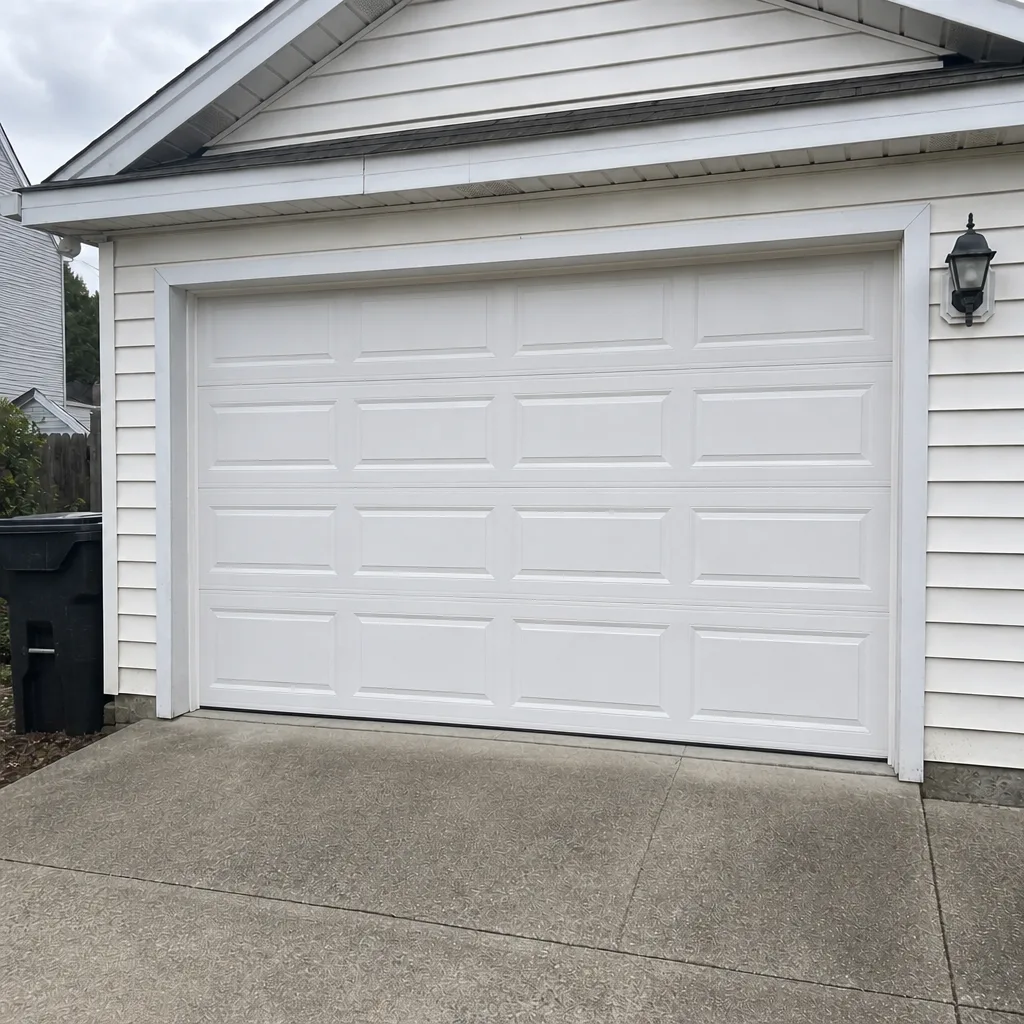
See the difference
 Before
 After
 Before
 After
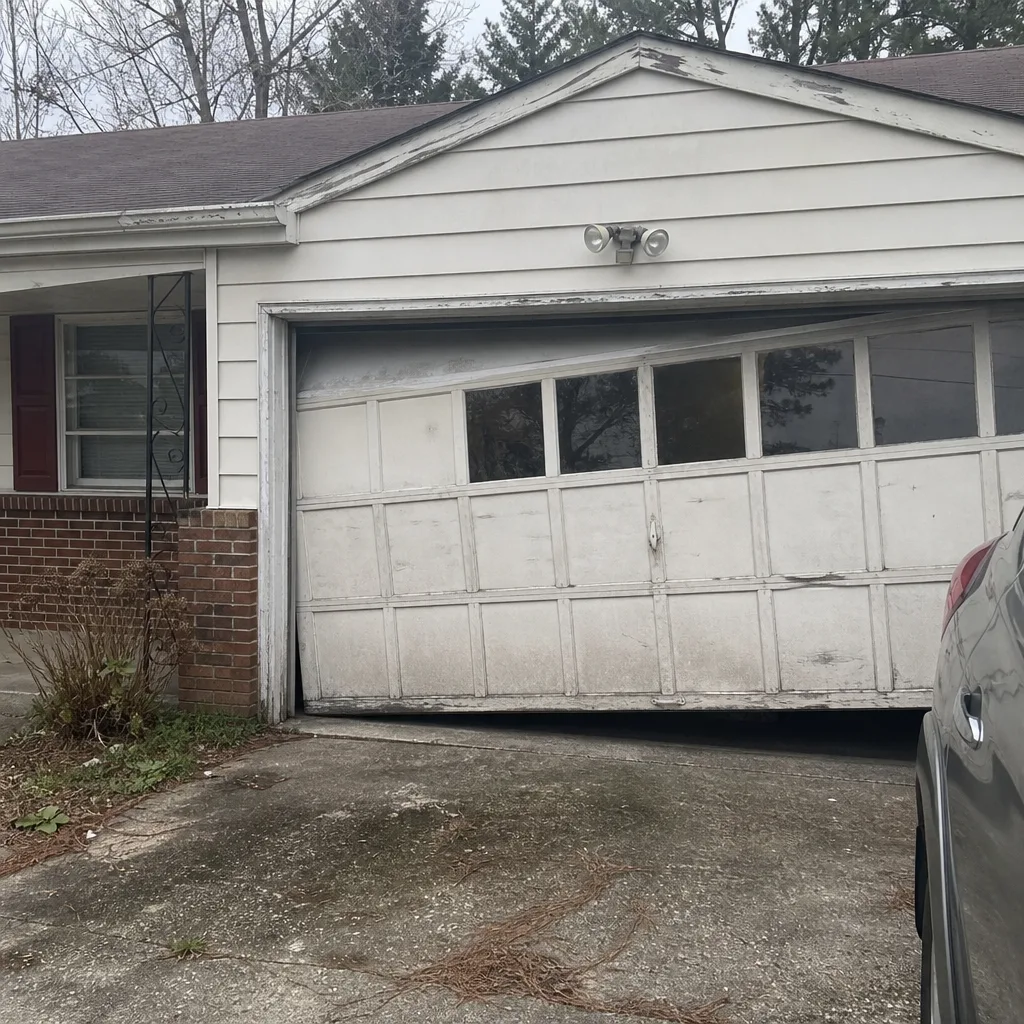 Before
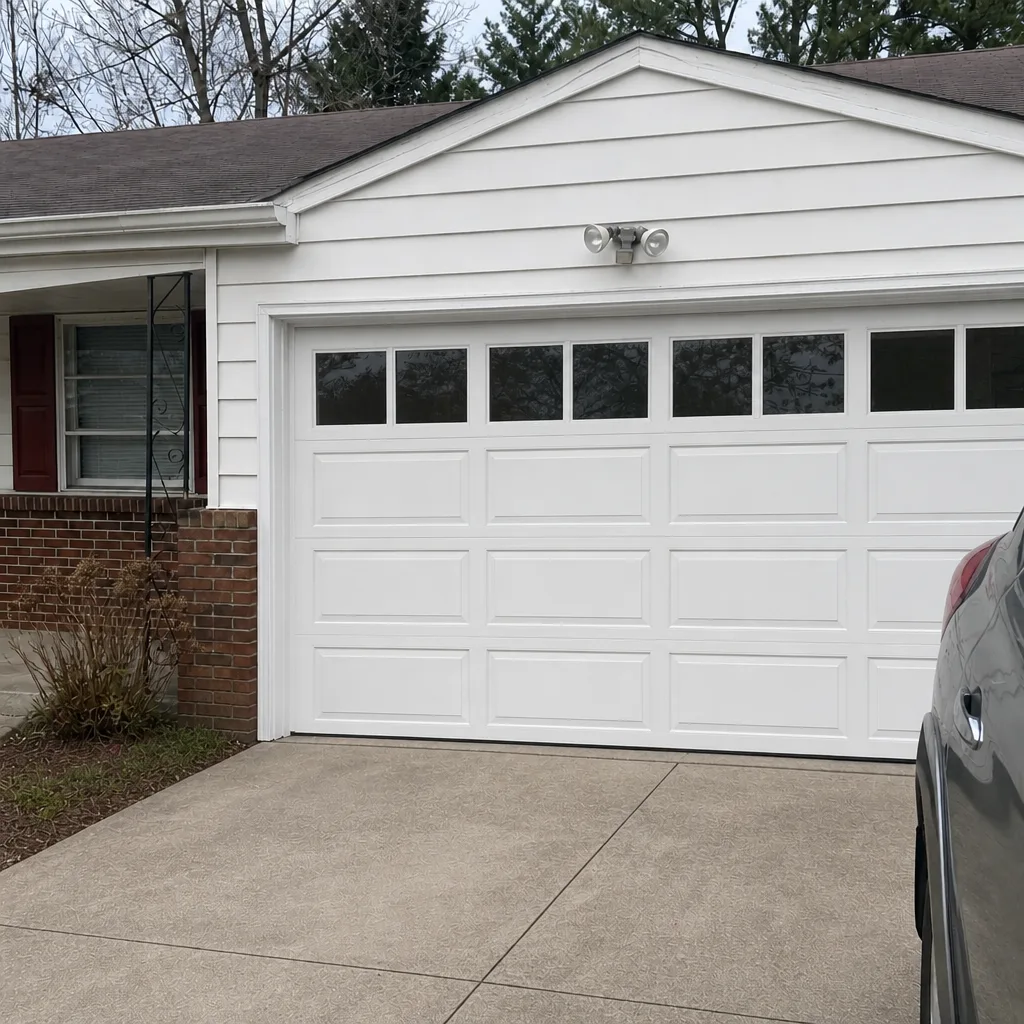 After
When to Call a Professional
Call a professional for anything that involves stored tension or structural load. That means any suspected spring break, any visible cable damage, any bent track or door section, any opener behavior that requires adjusting the force setting, and any door that’s binding, hanging uneven, or making new noises on the way up. If you’re not sure, call and ask; we’d rather tell you it’s fine than find out two months later that a cable was close to failing.
Portsmouth Garage Door Repair Pros connects homeowners with independent local technicians who are licensed and insured as the state requires, and we work on the door you already have. Our technicians have up to 15 years of experience across the eight brands above. Portsmouth Garage Door Repair Pros offers free estimates in Portsmouth – call (855) 937-1767.
Frequently Asked Questions
Twice a year is the standard cadence in Portsmouth: once in late spring before the humidity sets in and once in fall before winter. Apply a garage-door-specific lubricant to hinges, rollers, the opener rail, and the lock; leave the tracks dry and clean. If a roller runs rough after a fresh lubrication, the bearing is the problem, not the surface, and it needs a technician.
No. Torsion and extension springs are under enough tension to cause serious injury, and a door sitting with a broken spring should not be cycled. This is a task for a technician with the right tools and training, and it’s exactly what our garage door spring repair service is set up for. Call (855) 937-1767 and we’ll get an estimate to you.
Safe homeowner tasks are visual inspection, cleaning the tracks, lubricating hinges and rollers, testing the safety reverse, and touching up paint on panels. Everything that holds the door’s weight, including springs, cables, bottom brackets, and the drum assemblies, is off-limits. If a task would require loosening a tensioned part, stop and call.
Frayed strands, a cable that’s riding crooked on the drum, visible rust along the cable, or a door that hangs slightly uneven when raised are all signs of a failing cable. Stop operating the door and call for an inspection. A cable is cheap to inspect and expensive to ignore.
Afternoon sun hitting the photo-eye sensors is a common cause in Portsmouth homes with a west-facing door. Check that nothing is in front of the eyes and that the sensors are aligned; if the behavior continues once the sun is off them, the opener’s logic board or limits need a diagnostic. Our garage door opener repair service handles LiftMaster, Chamberlain, Genie, and Craftsman systems regularly.
Clear grit and debris from both tracks, then look for a bent track, a door out of alignment, or torn weatherstripping at the bottom and sides. Test the safety reverse before putting the door back into daily use. If anything looks bent at the bottom section or the door binds on the way up, call and have it inspected before cycling it further.
The Bottom Line
A garage door stays reliable when maintenance focuses on the right parts. In Portsmouth, that means two lubrication passes a year, monthly visual checks focused on the spots where humidity-driven rust starts, a safety reverse test as the seasons change, and a clean track after storm weather. The line that matters most is the one between the parts you can safely handle and the parts you can’t – springs, cables, and bottom brackets belong in trained hands, every time. Do the safe half well and you’ll catch most failures while they’re still small. If something on your inspection doesn’t look right, our team at Portsmouth Garage Door Repair Pros is a call away at (855) 937-1767 for a free estimate.
Written by the team at Portsmouth Garage Door Repair Pros.