Last updated November 22, 2026
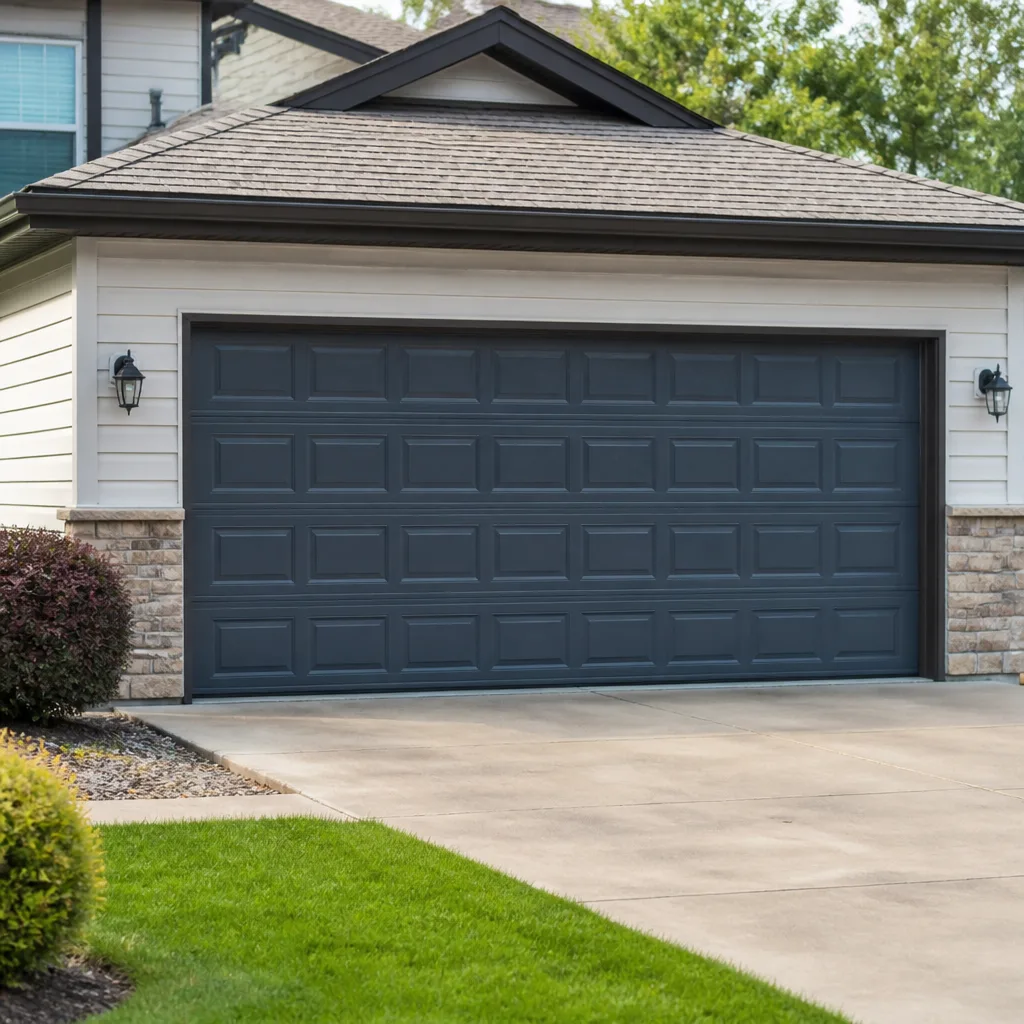 Raised-panel steel
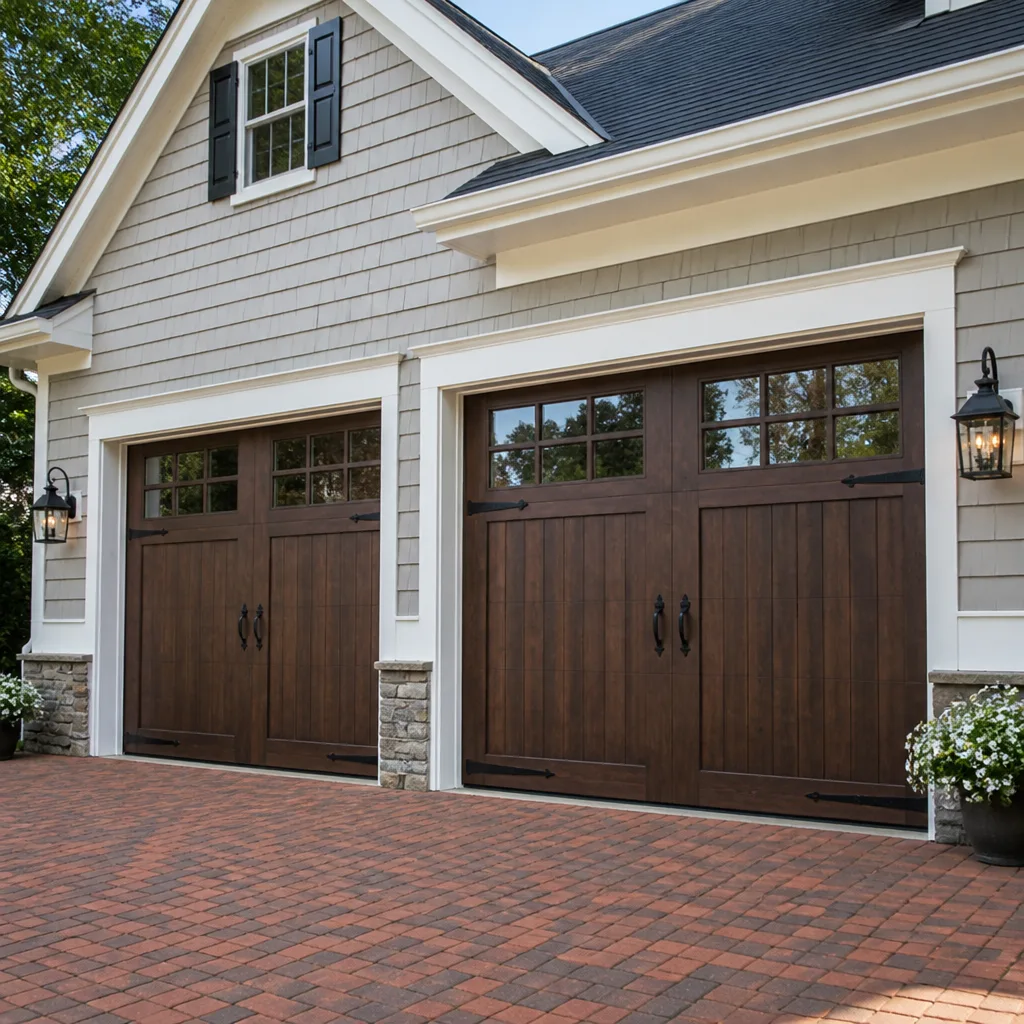 Carriage house
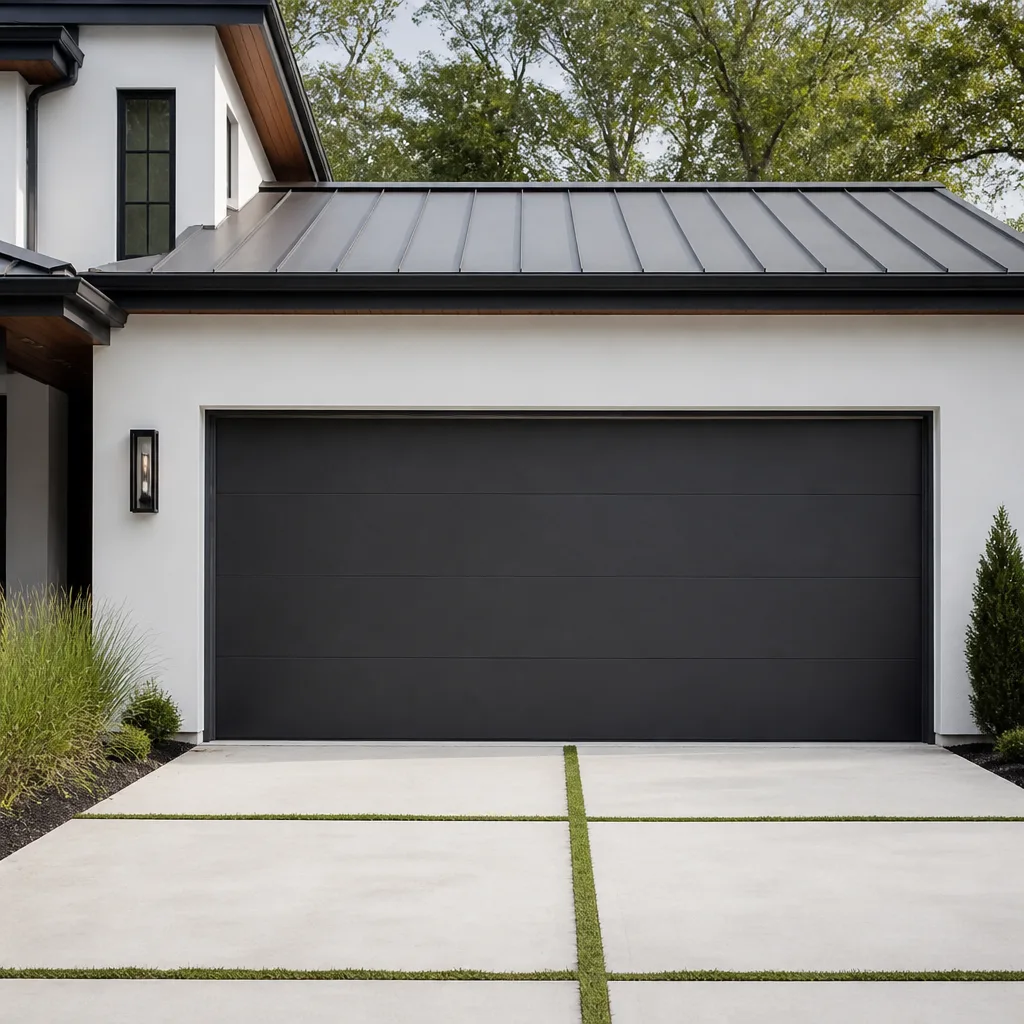 Modern flush
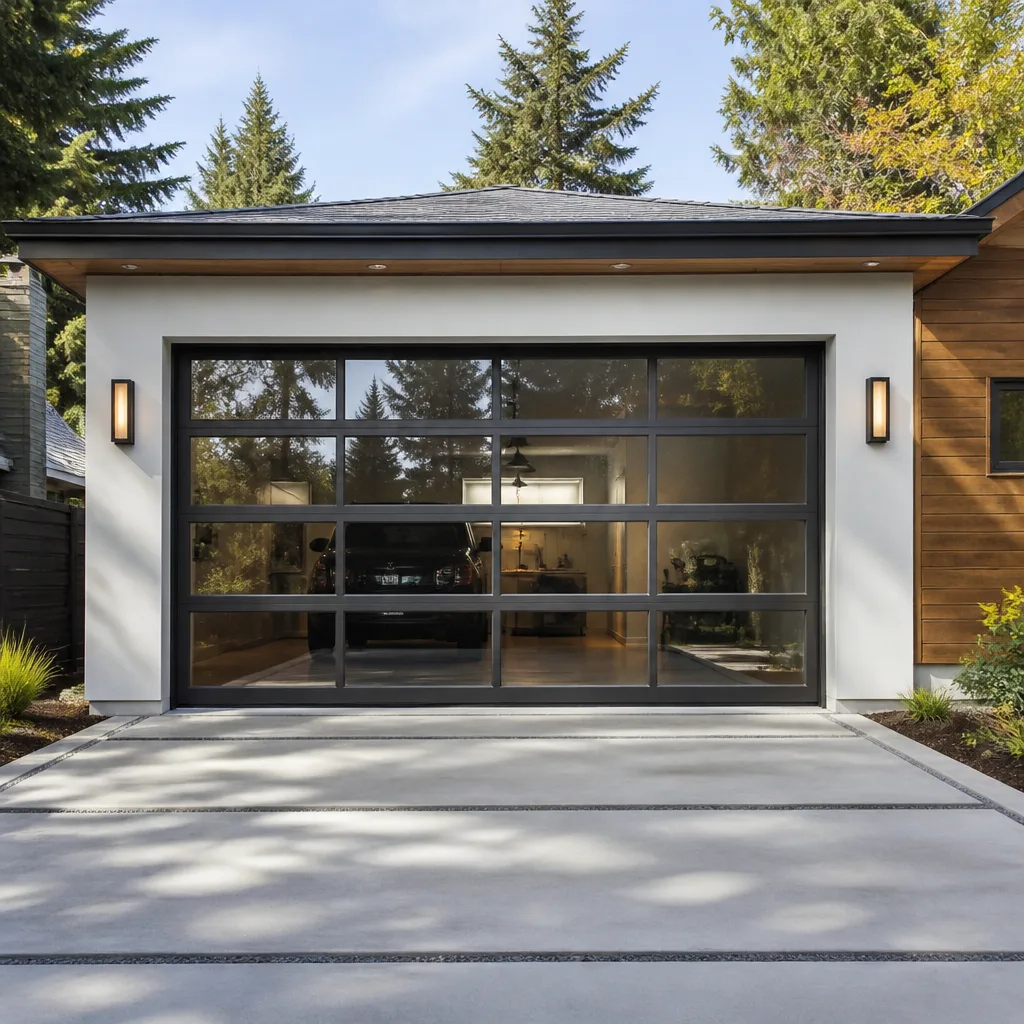 Full-view glass
 LiftMaster openers
 Chamberlain openers
Full 25-point door and opener safety check with every visit - springs, cables, rollers, tracks, and your LiftMaster or Chamberlain opener included
You get a price before we start. It does not change when the pro arrives.
Get your free estimateGarage Door Permits, Codes & Inspections in Portsmouth, VA: What You Need to Know
Here’s the part that surprises most homeowners: swapping a garage door for a nearly identical one usually needs no paperwork at all, but the moment the job involves structural changes or new electrical work, a permit typically comes into play. That distinction is where trouble starts. A door installed without a required permit in Virginia can surface during a home sale inspection, creating a last-minute title problem that delays a closing or kills the deal outright. The same unpermitted work can complicate an insurance claim if a failed door damages property. This guide walks through when a garage door permit in Portsmouth, VA is actually required, which Virginia code rules apply to springs, opener circuits and the fire-rated door between your garage and living space, what a compliance inspection checks, and how families inherit unpermitted work from a previous owner.
Quick Answer
In Portsmouth, a straight replacement of a garage door in the same opening, with no structural or electrical changes, generally does not require a building permit. A permit usually is required when the job alters the opening, changes the header or framing, installs a new electrical circuit for an opener, or replaces a fire-rated door assembly between the garage and the house. Because local thresholds and interpretations vary, the final word always comes from the City of Portsmouth building department. Ask before work starts, not after.
Styles & brands we work with
- Raised-panel steel
- Carriage house
- Modern flush
- Full-view glass
- LiftMaster openers
- Chamberlain openers
Table of Contents
- When a Garage Door Permit Is Required in Portsmouth
- The Virginia Code Rules That Apply to Your Garage Door
- Structural and Electrical Work: Where Permits Come In
- How Unpermitted Work Affects Insurance Claims
- What a Code-Compliant Installation Inspection Actually Checks
- Retroactively Permitting Work From a Previous Owner
- Permits and the Home Sale Process in Portsmouth
- How to Hire a Contractor Who Handles the Permit
When a Garage Door Permit Is Required in Portsmouth
The clearest way to think about it: a permit is about the structure and the wiring, not about the door panel itself. A permit is required when the work touches framing, the opening dimensions, load-bearing elements, or the electrical circuit that powers an opener. It is generally not required when you replace a door and its hardware within an existing opening of the same size.
Portsmouth has a large stock of older homes, from the neighborhoods around Olde Towne and Park View to the bungalows through Cradock and Shea Terrace. Many of those garages were built to dimensions that don’t match a modern standard door. When a homeowner wants a wider or taller opening to fit a newer door, that’s a structural change. The header, the jambs and the surrounding framing are involved, and that is permit territory.
Replacement-in-kind versus modification
- Replacement-in-kind: Same opening, same door size, same spring and track configuration, no new wiring. Usually no permit.
- Structural change: Enlarging the opening, replacing or reinforcing a header, moving jambs, altering the wall around the door. Permit typically required.
- Electrical change: Adding a new circuit for an opener, installing an outlet where none exists, or relocating the opener’s power feed. Permit typically required for the electrical portion.
- Fire-rated door replacement: The door between an attached garage and the house is a fire separation. Swapping it out is where code and inspection enter the picture.
If you’re unsure which category your job falls into, the honest answer is to call the City of Portsmouth building department and describe the work. They will tell you whether a permit is needed and what the filing requires. It takes a few minutes and it settles the question.
The Virginia Code Rules That Apply to Your Garage Door
Virginia’s residential building code governs how a garage door and its supporting systems are installed in a home. It covers the structural opening, the spring and hardware assembly, the electrical circuit feeding an opener, and the fire separation between an attached garage and the living space. The code assigns responsibility for compliance to the person doing the work; inspectors verify it at the point where a permit is required.
Springs and hardware
Springs, cables, drums and track carry real energy and are the highest-risk part of the system. The code requires the assembly to be installed so the door operates safely and the hardware is rated for the door’s weight. This is one area where we are blunt: torsion springs and the cables under tension are not a homeowner project. The stored energy can cause serious injury in a fraction of a second, and a trained technician with the right winding bars is the only person who should be near them. Our garage door spring repair service exists precisely because this failure is common and the work is dangerous. That’s true whether the system is a Raynor, a LiftMaster setup or anything else.
Opener circuits
An opener needs a dedicated power source, and the code cares about how that circuit is installed: proper grounding, protection and accessibility. Adding an outlet or circuit for a new opener means electrical work, which falls under permit and inspection in most Virginia jurisdictions. Plugging an opener into an existing outlet is a different matter from running a new line, so the two jobs get treated differently.
The garage-to-house fire separation
When a garage is attached to the home, the wall and door between them form a fire separation. The code requires that separation to be maintained, including the door itself and the self-closing hardware on it. Replacing that door with a non-rated unit, or removing the self-closer, breaks the separation the code is trying to preserve. Inspectors check this. Insurance claims can hinge on it, especially after a fire. If your door between the garage and house is damaged and needs replacement, the replacement should be rated and installed to keep the separation intact.
Structural and Electrical Work: Where Permits Come In
Most of the permit questions we hear come down to one of two things: did the opening change, and did the wiring change? Answer those and you know whether paperwork is in play.
Structural triggers
A permit is typically triggered when the door opening itself is modified. That includes:
- Enlarging or reducing the rough opening to fit a different door size.
- Replacing or reinforcing a header above the opening.
- Moving jambs, studs or the wall framing around the door.
- Changing from a single door to a double door, or the reverse, where new framing is required.
In a house with an older, nonstandard garage, fitting a modern door sometimes means adjusting the opening. That’s the point where a permit is usually required and where a homeowner should get the building department involved before anyone picks up a saw.
Electrical triggers
Opener work splits cleanly. Repairing an existing opener, swapping a motor unit for a compatible one on the same wiring, or programming a remote generally needs no permit. Running new wiring, adding a circuit, or installing a new outlet for the opener is electrical work and is typically permitted and inspected. Modern openers from LiftMaster, Chamberlain and Genie all need a solid, correctly wired power source, and the installation of that source is where code and permit care about the details.
If the scope of your project is growing, it helps to know the boundary between repairs and installations. Minor fixes are quick work, and you can read more about our garage door repair options to see where each type of job falls.
How Unpermitted Work Affects Insurance Claims
Here’s the practical risk. Insurance companies pay claims based on the loss and the policy, and they can raise questions when the damaged item wasn’t installed to code or was installed without required permits. A door that fails and damages property, or a garage fire that spreads through a compromised fire separation, can be scrutinized closely. If the installation itself was non-compliant, the claim can be disputed or denied in part.
We’ve seen this play out in claims where the installation details mattered. Typical problems include:
- A garage-to-house door installed without the required fire rating, contributing to a fire spread.
- A spring assembly installed without the correct hardware, failing under load and causing property damage.
- Opener wiring run without a permit or inspection, with workmanship that later fails.
An insurance adjuster isn’t checking permits on every claim, but the risk is real and the cost of doing it right is small. A permitted installation leaves a record. That record is what lets you answer questions with documents rather than guesswork. The same record is what a buyer’s inspector will look for. We can work with your insurer on questions about how a repair was done, and we’ll tell you plainly what a compliant installation involves.
What a Code-Compliant Installation Inspection Actually Checks
If your job requires a permit, it will be inspected, often in stages. Knowing what an inspector looks for tells you what a quality contractor should deliver before the inspection ever happens. It also gives you a checklist to ask about.
Structural inspection
- The opening dimensions match the approved plans or the permit description.
- The header and framing are sized and supported correctly.
- The door is anchored, plumb and properly secured to the structure.
- The track is aligned so the door travels without binding.
Electrical and safety inspection
- The opener’s power source is wired to code: grounded, protected and accessible.
- Safety reversing features are installed and functioning.
- The photo-eye or equivalent safety system is positioned and working.
- The fire separation between garage and living space is intact, including the door and its self-closing hardware.
These are the checks that separate a clean install from a future headache. A contractor who works brand-agnostically, on whatever system you own, will know the safety requirements for that unit. Whether that’s a Chamberlain with a smart-home setup or a legacy Craftsman opener, the fundamentals are the same. Read more about our garage door opener repair expertise if you want a sense of how we approach the electrical side. Our technicians have up to 15 years of experience, and we’ve been through plenty of inspections. If your opener’s wiring or controls are giving you trouble, that experience is what you want working on your door.
Retroactively Permitting Work From a Previous Owner
Buying a house with unpermitted garage door work is common in Portsmouth, especially in older neighborhoods where generations of owners made their own improvements. The good news: the process exists and is manageable. You don’t have to undo the work. You have to document and, if necessary, bring it up to code.
Steps for retroactively permitting existing work
- Contact the City of Portsmouth building department. Describe what’s installed, what’s visible and what records exist. Ask what they require to open a permit on existing work.
- Expect an inspection or evaluation. The city will want to see the installation and assess whether it meets current code for the scope of the work that was done.
- Correct deficiencies if any come up. A compliant door and spring assembly, properly wired opener, and intact fire separation are usually what matters. Some items may need to be adjusted or replaced.
- Get the permit closed. Once the work passes inspection, you have a record. That record is the goal.
As a buyer, you can ask during the inspection period whether the garage door work was permitted and whether documentation exists. If it wasn’t, ask the seller to address it or negotiate accordingly. As a seller, assume the inspector will ask. Getting it sorted before you list is far easier than sorting it out mid-closing.
Permits and the Home Sale Process in Portsmouth
Permit problems are most often discovered during a sale, because that is when an inspector legitimately goes looking. The result is rarely a catastrophic problem and often a solvable one, but it costs time. Time is the thing most buyers and sellers don’t have. A closing date is set, financing is in motion, and a title issue that requires a permit application and inspection can push everything back.
For Portsmouth homeowners planning to sell, the practical advice is simple: if you’ve had a garage door installed with structural or electrical changes in the last several years, dig out the permit and the final inspection approval. If you don’t have them, find out whether the work needed a permit and whether it’s on file. Getting ahead of that question costs a phone call and forestalls a surprise.
The same logic applies to a home you plan to keep. Permit records matter for insurance, for warranty disputes and for future improvements. It’s worth a little effort now to keep the history of your garage clean.
How to Hire a Contractor Who Handles the Permit
A good installer knows when a permit is needed and whether their scope requires one. They will also tell you when it doesn’t. That clarity is a sign of experience, not a sales tactic. When you’re evaluating a garage door contractor in Portsmouth, ask direct questions and expect direct answers.
- “Does my job require a permit?” A straight answer, with a reason, is what you want. If the contractor says no, ask why. The right reasons are about scope, not shortcuts.
- “Who pulls the permit?” The person doing the work should own the permit. If you’re being asked to pull it as a homeowner, that’s worth a conversation.
- “What’s included in the price?” Permit fees, inspection scheduling and any required corrections should be part of the quoted scope, not a surprise later.
- “What’s the written estimate, and is the final price agreed before work starts?” Any legitimate contractor will put the scope and price in writing and agree it with you before anyone touches the door.
We work on the system you already own, whether that’s a LiftMaster, a Genie or anything else you’ve got. And we survey the full scope of the project so you know what you’re buying. Full installations are measured and scheduled. Minor repairs can often be done quickly. If you want an overview of the whole service, visit Portsmouth Garage Door Repair Pros and start with a free estimate. The price you agree to once we’ve measured is the price you’ll see on the invoice. If you need a straight answer on permits and a clean install from a team that can handle any brand, call us for a free estimate.
Common Mistakes to Avoid
- Assuming all garage door work needs a permit. A same-size replacement in an existing opening usually doesn’t. Assuming you need one wastes time; assuming you don’t when the opening changed can create a problem. Ask the city, not the internet.
- Skipping the fire-rated door on the garage-to-house wall. Replacing a rated door with a non-rated unit is a code problem that can come back in a fire claim. The separation is there for a reason.
- Letting an unlicensed helper run opener wiring. Electrical work has its own requirements and, in most cases, its own permit. A cheap install that skips the inspection can leave you exposed.
- Signing a contract that doesn’t state who pulls the permit. This is a silent gap in too many jobs. If the contract is silent, ask.
- Not checking permits during the inspection period on a house purchase. In Portsmouth’s older neighborhoods, unpermitted improvements are common. A five-minute question early can prevent a closing delay.
- Trusting a handshake on price. The estimate should be in writing and the price should be agreed before work starts. A job done without a written scope is a job where the invoice can change.
- Doing spring or tension-cable work yourself. This is the most dangerous part of the system and the most common serious household injury in this line of work. Leave it to trained technicians, always.
See the difference
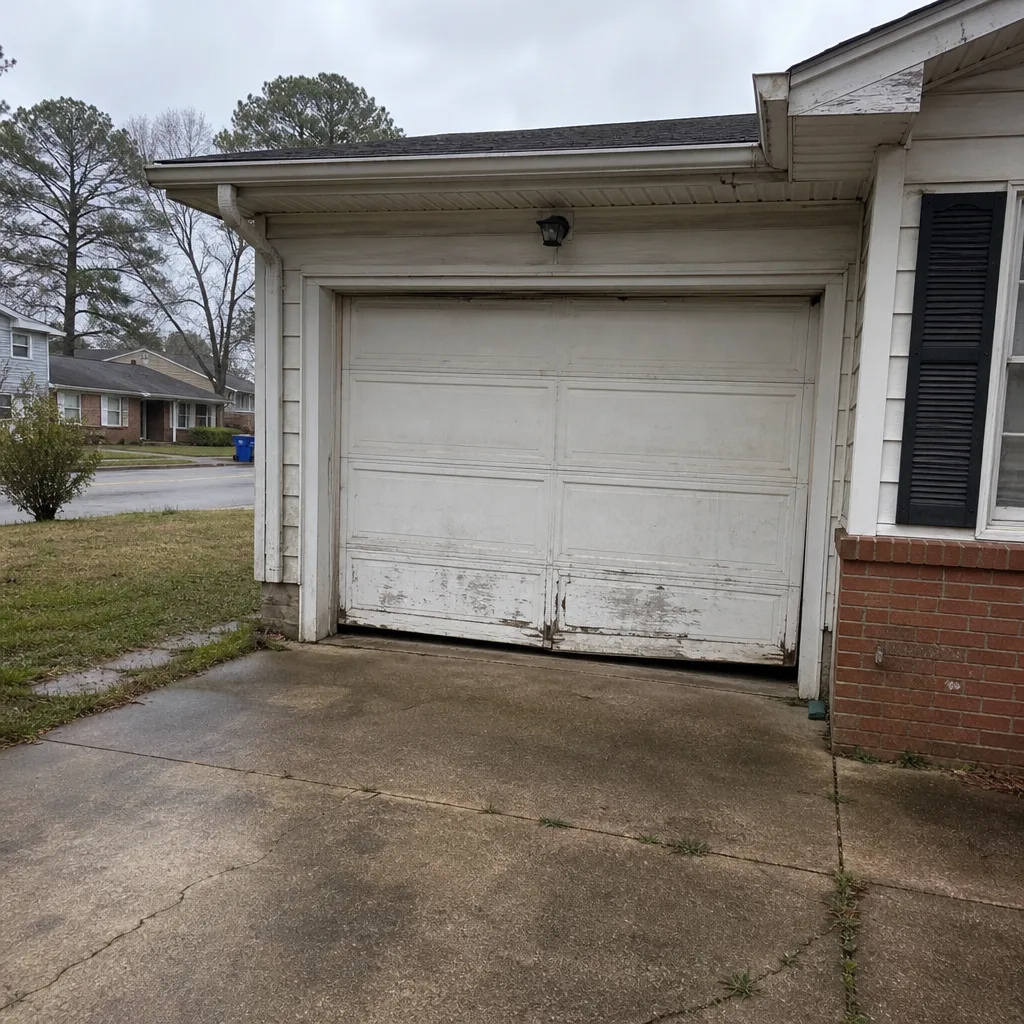 Before
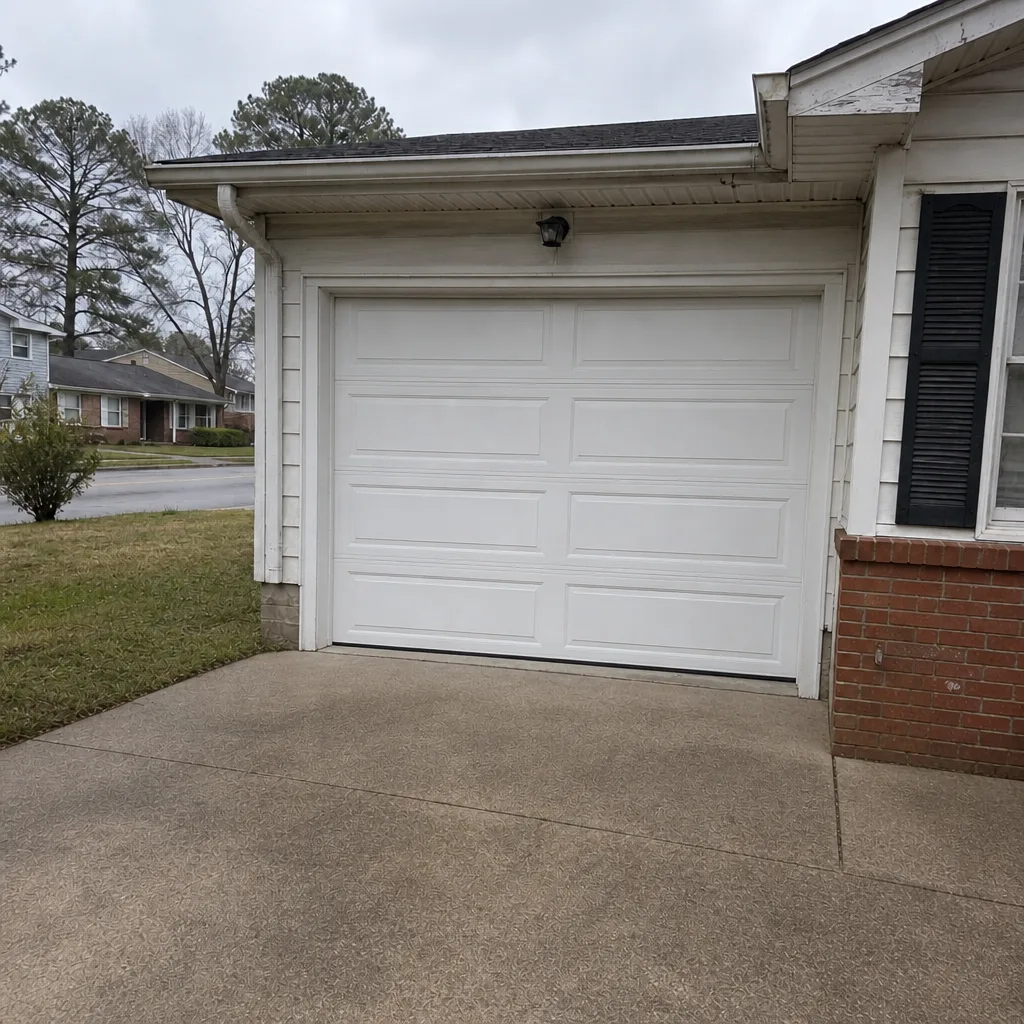 After
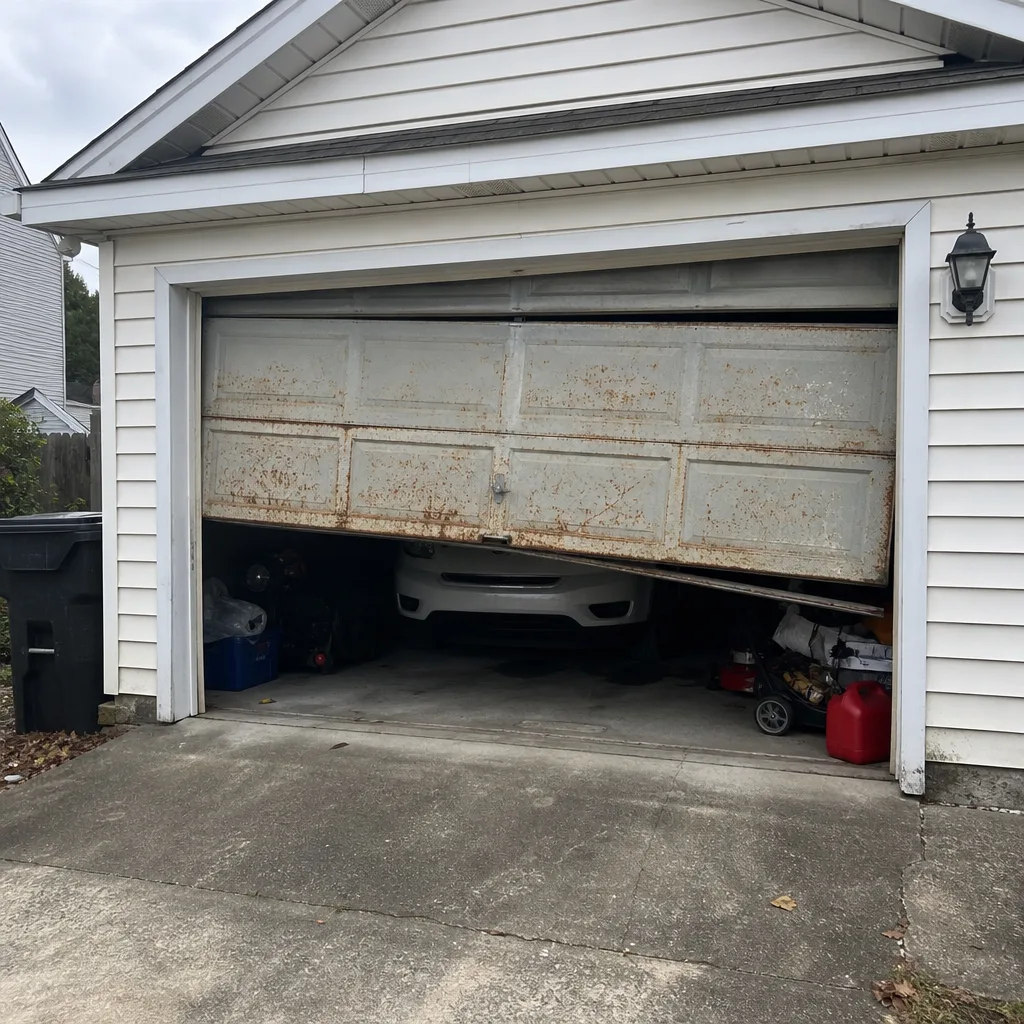 Before
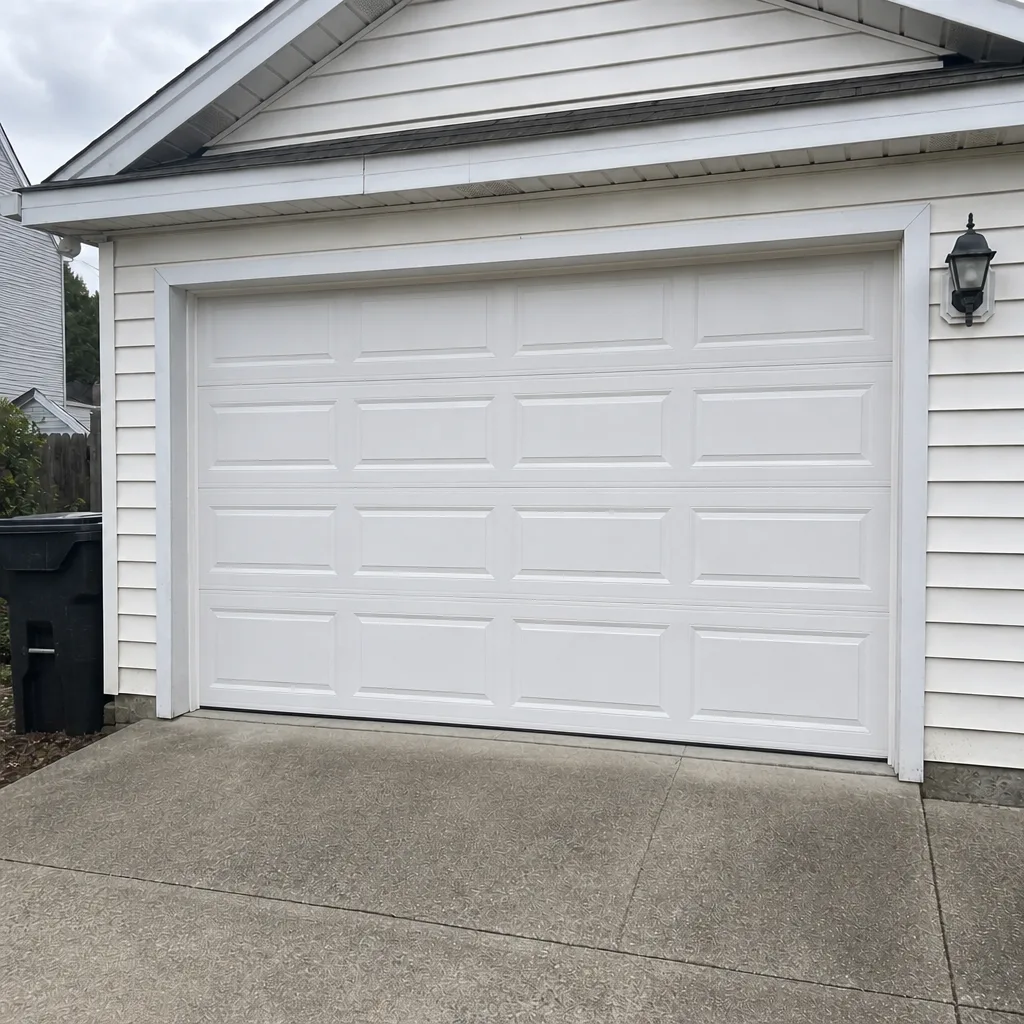 After
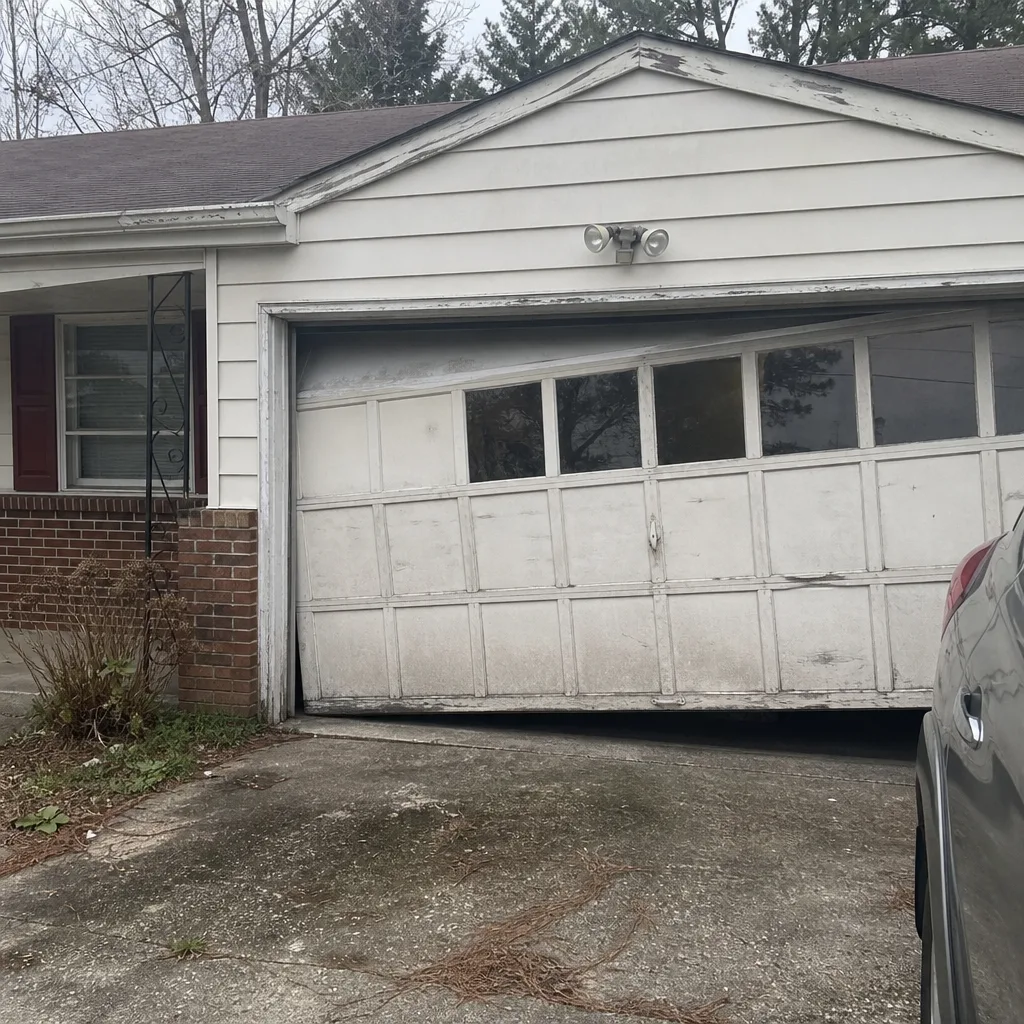 Before
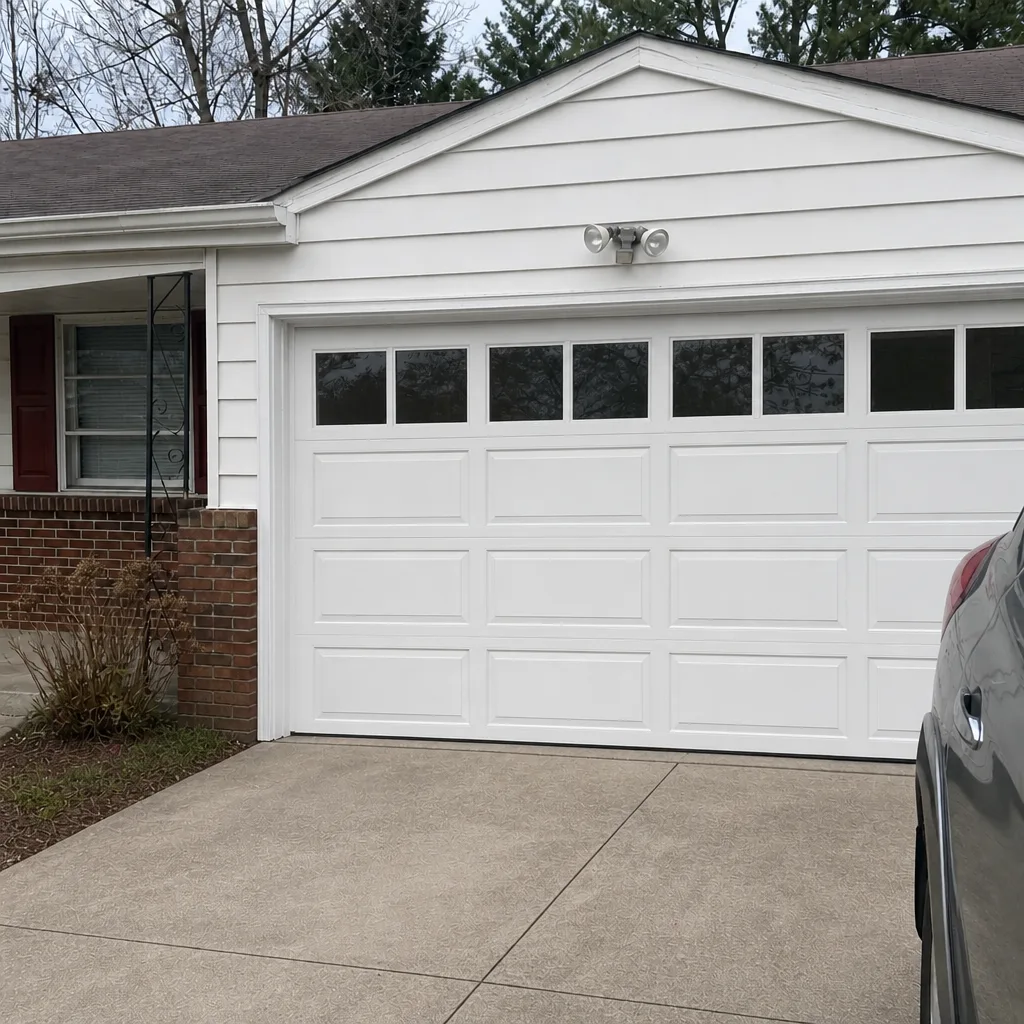 After
When to Call a Professional
Some work sits comfortably in DIY territory: cleaning hardware, programming a remote, replacing a weather seal. The rest of it belongs to trained technicians. Call a professional when the door is off its track, when a spring has snapped, when the opener’s drive or chain fails, when the door won’t move at all, or when you’re planning an installation or replacement that might involve structure or electrical work. The same goes for any job where the doorway between the garage and the house is damaged, since that separation has a code purpose. Stuck doors and structural damage are situations where speed matters, and our emergency garage door service is a real, active offering for exactly that. Portsmouth Garage Door Repair Pros offers free estimates in Portsmouth: call (855) 937-1767.
Frequently Asked Questions
Usually not, if it’s a same-size replacement in the existing opening with no structural or electrical changes. A permit is typically required when the opening changes, framing is altered, new electrical work is done for an opener, or a fire-rated door between the garage and house is replaced. Always confirm with the City of Portsmouth building department, because the answer depends on your specific scope.
The building department needs a clear description of the scope of the work: what’s being changed, what’s being installed, and whether structural or electrical work is involved. The specifics of what documents they require vary with the project, so the most reliable approach is to call them and describe the job. They will tell you exactly what to submit. It’s worth doing before the work begins.
It can, depending on the claim. If a failed door damages property or a compromised fire separation allows a fire to spread, the adjuster may ask whether the installation was code-compliant and permitted. That question is much easier to answer if the work was permitted and inspected. It’s worth checking whether existing work has a permit record before you need one.
You can retroactively permit the existing work. Start by contacting the City of Portsmouth building department, describe what’s installed and ask what they need to open a permit on the existing work. They’ll likely want an inspection. If it’s compliant, the permit is closed and you have a record. If corrections are needed, a licensed technician can make them.
It depends on the electrical scope. Repairing or replacing an opener on existing wiring typically does not need an electrical permit. Running new wiring, adding a circuit or installing a new outlet for the opener generally does, because it’s electrical work. Ask the city or a qualified electrician before you start. The answer almost always comes down to whether you’re changing the electrical setup.
Inspectors look at the structure and the safety systems. On the structural side, they check the opening dimensions, header and framing, anchoring and track alignment. On the electrical and safety side, they check the power source, safety reversing features, the photo-eye system, and the fire separation between the garage and living space. A contractor who’s been through inspections knows what to expect and will deliver it.
You can legally do work on your own home, but there are practical limits. Garage door springs and cables carry stored energy and can cause serious injury, and you would still be responsible for any permit or inspection requirement. For anything involving a spring, a structural change, or new electrical work, we recommend a trained technician. It’s not about ability; it’s about safety and compliance.
The Bottom Line
Garage door permitting in Portsmouth comes down to a simple question: did the job touch structure or electrical? A like-for-like replacement usually skips the permit. Anything that changes the opening, modifies framing, runs new wiring, or replaces the fire-rated door between the garage and the house generally goes through the city. Getting it right protects you at resale, in an insurance claim, and in your own home. If you’re planning an install or replacement and want a written estimate, call (855) 937-1767.
Written by the team at Portsmouth Garage Door Repair Pros.