Last updated November 22, 2026
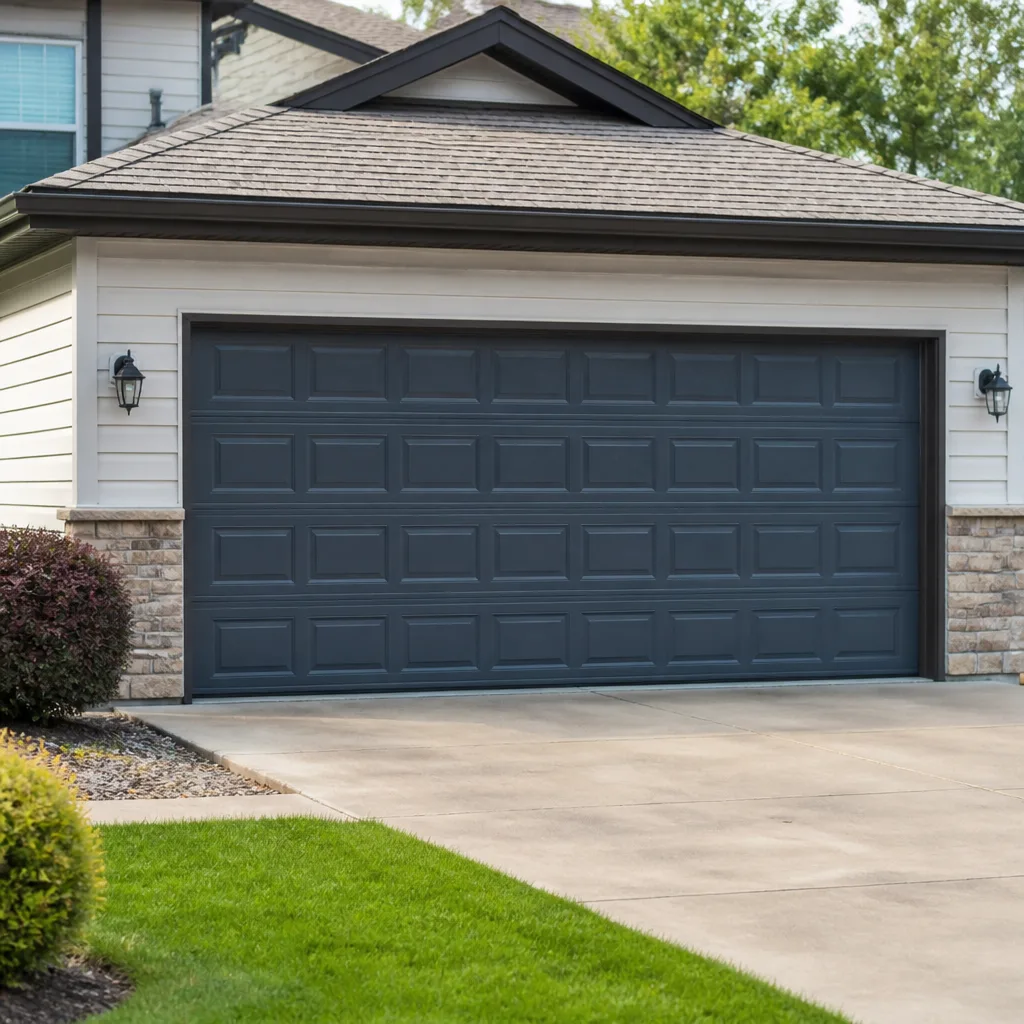 Raised-panel steel
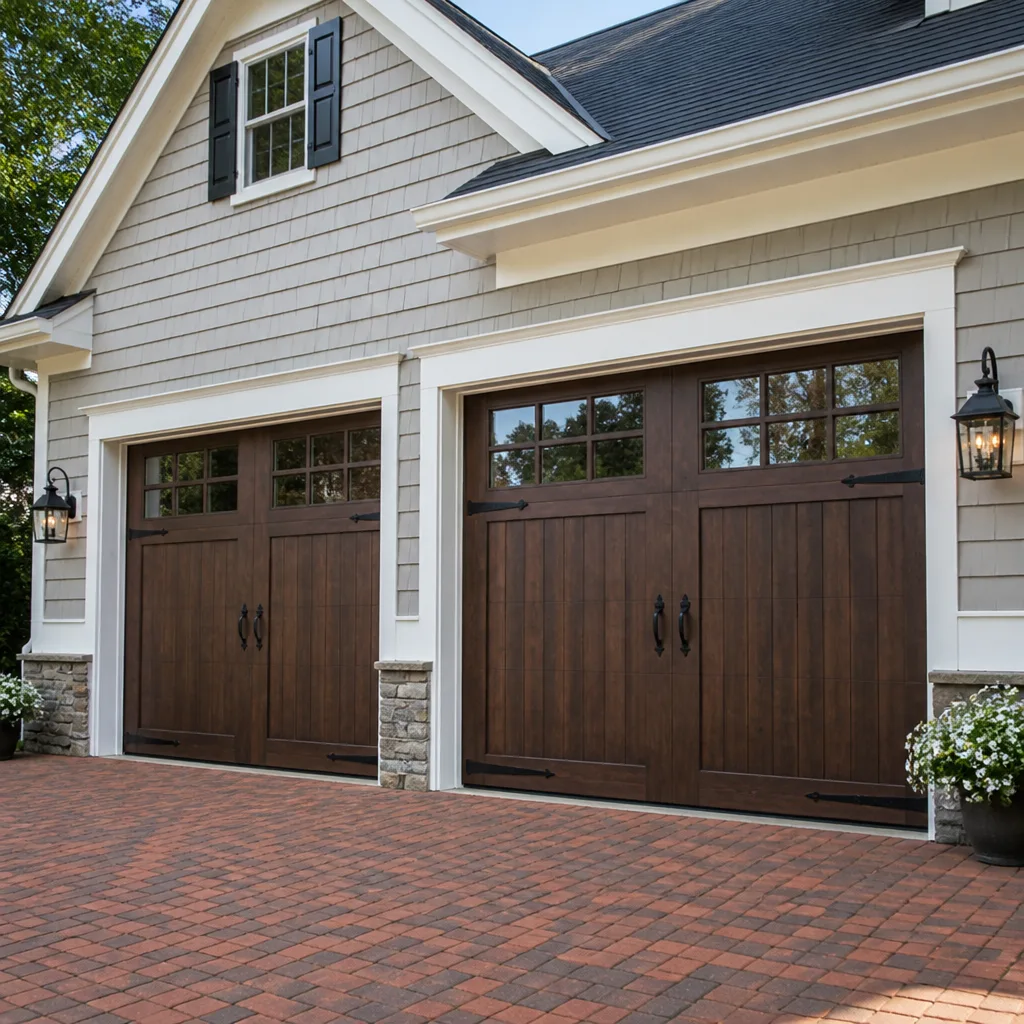 Carriage house
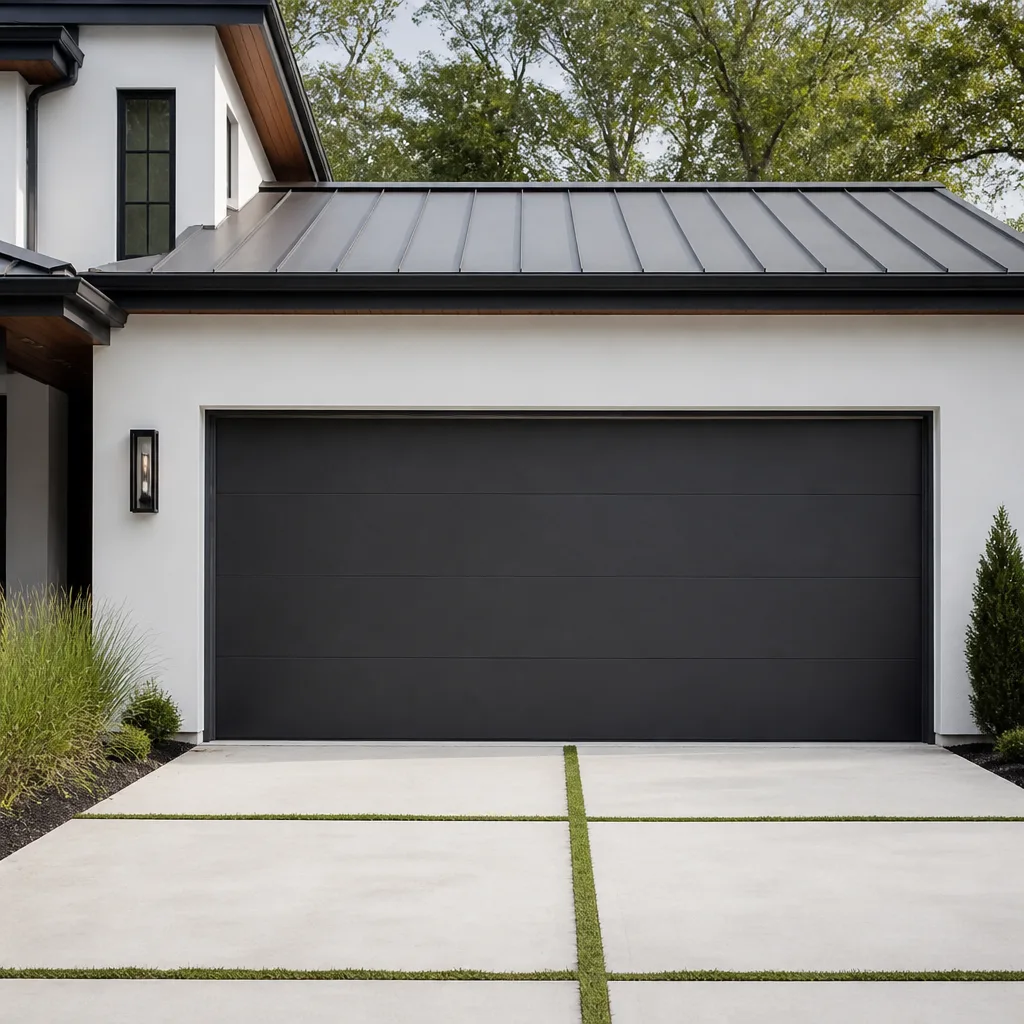 Modern flush
 Full-view glass
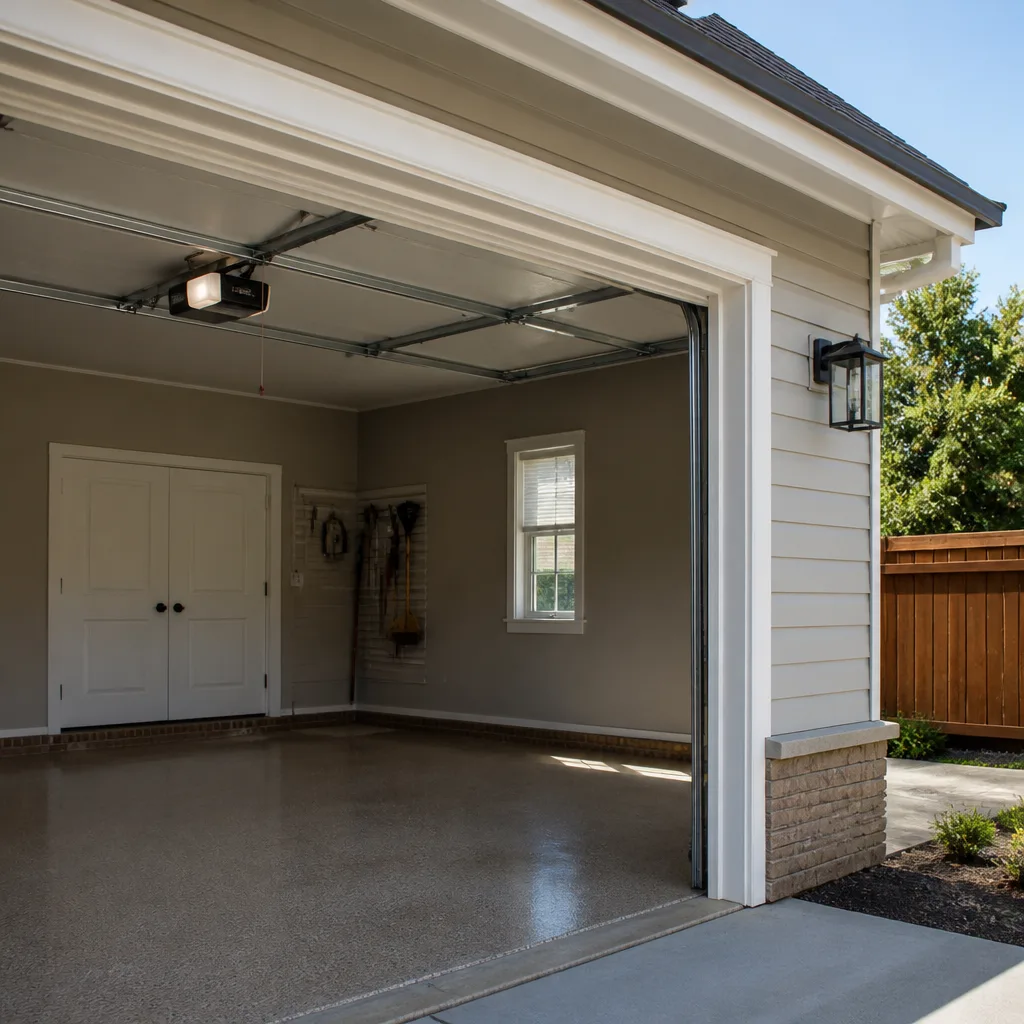 LiftMaster openers
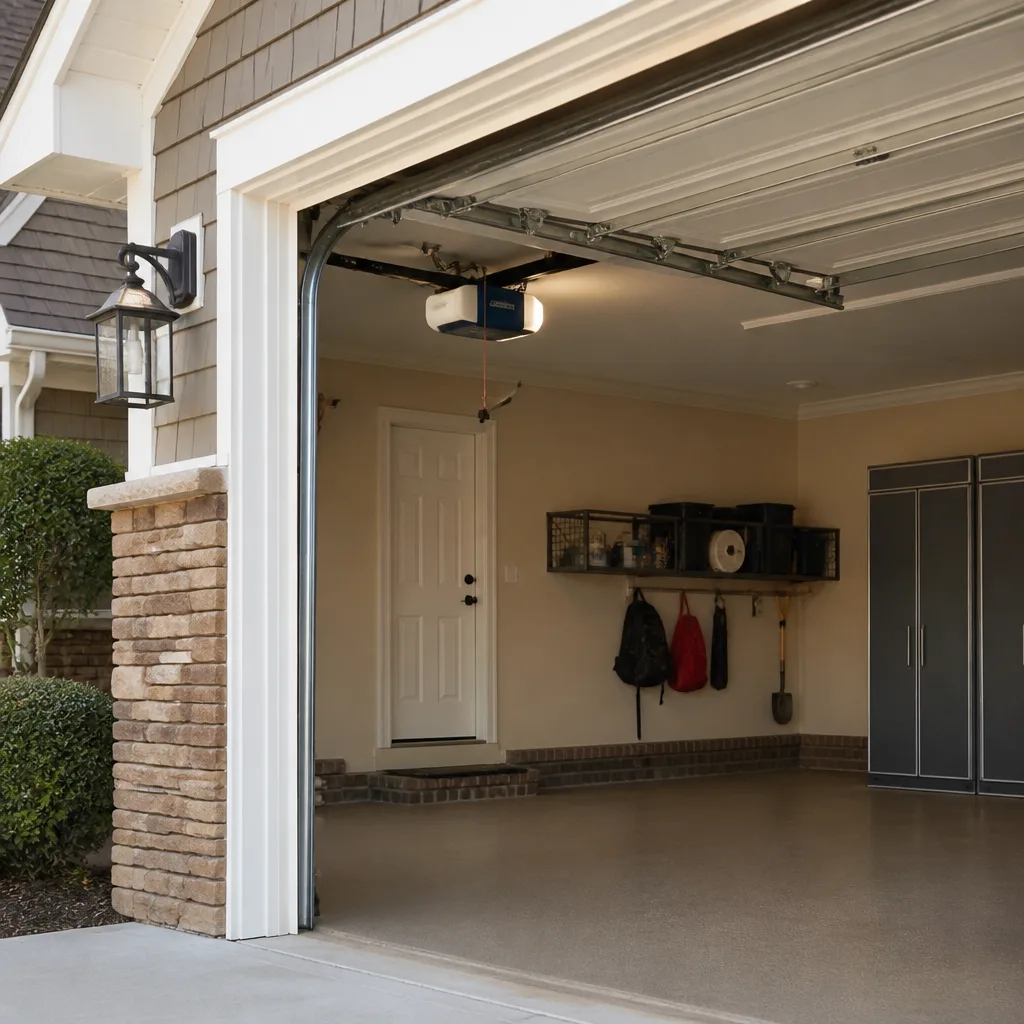 Chamberlain openers
Full 25-point door and opener safety check with every visit - springs, cables, rollers, tracks, and your LiftMaster or Chamberlain opener included
You get a price before we start. It does not change when the pro arrives.
Get your free estimateGarage Door Emergency Preparedness Guide for Portsmouth Homes
Most garage door advice tells you to test your opener once a month and call a pro when something snaps. That advice misses the two scenarios that actually put Portsmouth homeowners in danger: a door that won’t open when a hurricane evacuation order comes down and you need the car out of the garage, and a door that’s wide open when a tropical storm knocks the power out and the opener goes dead. Both situations are survivable with ten minutes of preparation done in advance. This guide covers the manual release (and the mistake that leaves it disconnected forever), the pre-storm door protocol that depends on your specific door construction, safe steps when a spring lets go, and the post-storm inspection sequence we’d run ourselves. The goal is simple: find out what your door does before the storm, not during it.
Quick Answer
Garage door emergency preparedness in Portsmouth comes down to three things: knowing how to operate your door’s manual release and testing it at least once a year, keeping a small emergency kit ready with your door’s brand, model and spring type noted down, and following a specific pre-storm protocol that depends on whether your door is torsion or extension spring. If you prepare those three things now, you’ll have a workable plan when a storm tests your door – instead of discovering a seized release cable in the middle of a power outage. If you’re already facing a door that won’t move, call Portsmouth Garage Door Repair Pros at (855) 937-1767 for emergency service.
Styles & brands we work with
- Raised-panel steel
- Carriage house
- Modern flush
- Full-view glass
- LiftMaster openers
- Chamberlain openers
Table of Contents
- How Does the Manual Release Work – and How Do You Test It?
- What Should You Do to Your Garage Door Before a Hurricane or Tropical Storm?
- What to Do When a Spring Snaps and the Door Won’t Open
- What Information Should You Have Ready for an Emergency Call?
- What’s the Post-Storm Inspection Sequence Before You Resume Normal Use?
- How Do You Get a Car Out When the Power Is Out and the Door Won’t Open?
- What Happens When the Opener Loses Power – and What Can You Do About It?
How Does the Manual Release Work – and How Do You Test It?
The manual release is the single most important piece of safety equipment on your garage door, and it’s the one most Portsmouth homeowners have never touched. Here’s the short version: a pull cord with a handle, usually red, hangs from the opener’s trolley near the door. Pulling it disconnects the door from the opener so you can lift it by hand. That’s the theory. The reality is that a release you test every year works when you need it; a release you haven’t touched in five years may not.
The reason is mechanical. The release mechanism on an opener carries a steel cable, a sliding latch, and a trolley – all of which can seize up from age, dust, or exposure to humid air. The handle pulls freely in your hand, but the disconnect never actually disengages. You don’t find that out until the power is out, the evacuation order has been issued, and you’re tugging at a cord that does nothing.
How to Test Your Manual Release
- Stand inside the garage with the door fully closed. Make sure no one is standing near the door and nothing else is in the door’s path.
- Pull the red release handle firmly and watch the trolley. The sliding latch should move freely and the door should detach from the opener drive.
- Lift the door about a foot by hand. It should feel heavy but balanced – the springs should hold most of the weight.
- Lower it back down gently, then re-engage the trolley by pulling the release handle back until the latch clicks into the opener drive, or by running the opener once.
- Run the opener through a full open-and-close cycle to confirm normal operation has resumed.
Here’s the mistake that trips up a lot of people: they pull the release when the door is open, then walk away and run the opener. The opener cycles but the door never moves because the trolley is still disconnected. The opener runs, the motor turns, nothing happens – and the homeowner assumes the opener is broken. It isn’t; it’s just disconnected. Pull the release handle back toward the operator, or run the opener and give the trolley a nudge, and the door re-engages. If it won’t re-engage, that’s a real issue – and something for a technician to look at.
Test the release at least once a year. Test it before every hurricane season starts. Two minutes of testing now beats a real emergency later. If it feels sticky, seized, or won’t latch back in place, call Portsmouth Garage Door Repair Pros for garage door repair before the storm arrives.
What Should You Do to Your Garage Door Before a Hurricane or Tropical Storm?
The answer depends on your door’s construction, and this is where generic pre-storm advice falls apart. There’s no single “lock it down” or “leave it operational” rule that fits every Portsmouth home. What you do to your garage door before a named storm depends on whether your door is a standard sectional door, how its springs are mounted, and whether you’ll need to get a vehicle out.
If Your Door Needs to Stay Operational (Evacuation Likely)
If the forecast makes it likely you’ll leave, keep the door in working order. That means:
- Test the manual release and leave the handle accessible.
- Clear the tracks of any loose debris so the door cycles cleanly if you need it.
- Unplug sensitive electronics in the garage (openers with Wi-Fi modules, battery backup systems) if you’re worried about surge – but leave the opener itself plugged in until you leave.
- Check that the safety reverse still works after clearing the track – a door that won’t reverse is a hazard, not a convenience.
- Park the car facing out of the garage so it’s ready to go.
If the Door Can Stay Put (Sheltering in Place)
If you’re staying, the priority shifts to keeping the door closed and secure:
- Close the door fully and confirm it seats against the floor seal (a gap lets wind-driven rain in).
- Engage the opener’s lock feature if it has one, or use the sliding manual lock bar on the door’s inside if the door is equipped with one.
- North of the garage, if you have a door between the garage and the house, close and lock it. Garage doors are not rated as storm barriers; interior doors are what protect the home itself.
What you don’t want to do is prop the door open or partially raised during a tropical storm. High winds can catch a partially raised door like a sail, which bends panels, breaks rollers, and can tear the door off its tracks. If you need airflow before the storm arrives, open it and close it before the rain band hits – don’t leave it cracked. For garage door spring repair in Portsmouth, timing matters too: replace a tired spring before hurricane season, not in the middle of a warning.
What to Do When a Spring Snaps and the Door Won’t Open
A snapped spring is the most common garage door emergency we hear about, and the safest response is almost always “don’t touch the door.” What to do when a spring lets go is not a repair project; it’s a containment project. The door’s springs are under extreme tension, and a garage door that has lost a spring can slam closed with enough force to cause serious injury. Torsion springs – mounted on a shaft above the door – store enough energy to whip a heavy steel bar across a garage in a fraction of a second. That’s not a job for a homeowner, and it’s not something to test.
Safe Interim Steps After a Spring Snap
- Keep the door closed if it’s already closed. Don’t try to lift it.
- Keep people, pets and vehicles clear of the door’s path. If the door is stuck open, block access to the doorway from the inside and outside with furniture or tape so no one walks under it.
- If a vehicle is trapped inside and you must get it out, call for emergency service rather than forcing the door. Forcing a door with a snapped spring can cause the remaining good spring to fail under load, and can bend tracks beyond repair.
- If the door is stuck open in a way that exposes the house to weather, and a storm is imminent, call for emergency service now – a wide open door during a tropical storm lets in more than rain.
- Take a photo of the door, the broken spring (if visible), and the opener model while you wait. That photo will help a technician prepare the right replacement parts.
The one thing you can do yourself: note whether the spring is torsion (horizontal shaft above the door) or extension (long springs running parallel to the track on each side). It changes the parts and the approach, and the technician will ask. Do not adjust, unwind, or attempt to remove the spring yourself – that’s the highest-risk part of the trade, and it’s not a home repair.
When a spring snaps in Portsmouth, call Portsmouth Garage Door Repair Pros for garage door spring repair. Spring repair is a dedicated service, not an afterthought, and our technicians have up to 15 years of experience with the hazards involved.
What Information Should You Have Ready for an Emergency Call?
The fastest way to lose time in a garage door emergency is a diagnosis trip. If a technician has to arrive, look at the door, leave to collect parts, and come back, a two-hour job turns into a four-hour job. You can cut that in half by having the right information ready before you call. On a spring job, the difference between a same-day fix and a next-day fix is often whether the technician knows what to load. Here’s what to keep in a note on your phone or on a sheet taped inside the garage.
Information to Have Ready
- Door brand and model. If yours is one of the common systems – Wayne Dalton, Clopay, Amarr, Craftsman, Raynor, LiftMaster – say so, and give the model number from the inside of the door panel if you can find it.
- Opener brand and model. The label on the back of the opener motor is the place to look. If your opener is a LiftMaster or a Genie, that tells us the control electronics and accessories.
- Spring type. Torsion or extension. If you don’t know, the technician will ask whether the spring is above the door on a shaft, or running along the side tracks.
- Door size. A standard single-car door and a standard double-car door take different spring sizes. Measure the width and height if you can.
- What happened. “Spring snapped last night while closing,” “door won’t open and the opener just hums,” “door is stuck half-open after the storm” – specific beats vague.
- Vehicle access. Whether a car is trapped inside matters for urgency.
Have the note ready, but don’t overthink it. If you can’t find a model number, tell us the brand and the door’s approximate vintage. We’re familiar with the systems most Portsmouth homes have installed, from LiftMaster openers to Wayne Dalton doors to legacy Raynor and Craftsman systems, and we can often work out the parts from a photo. The point is to skip the trip back and forth.
What’s the Post-Storm Inspection Sequence Before You Resume Normal Use?
Don’t run the opener the moment a storm passes. A door that survived structurally can still be unsafe to operate because something shifted, loosened or bent in the wind or the water. Run through this sequence first, in order, before you press the remote. It takes less than ten minutes and catches most storm damage before it turns into a bigger repair.
Step 1: Visual Check From the Ground
Look at the door without touching it. Bent or bowed panels, panels out of alignment with the others, or a door that’s sitting crooked in the opening are all reasons to stop and call someone. If the door looks structurally intact, move to the next step.
Step 2: Tracks
Check the vertical and horizontal tracks for bends, gaps, or anything that’s pulled loose from the framing. Tracks bent by wind-driven debris or by the door riding up on something during the storm will scar rollers and can cause the door to drop without warning. If a track looks bent, don’t force the door past that section.
Step 3: Cables
Cables under tension on both sides of the door should be straight, evenly wound and free of fraying. Loose cables, frayed strands or a cable that’s off its drum are a call-a-professional situation, not a DIY fix. Cables can snap with stored energy just like springs.
Step 4: Bottom Seal and Weatherstripping
Check that the bottom seal hasn’t torn, curled, or come loose. A gap means wind-driven rain comes in – and after a tropical storm, standing water in a garage does more damage than the door itself. If the seal is damaged, it’s a straightforward repair.
Step 5: Opener and Safety Reverse
With the door in working order and someone watching, run the opener through one full cycle. Test the safety reverse by placing a roll of paper towels in the door’s path on the closing cycle – the door should reverse on contact. If it doesn’t, the opener needs attention before you use the door again.
If anything in this sequence raises a flag, call garage door repair rather than running the door and hoping. For garage door opener repair, the same logic applies: test the reverse before normal use, not after a near miss. Portsmouth Garage Door Repair Pros offers emergency service for doors that are compromised after a storm, and we can walk you through this sequence on the phone if you’re not sure what you’re looking at.
How Do You Get a Car Out When the Power Is Out and the Door Won’t Open?
This is the scenario the whole prep matters for: an evacuation order, the power is out, the opener won’t run, and a car is stuck inside. The door being closed isn’t actually a problem in itself – most garage doors can be lifted by hand once the manual release is engaged. The problem is when the release won’t engage or the door won’t lift, and that’s precisely the failure you can test for in advance.
The Order of Operations
- Pull the red manual release handle. If your release was tested in the last year, it should click the trolley free.
- Disengage the opener, then lift the door by hand from the bottom panel – a firm, steady pull, not a yank. The springs should carry most of the weight. A correctly balanced door can be lifted with one hand.
- Push the door up until the horizontal tracks are cleared, then gently let it come down on its own – a balanced door will lower slowly. Don’t let it slam.
- Move the car out, then close the door behind you.
- If the door won’t lift or the release won’t engage, don’t force it. Call for emergency service and tell the technician there’s a vehicle inside and an evacuation order.
The prep work that prevents this: test the release, check the door balance (it should lift easily by hand), and if anything feels wrong, get it fixed before storm season. Most of the “stuck in the garage during evacuation” calls we get trace back to something that was obvious in a five-minute test months earlier. If your release is seized or the door won’t balance, call Portsmouth Garage Door Repair Pros – we offer emergency service for exactly this kind of situation.
What Happens When the Opener Loses Power – and What Can You Do About It?
When the opener loses power, the door doesn’t lock – it just sits where it is, and the manual release exists precisely for that situation. If your door is a Wayne Dalton, a LiftMaster or any opener brand, the release works the same way: disconnect the trolley, lift the door by hand, and get what you need. What people often don’t think about is whether they’ve tested that release recently enough to trust it.
What Actually Matters
- Battery backup: some openers come with a battery backup system that lets the door run a limited number of cycles during an outage. If yours has one, check the battery at the start of each storm season – a dead backup battery is no backup at all.
- The release handle: make sure it’s reachable, not buried behind stored boxes. If you can’t reach it in the dark, you can’t use it.
- The balance check: if the door is hard to lift by hand even with the springs, the springs are worn and the door is going to be a struggle during a real outage. That’s a call-now item, not a prepare-now item.
- Security during outages: a door disconnected from the opener is not locked. If you’re leaving the house, close and lock the door, or secure the interior door, since a released door can be pushed up from outside.
We see a lot of confusion around opener power. The opener motor isn’t the piece that fails during a storm; the power is. And the answer isn’t “buy a bigger opener” – it’s “know how your manual release works and test it.” For openers that need repair or replacement, we handle garage door opener repair on the brands most Portsmouth homes have installed.
Common Mistakes to Avoid
- Pulling the manual release and then assuming the opener is broken. When the door won’t respond after a manual release, the trolley is disconnected, not the motor. Re-engage the release handle before you call for repairs.
- Testing the release only when the power is out. A release that’s not been touched in years can seize, and you discover it in the middle of an outage. Test it annually – ideally before hurricane season.
- Forcing a door with a snapped spring. A door with one broken spring of a pair can fall if lifted, and forcing it bends tracks. Keep everyone clear and call for spring repair rather than trying to lift it.
- Leaving the door cracked open during a tropical storm. A partially raised door catches wind, and the load tears panels, bends tracks and can pull the door off. Close it fully before the storm.
- Skipping the post-storm inspection. Running the opener without checking tracks, cables and the bottom seal lets a small storm issue turn into a bigger repair. Do the five-step check first.
- Not noting the brand and model before an emergency call. Have the door brand, opener brand and spring type ready so a technician can load the right parts and skip a diagnosis trip.
- Assuming storm season means you can’t get repairs done. Spring and opener repairs can be scheduled outside a warning window, and doing them then is cheaper than doing them mid-storm.
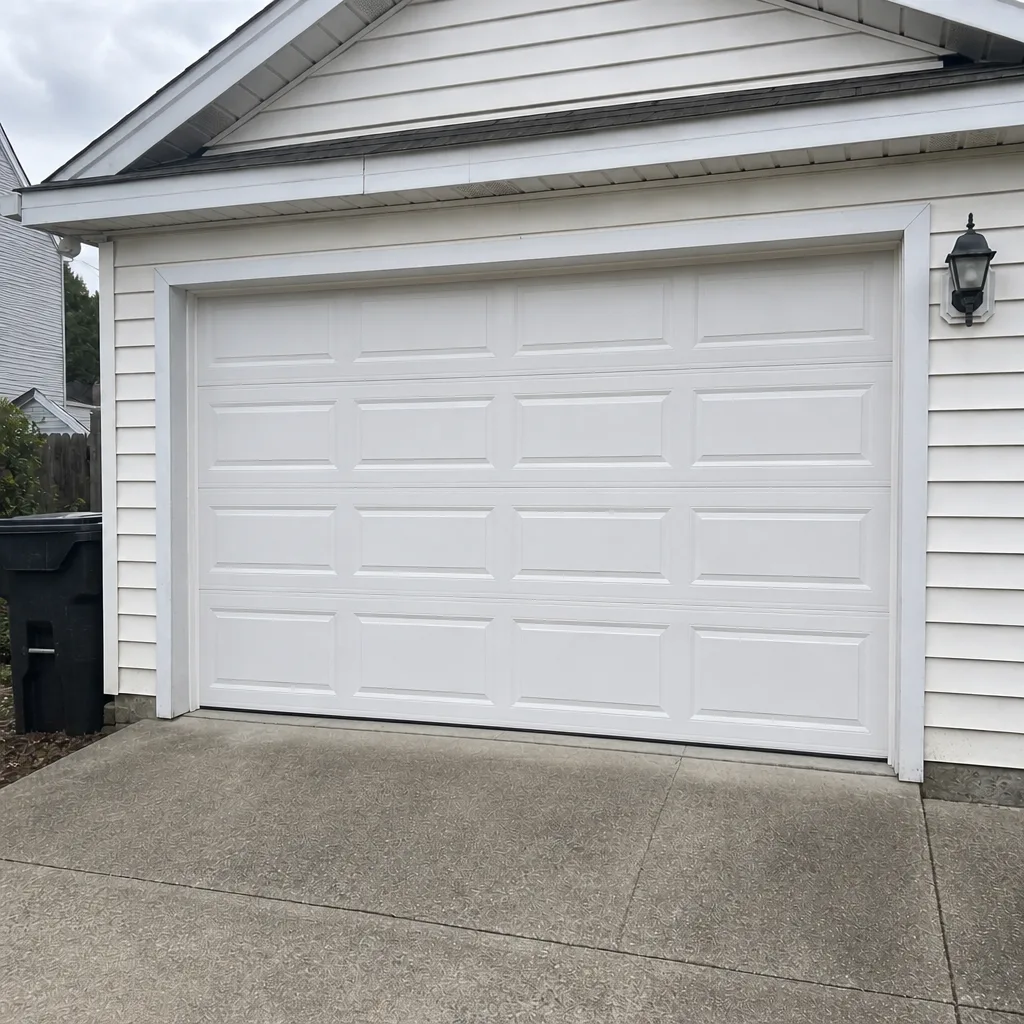
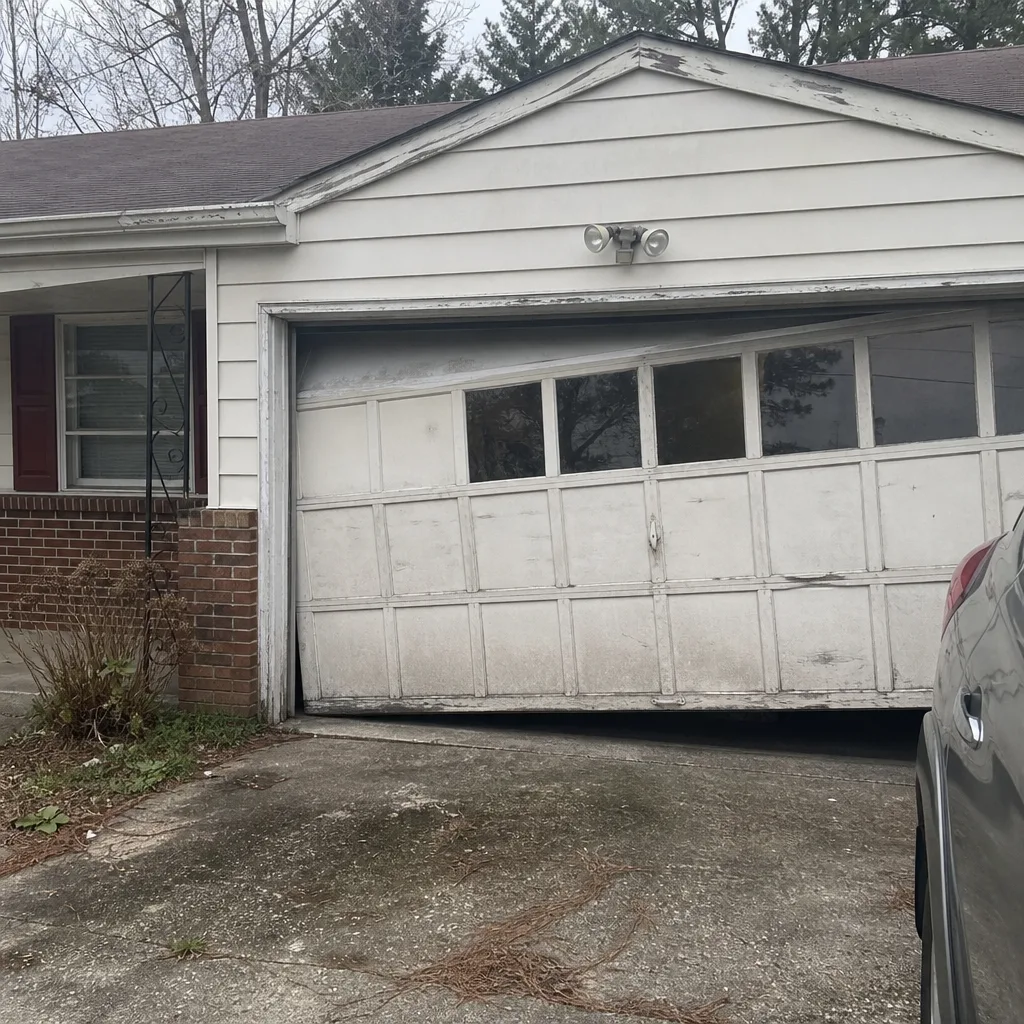
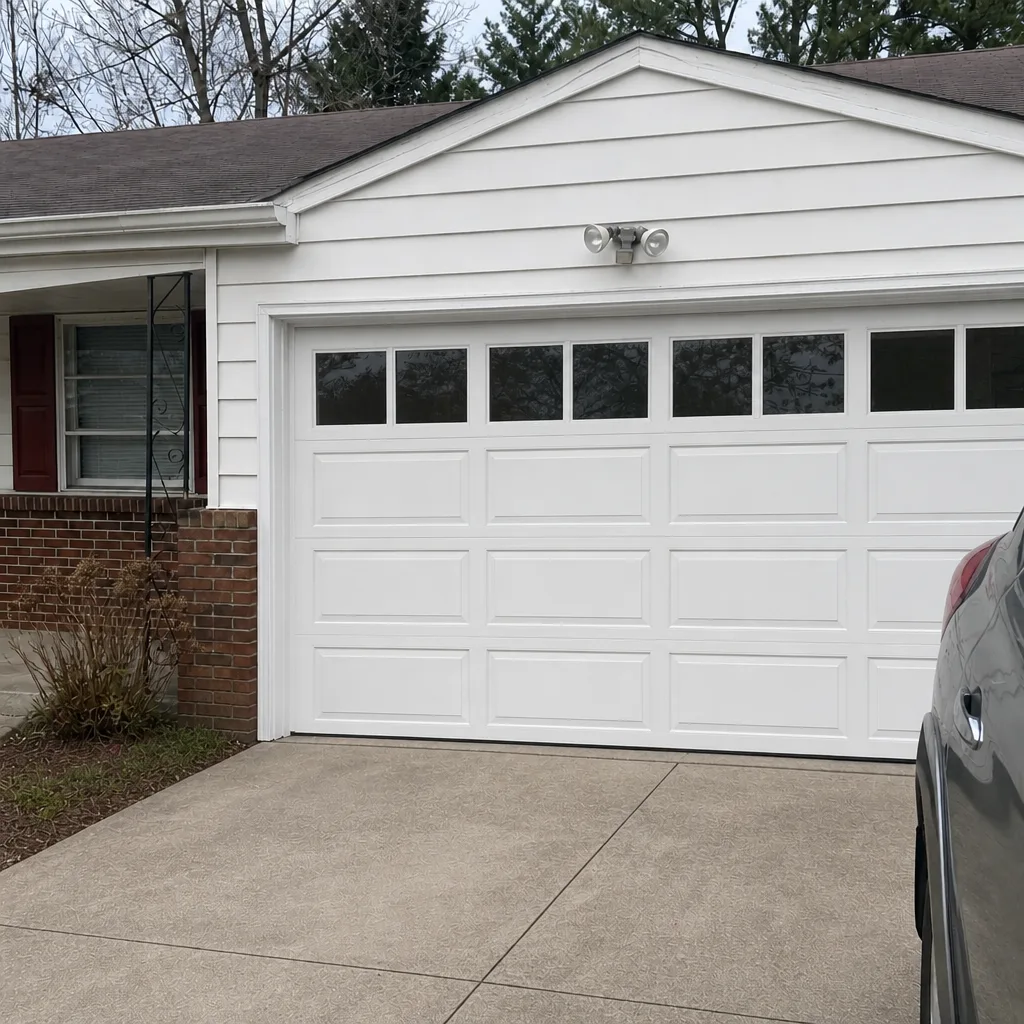
See the difference
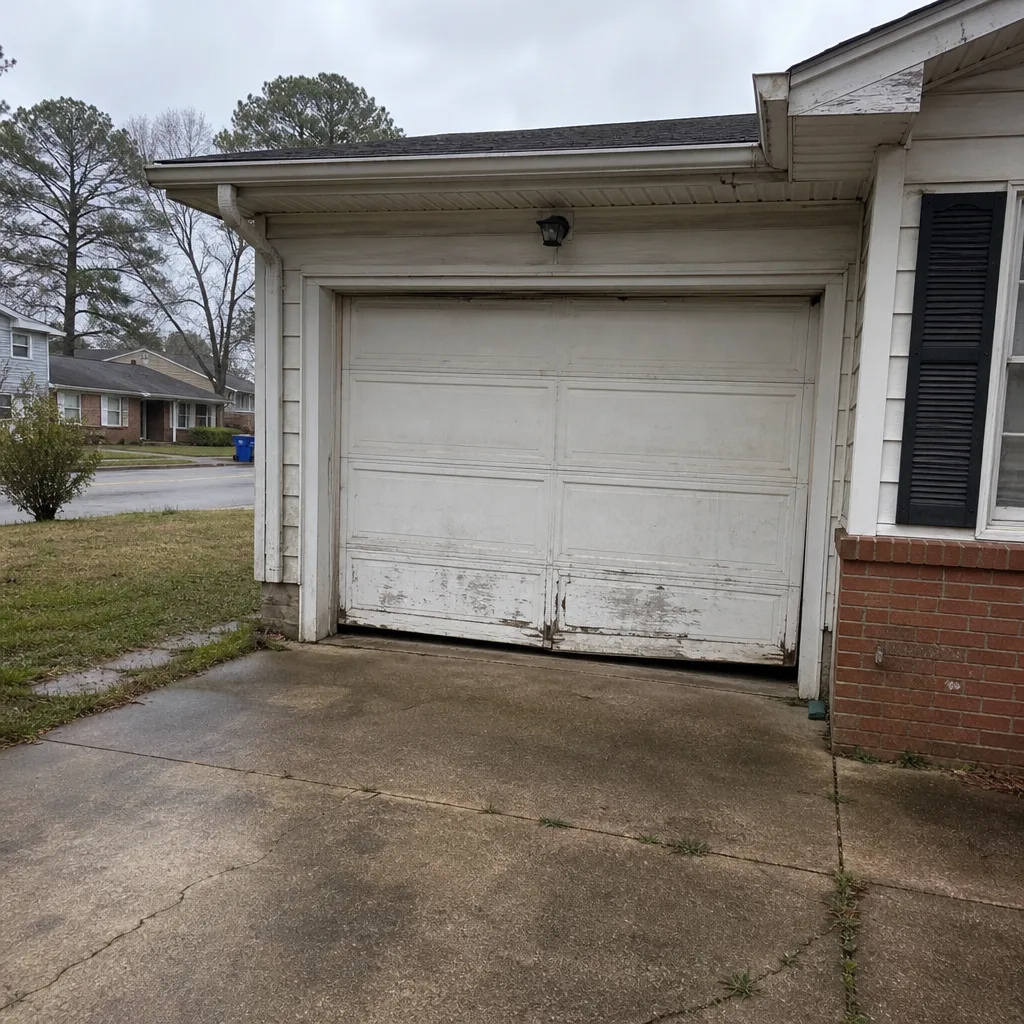 Before
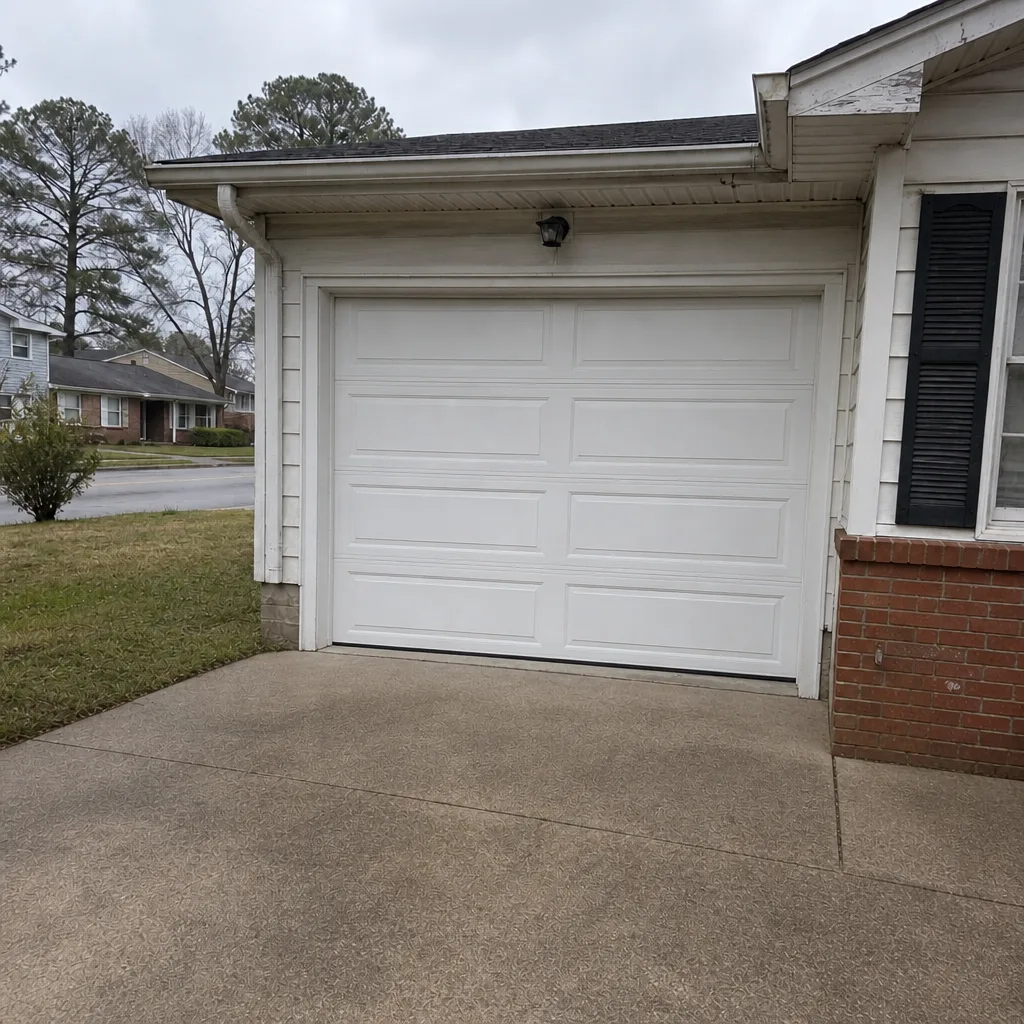 After
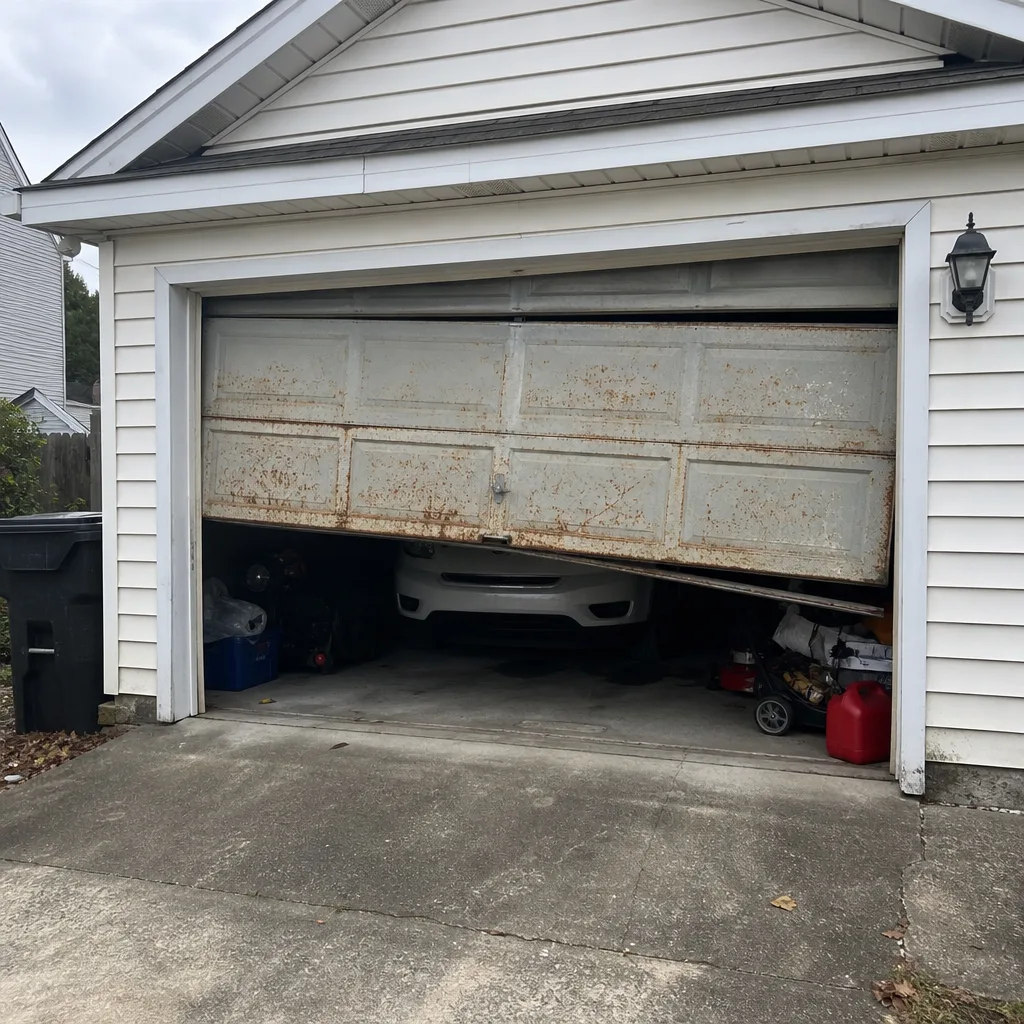 Before
 After
 Before
 After
When to Call a Professional
Some garage door problems clear up on their own – a power outage that resolves, or a remote that needed a new battery. Others don’t. Call for help when the door won’t lift by hand after the release is engaged, when a spring is broken or visibly stretched, when cables are loose or frayed, when the door looks crooked or is stuck half-open, when the opener runs but the door doesn’t move, or when a storm has left you unsure whether the door is safe to run. These are the cases where the risk of DIY repair (a dropped door, a snapped cable, a bent track) outweighs the cost of a service call. Portsmouth Garage Door Repair Pros offers free estimates in Portsmouth – call (855) 937-1767. We work on the door you have, whatever brand or age, and the price is quoted and agreed before any work starts.
Frequently Asked Questions
Yes, as long as your manual release works and the door is balanced. Pull the red release handle to disconnect the opener trolley, then lift the door from the bottom panel. If it’s hard to lift or the release won’t engage, don’t force it – call (855) 937-1767 for emergency service.
Keep the door closed if it’s closed, keep people and vehicles clear, and call for spring repair. Don’t try to lift or adjust the door yourself – a door that’s lost one spring of a pair can drop without warning. Spring repair is the most hazardous common garage door repair, and it needs a trained technician. Call (855) 937-1767 for a free estimate on spring repair.
Torsion springs sit on a horizontal shaft above the door, running across its width. Extension springs run alongside the vertical tracks on each side. Torsion springs are more common on newer doors; extension springs are still found on many older Portsmouth homes. Knowing which you have helps a technician arrive with the right parts.
Standard residential garage doors are not rated as storm barriers, so the door itself shouldn’t be counted on to protect your home. Close and lock the door fully before the storm and rely on the interior door between the garage and the house. If you need the door to stay operational for evacuation, test the manual release before storm season.
Most often the manual release is still disengaged and the trolley hasn’t re-engaged. Pull the release handle back toward the operator or run the opener and give the trolley a nudge. If the door still won’t move, or you hear a grinding or humming from the opener with no movement, that’s a repair item – call (855) 937-1767 for a diagnosis.
Yes – emergency service is a core offering, not an add-on. If a door is stuck open and exposing the house, or stuck closed with a vehicle trapped inside, call (855) 937-1767 and describe what happened. We can also walk you through the post-storm inspection sequence over the phone to help you decide whether the door is safe to run.
The Bottom Line
The most dangerous garage door emergencies in Portsmouth are the ones you can predict: a door that won’t open during an evacuation, or a door left wide open when a storm knocks out the power. You can defend against both with a few minutes of annual prep – test the manual release, check the door’s balance, note your door and opener brands, and know whether you have torsion or extension springs. Test before the season; don’t discover in the storm. And when a spring snaps or a door gets stuck, don’t force it. Call Portsmouth Garage Door Repair Pros at (855) 937-1767 for a free estimate. Whether it’s a garage door repair or an emergency call, call (855) 937-1767 – the price is quoted and agreed before any work starts.
Written by the team at Portsmouth Garage Door Repair Pros.