Last updated November 22, 2026
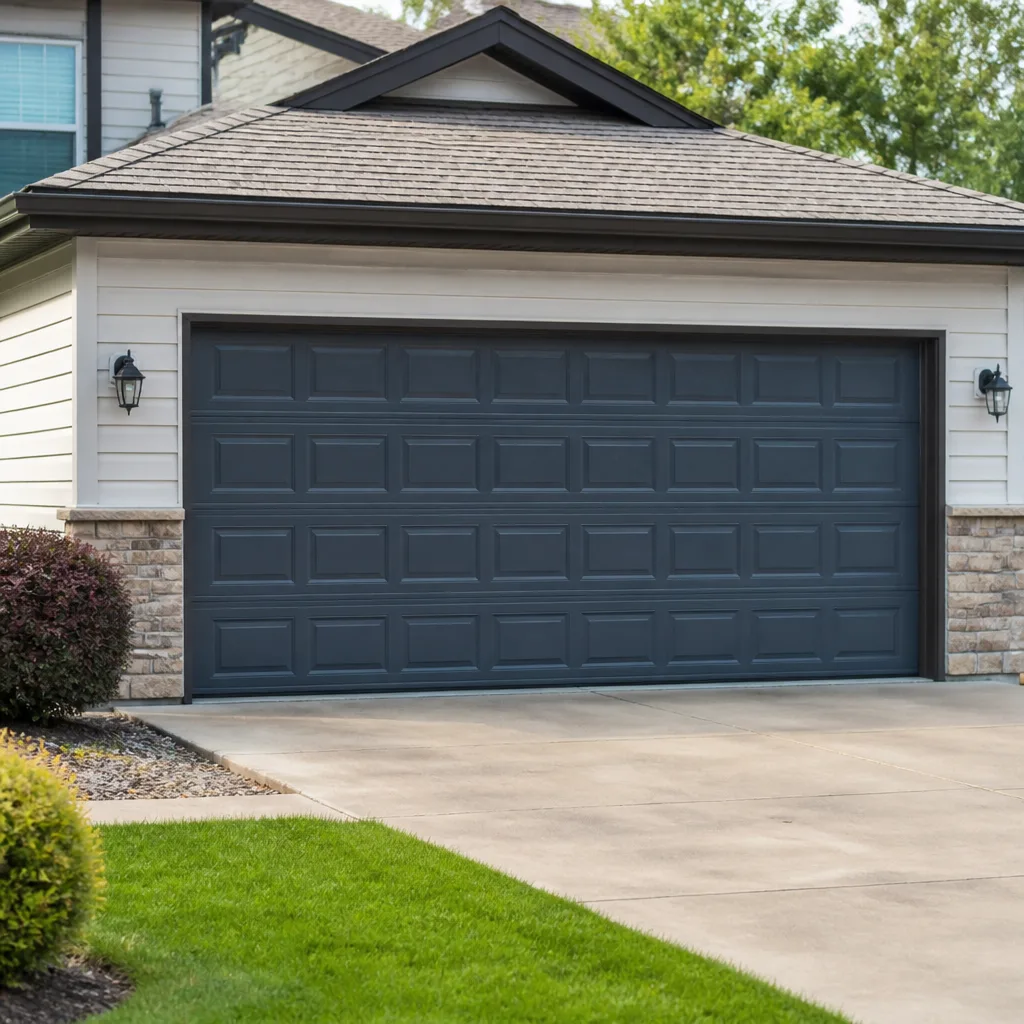 Raised-panel steel
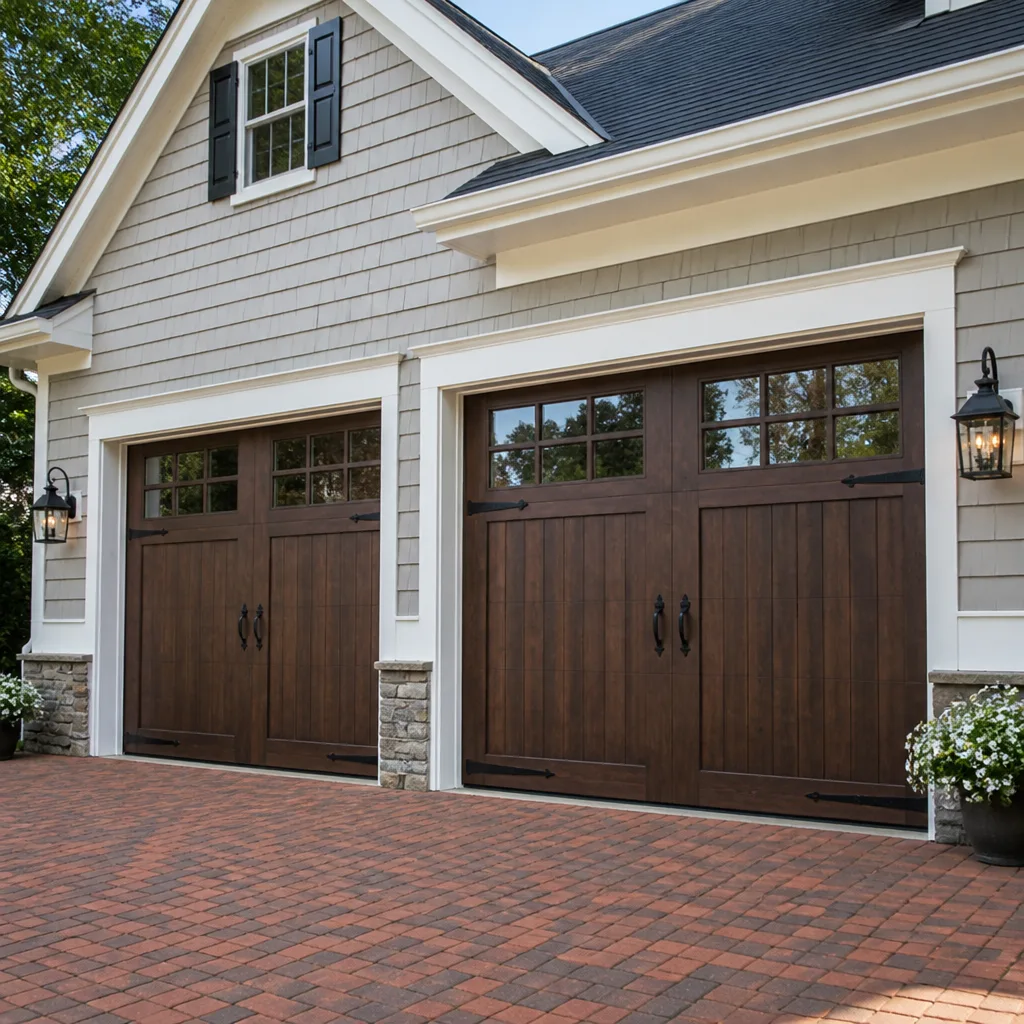 Carriage house
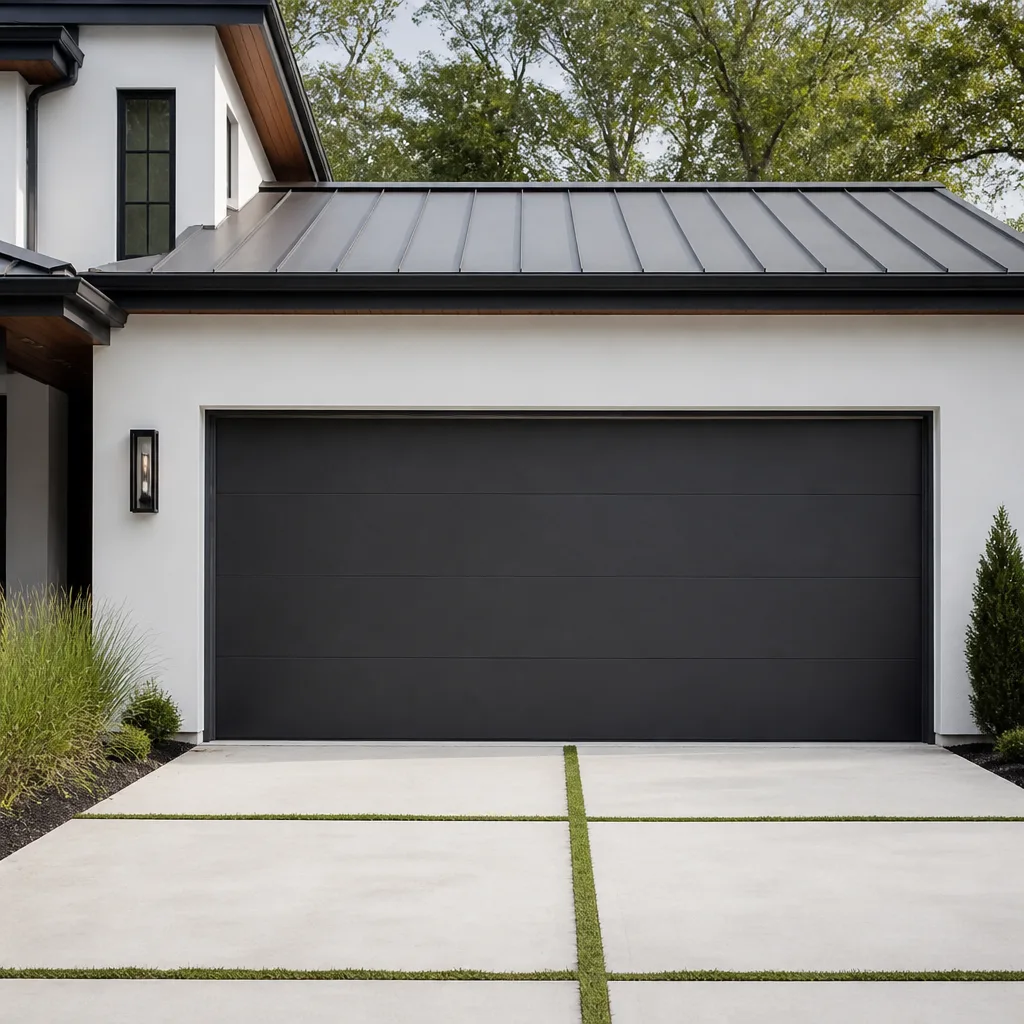 Modern flush
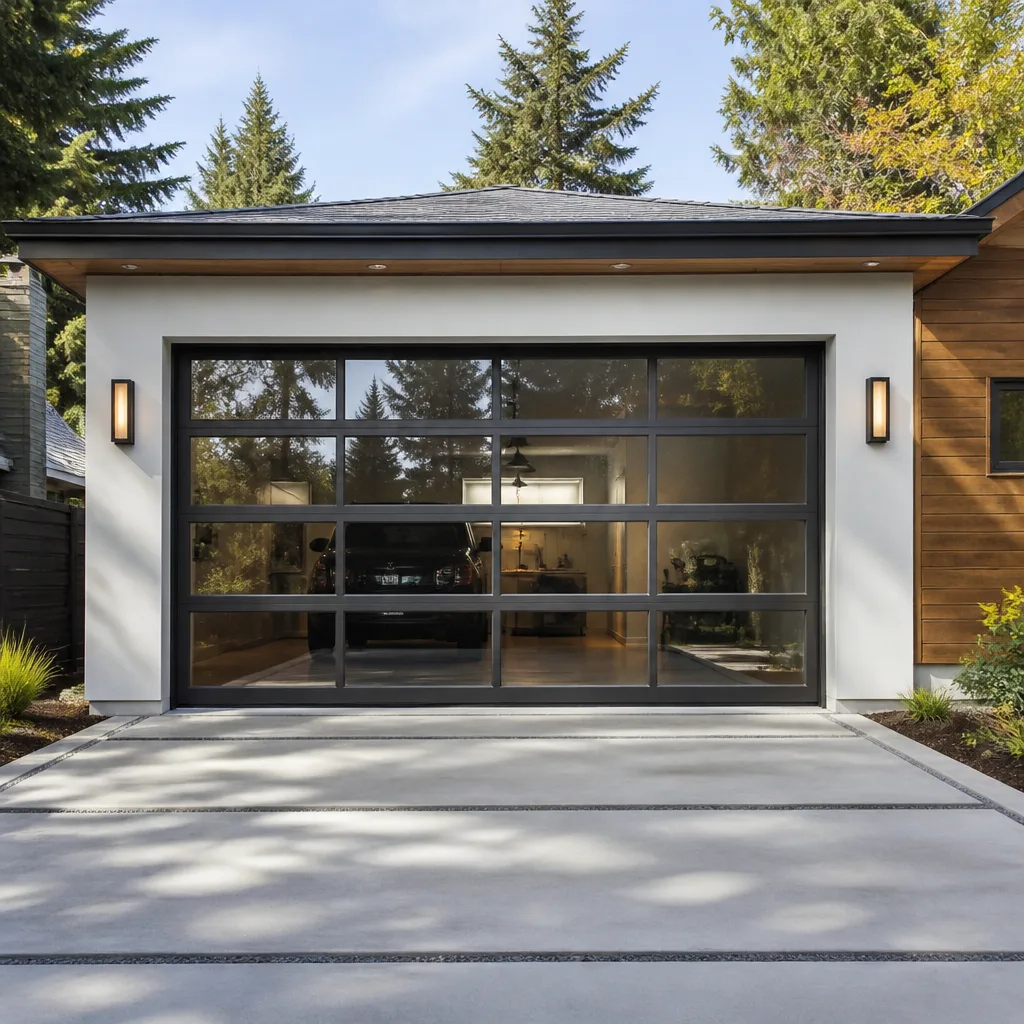 Full-view glass
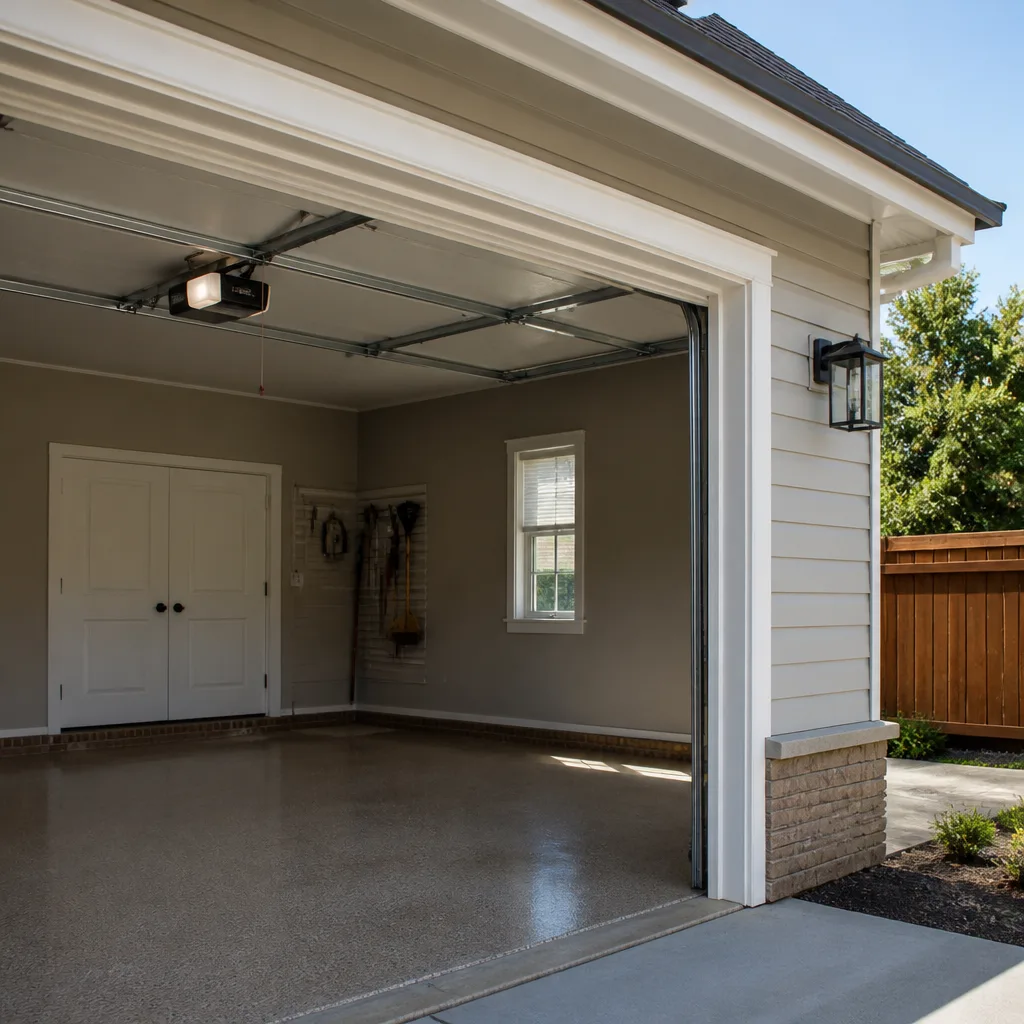 LiftMaster openers
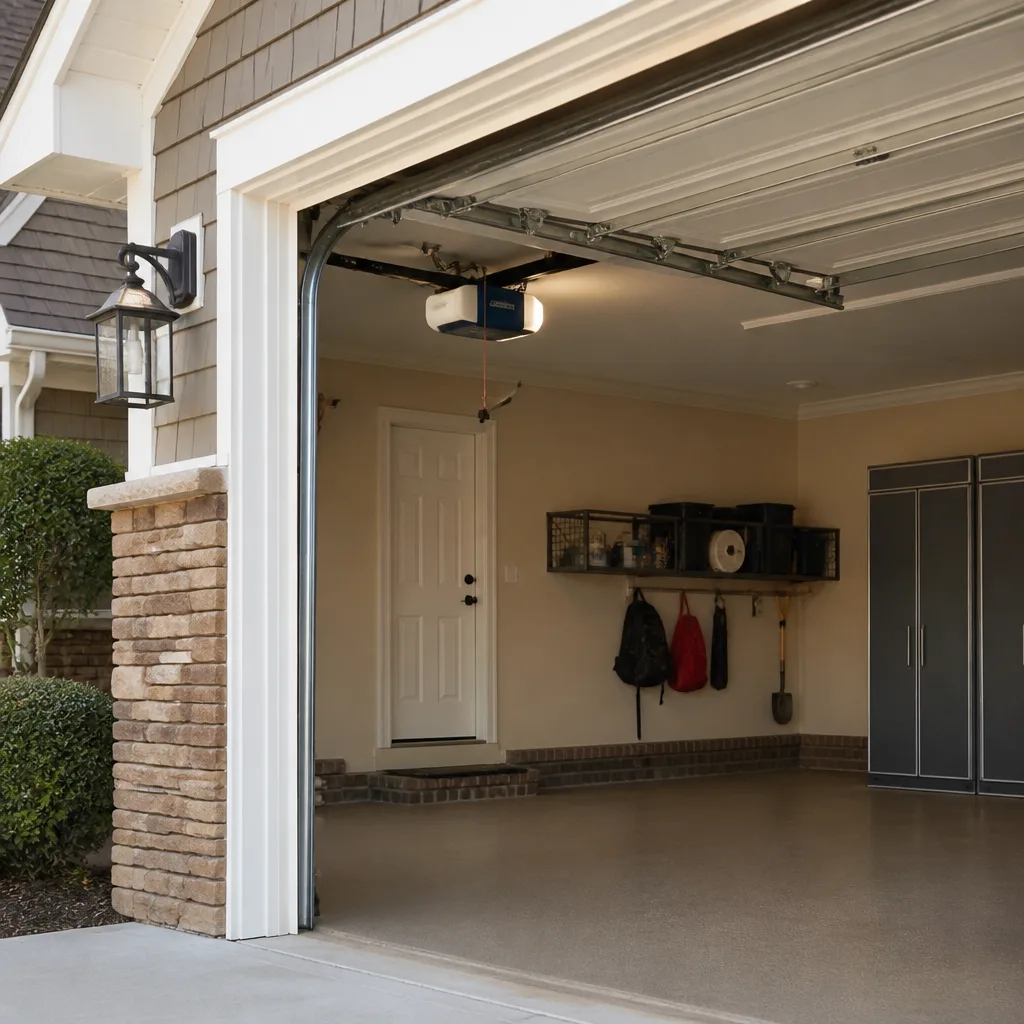 Chamberlain openers
Full 25-point door and opener safety check with every visit - springs, cables, rollers, tracks, and your LiftMaster or Chamberlain opener included
You get a price before we start. It does not change when the pro arrives.
Get your free estimateSeasonal Garage Door Care for Portsmouth: Year-Round Homeowner’s Guide
Most homeowners in Portsmouth think about their garage door exactly once: the morning it stops working. That’s backwards. The door above your car is the largest moving object on your property, and it takes a beating from every season this region hands out. Summer humidity swells wood panels and quietly rusts steel. Hurricane season tests every track bolt and bottom seal. Damp winters fog up the photo-eye sensors and cause doors to reverse for no obvious reason. Spring’s wild temperature swings throw the whole assembly out of alignment. Each season has one or two failure points that matter more than the rest, and this guide maps them out, month by month, so you can catch problems while they’re cheap to fix.
Quick Answer
Garage door care in Portsmouth follows the local weather calendar, not a generic “twice a year” rule. The highest-value actions are a pre-hurricane-season inspection of track integrity and bottom seals (late May or early June), monthly lubrication through the humid summer months, a quick sensor check every time temperatures drop in winter, and a re-alignment look each spring. If you do nothing else, test your manual release twice a year and keep the tracks clean.
Styles & brands we work with
- Raised-panel steel
- Carriage house
- Modern flush
- Full-view glass
- LiftMaster openers
- Chamberlain openers
Table of Contents
- Pre-Hurricane Season Checklist: The Three Failure Points That Matter
- Summer Humidity: What Swells, What Corrodes, and How to Lubricate
- Winter Fog and Condensation: Why Doors Reverse in the Cold
- Spring Re-Alignment: The Checks You Can Run Yourself
- When to Schedule Service in Portsmouth: A Month-by-Month Calendar
- Who Handles What: Wood Doors, Steel Doors, and Openers
- Does Brand Change the Care Routine? What We’ve Seen
Pre-Hurricane Season Checklist: The Three Failure Points That Matter
Portsmouth sits in a region where named tropical systems are a recurring summer and fall fact of life, and the garage door is one of the most wind-exposed openings on a house. When a storm approaches, three components decide whether your door survives the wind and water load: the tracks, the manual release, and the bottom seal. Every other part matters, but these three are where failures actually start.
Track integrity. Tracks are thin steel and they’re anchored with brackets into framing. Over time, and especially after a modest bump from a car or a bicycle, those brackets work loose and the track bends slightly. A track that’s off by a quarter inch still operates fine in calm weather, but under wind pressure the rollers can pop out and the door can jam sideways. Walk both vertical tracks and the horizontal arms with a flashlight. Look for dents, visible bends, and gaps where the bracket meets the wall. If you can wiggle a bracket by hand, it needs attention before the season, not after.
Manual release operation. Every door has a red release handle, and almost nobody tests it. In a power outage or an opener failure during a storm, that handle is how you get your car out. Pull it once in the spring while the door is closed, lift the door a few inches by hand to confirm it moves freely, then lower it and re-engage the trolley. If the door feels heavy or won’t stay on the way up, the springs are tired and you need garage door spring repair before storm season.
Bottom seal condition. The rubber or vinyl bottom seal is what keeps wind-blown rain out of the garage. Check for cracking, flattening, or sections that have pulled out of the retainer. A stiff, cracked seal lets water in under the door even in a routine thunderstorm. If you see daylight under the closed door from inside the garage, the seal or the door’s travel limit needs adjusting.
Run this checklist on a dry weekend in late May or early June, before the peak of the season:
- Inspect both vertical tracks and horizontal arms for bends, dents, and loose brackets.
- Test the manual release with the door closed, lift a few inches, then re-engage.
- Check the bottom seal for cracks and confirm it meets the floor evenly.
- Look at the springs above the door for visible gaps or rust, and don’t touch them.
- Tighten nothing yourself if the bracket is anchored into framing you can’t see, because overtightening can strip the anchor. Have it inspected instead.
If any of those three areas shows a problem, get it repaired before the first storm watch of the year. Portsmouth Garage Door Repair Pros handles emergency service year-round, but the point of a pre-season check is to never need it. If you’d rather not climb a ladder and squint at brackets yourself, a professional garage door repair inspection will confirm whether your door is storm-ready or needs work.
One safety note that we can’t stress enough: springs, cables, and the torsion assembly above the door are under extreme tension and can cause serious injury if you touch them. Look, listen, and if something looks wrong, call a trained professional. Don’t attempt to adjust or replace a spring yourself.
Summer Humidity: What Swells, What Corrodes, and How to Lubricate
Portsmouth summers are humid, and humidity does different damage to different door materials. Knowing which door you have tells you where to look.
Wood doors swell. Wood is a sponge. In a humid July, wood panels absorb moisture and expand, which is why wood doors can suddenly stick in their tracks or show gaps at the joints. The paint or stain is your moisture barrier, so the single best summer action for a wood door is checking for peeling paint and cracks in the finish, especially along the bottom rail and the panel edges where moisture gets in first. Touch up bare spots as you find them. If a wood door is sticking in the summer, don’t force it; the door is telling you the panels have swelled, and forcing it stresses the opener and the tracks.
Steel doors corrode at the bottom. Steel garage doors are typically galvanized and painted, and they hold up well. The failure point is the bottom edge, where the door meets the seal and where water sits after a rain. Paint chips at the bottom rail let moisture reach the steel, and rust spreads from there. Check the bottom edge every few weeks in summer and touch up any chip with a matching paint.
Lubrication schedule. This is where a lot of homeowners overdo it and underdo it at the same time. Hinges, rollers, and the torsion spring (if you’re careful, only the outside of the coils, never disassembling anything) benefit from a light, purpose-made garage door lubricant. A white lithium or silicone-based lubricant works. Here’s a repeatable schedule for the humid months:
- Monthly in June, July, and August: a light spray on the hinge pivots and roller stems on both sides. One short burst per hinge is plenty.
- March and September: full lubrication of hinges, rollers, and the opener’s chain or screw drive, following the opener manufacturer’s recommendation for your model.
- Never: WD-40 or generic household oil on the tracks. Tracks should be clean and dry, not oiled. Oil on the tracks collects grit and turns into a sticky paste that wears rollers down.
If your opener is a LiftMaster or Chamberlain, both of those systems use a chain or belt drive and benefit from a specific lubricant just for the drive. If you’re not sure what’s safe, ask before you spray; a quick call is cheaper than a worn-out opener. We see more opener problems from over-lubrication and wrong-product lubrication than from skipping it. When an opener starts groaning or the chain skips, that’s usually a job for garage door opener repair, not a heavier dose of oil.
Winter Fog and Condensation: Why Doors Reverse in the Cold
The most common January call we get in Portsmouth sounds like this: the door goes down, hits something invisible, and goes right back up. The culprit is almost always the photo-eye sensors, not a mechanical failure.
Every modern opener has a pair of sensors at the bottom of the door tracks that shoot an invisible beam across the opening. If the beam is broken, the door reverses. In cold, damp winter air, condensation can fog the small plastic lenses on those sensors. In the same way that a car windshield fogs on a cold morning, the sensor lens fogs too, and the beam weakens or scatters. A door that operated perfectly in October starts reversing in January, and then works fine again by March.
The two-minute fix is simple and doesn’t require a technician:
- Open the garage door and locate the two sensors on either side, near the floor.
- Wipe each lens with a soft, dry cloth. Don’t use a wet cloth in cold weather; it can leave a film.
- Check that both sensors are pointed straight at each other. Small nudges from a broom or a bike can knock them off aim.
- Look at the small indicator light on each sensor. Most brands have a steady green or amber LED when they’re aligned and receiving. If one is blinking or dark, that sensor needs attention.
If wiping the lenses and re-aiming doesn’t fix the reversal within a day or two, the problem is in the sensor wiring or the opener’s logic board, and that’s a job for a technician. We also see a fair number of winter sensor issues traced back to a sensor bracket that got bumped or a wire that cracked in cold weather. If you own a Chamberlain or a Genie opener, both have sensor lights that behave slightly differently; a technician who works on those systems regularly will spot the difference fast.
Along with the sensors, winter is the season to check the bottom seal again. Cold causes rubber to stiffen and crack, and a seal that’s failed at the corners lets cold air and moisture under the door. Giving your garage a once-over in November and once in February covers the two points that winter actually stresses: the sensors and the seal.
Spring Re-Alignment: The Checks You Can Run Yourself
Spring in this region swings between 40-degree mornings and 75-degree afternoons, sometimes within the same week. Those rapid temperature cycles expand and contract the framing, the tracks, and the door panels by tiny amounts. Cumulatively, that movement can shift a track out of plumb or make the door sit unevenly. Any door that suddenly binds, runs crooked, or leaves a gap on one side after a season change is showing what we call temperature drift, and it’s usually fixable with a routine adjustment.
Here are the visual checks homeowners can safely run themselves, without touching the springs or cables:
- Look at the gap under the door. A closed door should meet the floor evenly. If daylight shows at one corner and not the other, the door is sitting crooked or the floor has settled.
- Watch the door travel. Open and close the door and watch from the side. The door should travel up and down in a straight line, without wobbling side to side or rubbing the tracks on one side.
- Check the track plumb. With the door down, hold a level against each vertical track. A track that’s leaning can be corrected, but this is where cautious homeowners should stop.
- Listen for changes. New squeaks, grinding, or popping noises after a temperature change usually mean a roller has worn or a hinge is dry.
- Look at the springs. Don’t touch. A visible gap in a spring coil, or a heavily rusted spring, means the spring is tired and could fail soon. If your door feels heavy, ask a pro to look at it.
Do these checks in April, once the winter’s over and before summer heat sets in. If the door is out of alignment or the gap is significant, the fix may be as simple as adjusting the opener’s travel limits, or it may need a track adjustment that requires loosening and re-anchoring brackets. This is where your best action is a call to a professional. Bracket adjustments done wrong can damage the framing, and spring work is genuinely dangerous. Our technicians have up to 15 years of experience, and a spring repair is a named service we take seriously. We’re happy to tell you over the phone whether the issue you’re describing sounds like a re-alignment or something else.
When to Schedule Service in Portsmouth: A Month-by-Month Calendar
Generic advice says “service your garage door twice a year.” That advice ignores the actual calendar of when this region’s weather does the most damage. Our recommendation for Portsmouth homeowners is three service touches per year, timed to the seasons rather than spread evenly.
March or early April: the spring tune-up. After a damp winter, the busiest thing on your garage door is the opener and the tracks. This is the time to lubricate the hinges, rollers, and opener drive, test the balance of the door, and have the opener’s safety reverse tested. This is also the right time to book an inspection if you noticed the door jamming over the winter.
Late May: the pre-hurricane inspection. This is the most important visit of the year. The focus is on the three failure points: track integrity, manual release, and bottom seal. If you’re going to spend money on your garage door, spend it in late May, because the cost of a repair before a storm is always lower than the cost of storm damage.
October or November: the cold-weather prep. Wipe the sensor lenses, test the manual release again, check the bottom seal for stiffening and cracking, and make sure the door closes flush against the floor. If the weatherstripping around the door frame (not the bottom seal, but the trim) is pulling away, that’s the time to address it. This prep visit means your winters are uneventful.
Between those three service points, the homeowner jobs are light:
- Monthly lubrication in the summer humid months.
- Sensor lens wipes whenever you notice a reversal.
- A quick look at the door gap and bottom seal each time the season changes.
That local timing skews the cost of repairs too, because timing drives what fails. A spring that fails in July means a week without a working door; a spring that fails in a February storm means the same, plus cold air into the house. Catching a tired spring during the spring tune-up saves you both. If you want a professional assessment of your door right now, call us for a free estimate; the written quote is what the job costs, and we agree on it before any work begins.
Who Handles What: Wood Doors, Steel Doors, and Openers
Not every seasonal issue belongs to the same trade. Understanding which part of the door is a maintenance item and which is a repair call saves you from unnecessary service visits.
Wood door maintenance is homeowner territory. Painting, sealing, and touching up cracks are seasonal tasks you can handle yourself, and they’re the best protection against summer swelling. If a wood panel has warped or cracked because of years of moisture, that’s a repair, not maintenance.
Steel door maintenance is also homeowner territory, up to a point. Touch-up paint at the bottom rail and a wipe-down of the panels keep rust from spreading. If rust has eaten through the bottom section or the door has a dent that’s compromised the structure, that’s a door replacement conversation, not maintenance. Clopay and Amarr are the two steel door and panel brands we’re most familiar with, and both have panel-level parts in most cases, so a single rusted section often doesn’t mean an entire new door.
Openers are a technician call once they misbehave. A sensor that reverses in winter is a homeowner fix, but a motor that runs without moving the door, a chain that’s jumped, or a wall control that’s stopped responding is opener repair. Ours covers LiftMaster, Chamberlain, Genie, and legacy Craftsman units. Both LiftMaster and Chamberlain are smart-home-compatible lines, so a few of those complaints turn out to be app pairing or wifi issues rather than hardware, and that’s easy to sort out.
Springs and cables are always a technician call. No seasonal maintenance on a spring is safe for a homeowner. The best you can do is look at it from a distance and note rust or gaps in the coils.
For residential property managers in Portsmouth, this division matters for the service schedule. The maintenance items can be handled by onsite staff, and the repair items booked as needed. Everyone wins when the priority jobs are identified in advance. For the kinds of repairs that demand a trained technician, see what our garage door services actually cover, or call for a free estimate and we’ll tell you whether a repair or replacement is the right answer for your specific door.
Does Brand Change the Care Routine? What We’ve Seen
The brand of your door and opener matters less than most people think for seasonal maintenance, and a little more than you might expect for repair. The annual care routine (lubrication, sensor wipes, seal checks, track inspection) is essentially the same across brands. The differences show up when something needs fixing.
Raynor and Wayne Dalton doors have their own panel and hinge designs, and some have specific hardware that’s not interchangeable with other brands. LiftMaster and Chamberlain openers have their own diagnostic light codes, and knowing how to read those tells a technician what’s wrong before they even open the housing. Genie openers have a different torque system. Craftsman, which is a legacy product still common on older doors in the area, has its own parts availability quirks. When a technician can read those systems quickly, the diagnosis is faster and the fix is more accurate.
The worst outcome for any homeowner is a technician who shows up, can’t read the system, and recommends replacement because they don’t know the part. The care routine in this guide doesn’t care what brand you own; the repair call does. If your door is a Raynor, or your opener is a Genie, ask the repair company whether they work on that system before you book. If they can’t answer, call someone who can. We work on the door you have, not the door we wish you’d bought.
One more point: a door that’s out of alignment or an opener that’s failing is a system problem, not a brand problem. If you’re seeing the same symptom (door reversing, jerking, stopping halfway) three or more times, don’t keep resetting it. Get a diagnosis. The next step after a diagnosis is often a simple repair, and our garage door opener services cover those common failures.
Common Mistakes to Avoid
- Oiling the tracks. This is the most common mistake we see. Garage door tracks should be clean and dry, and oil attracts grit, which grinds down your rollers. Lubricate the hinges and rollers, never the tracks.
- Ignoring the bottom seal. A cracked or flattened bottom seal fails quietly. By the time you notice water in the garage, the door has been letting moisture in for months. Check it at every season change.
- Forcing a stuck door. If a door is sticking in the summer and you keep running the opener, you’re stressing the opener and the tracks. Address the cause: swelling wood, a loose bracket, or a worn roller.
- Treating sensors as a technician-only issue. Sensor fogs and misalignments cause most winter reversals, and wiping the lenses is a two-minute fix. Don’t book a service call before you’ve cleaned and re-aimed.
- Waiting until after the storm. A pre-hurricane check in late May identifies the three failure points (tracks, release, seal) before a storm. Post-storm inspections happen because something wasn’t checked in May.
- Assuming the generic twice-a-year rule fits Portsmouth. It doesn’t. Three seasonal touches timed to spring alignment, hurricane prep, and cold-weather prep match this region’s weather, not a calendar that assumes a mild climate.
- Trusting a technician who doesn’t recognize your system. If the tech can’t read your opener’s diagnostic lights or can’t tell you whether your Raynor door’s panel hardware is available, ask more questions before they touch the door.
See the difference
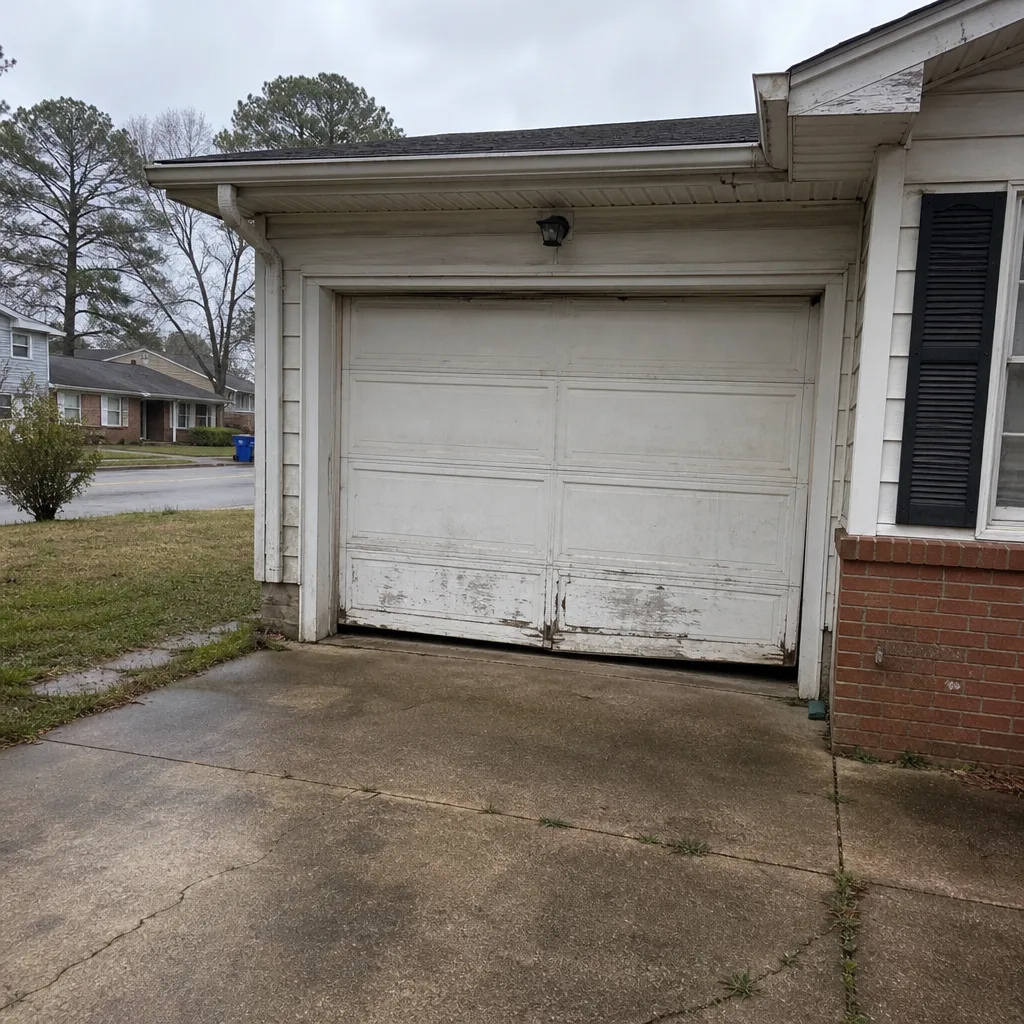 Before
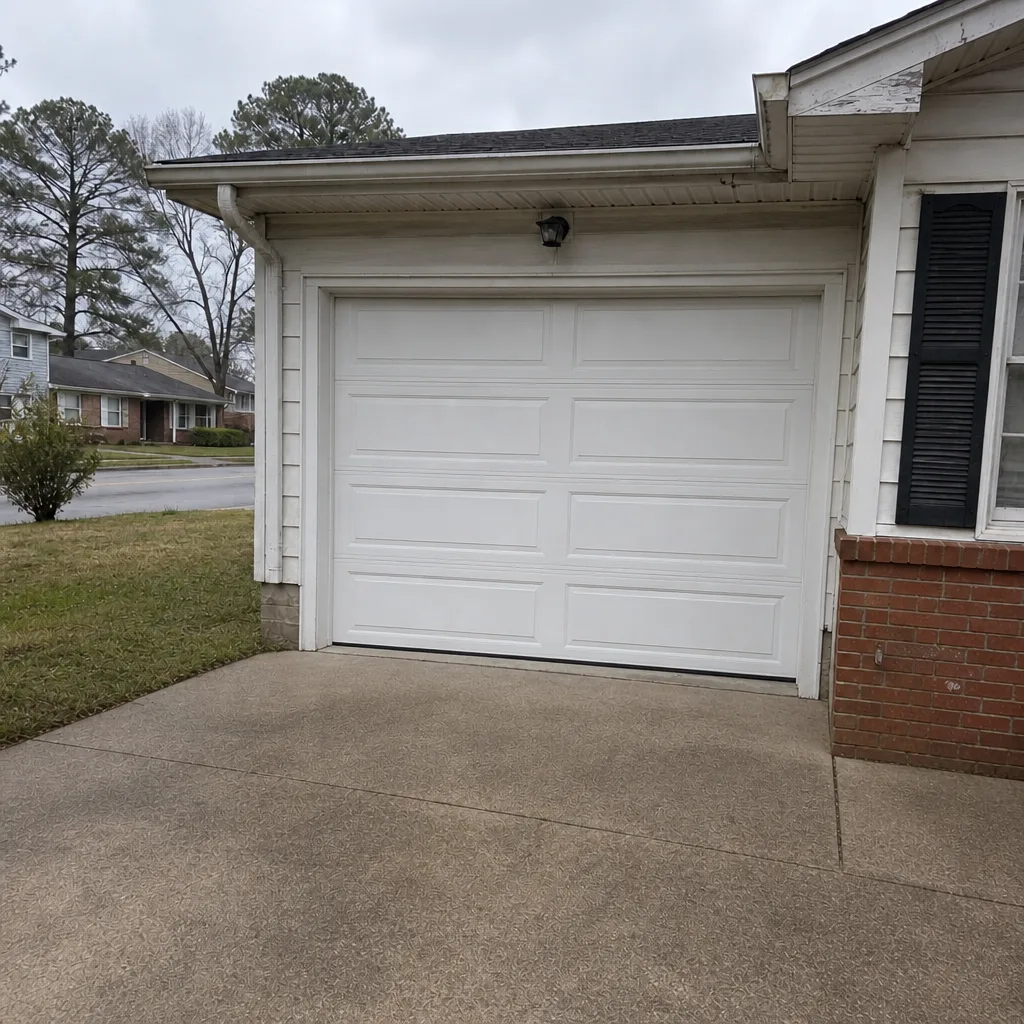 After
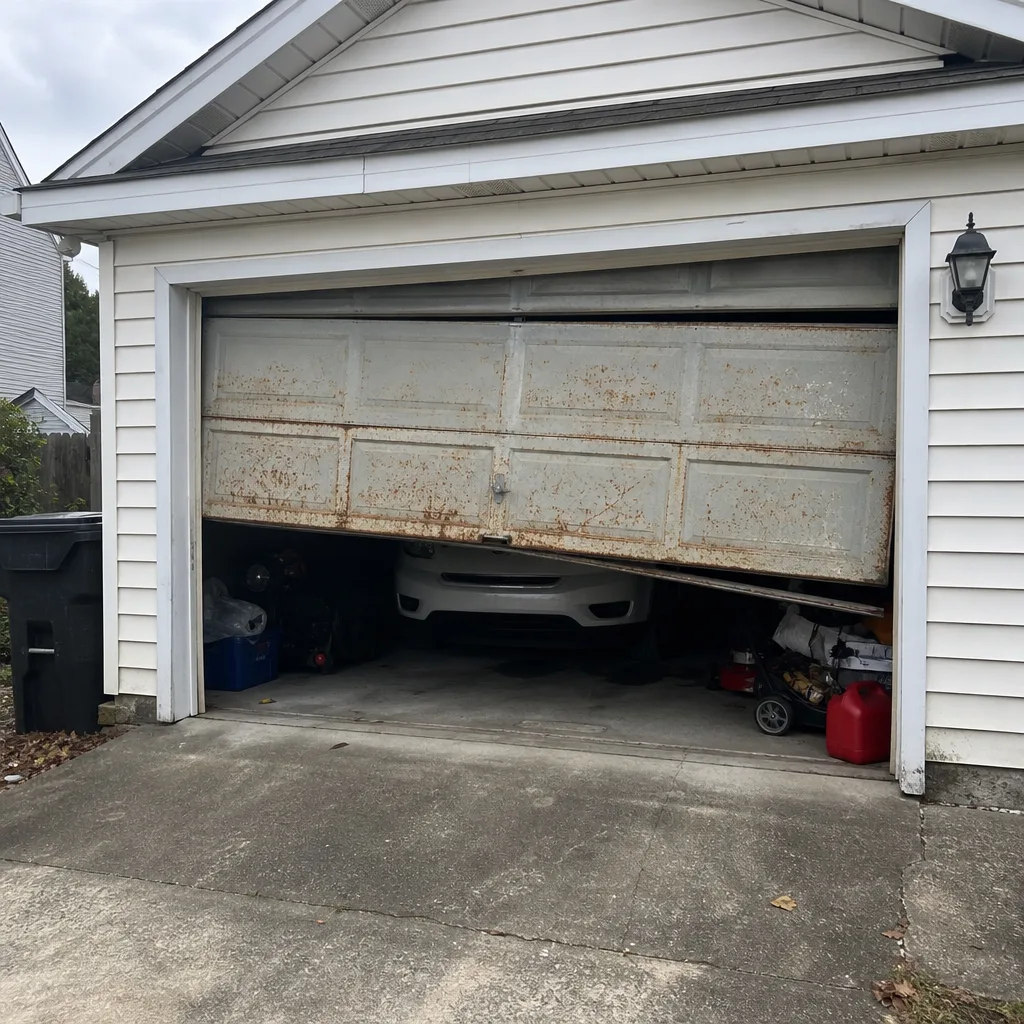 Before
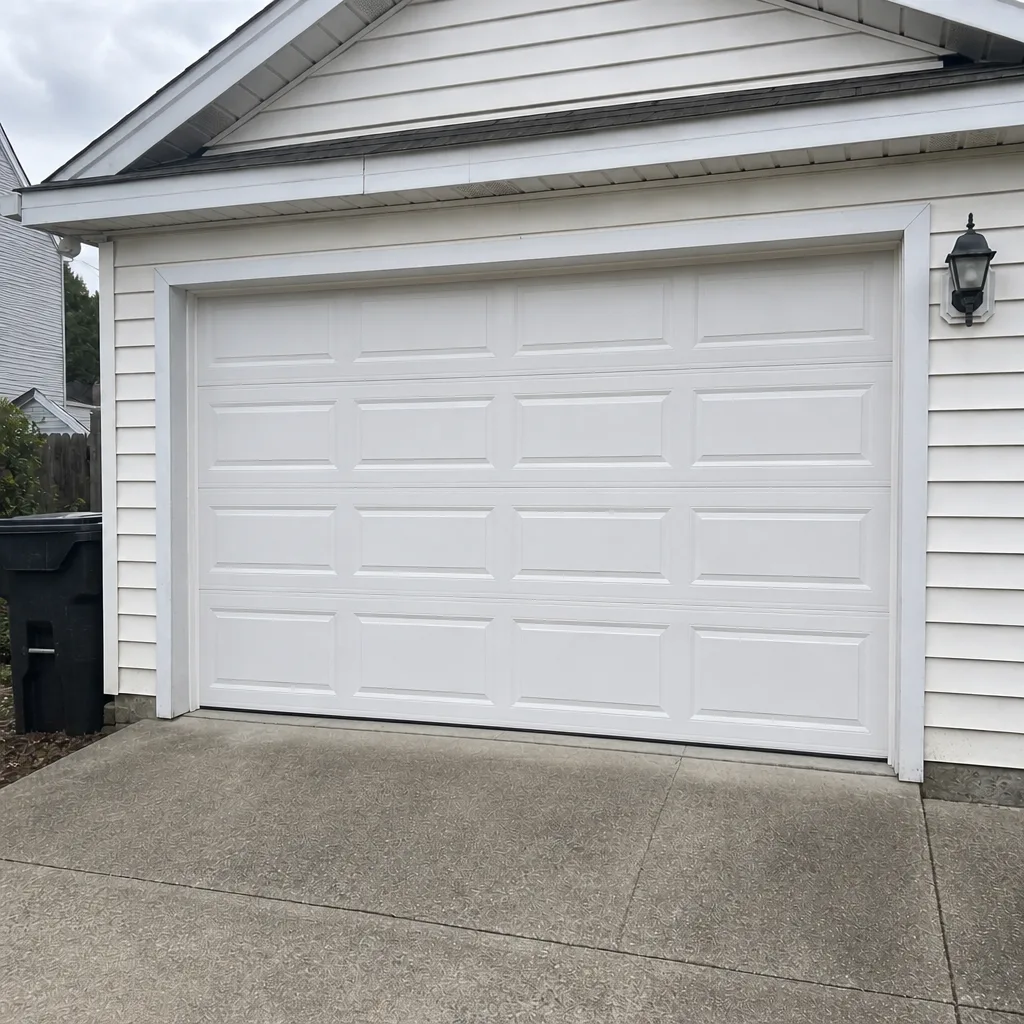 After
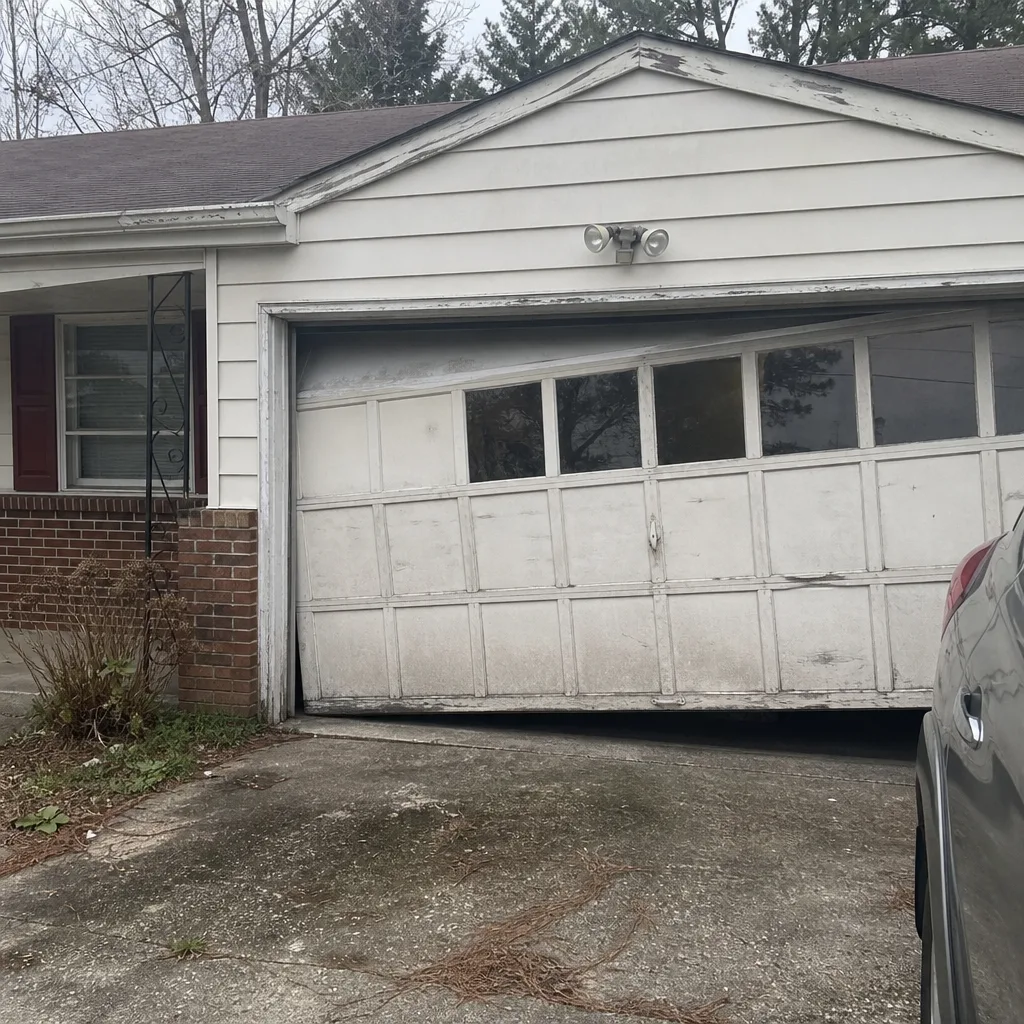 Before
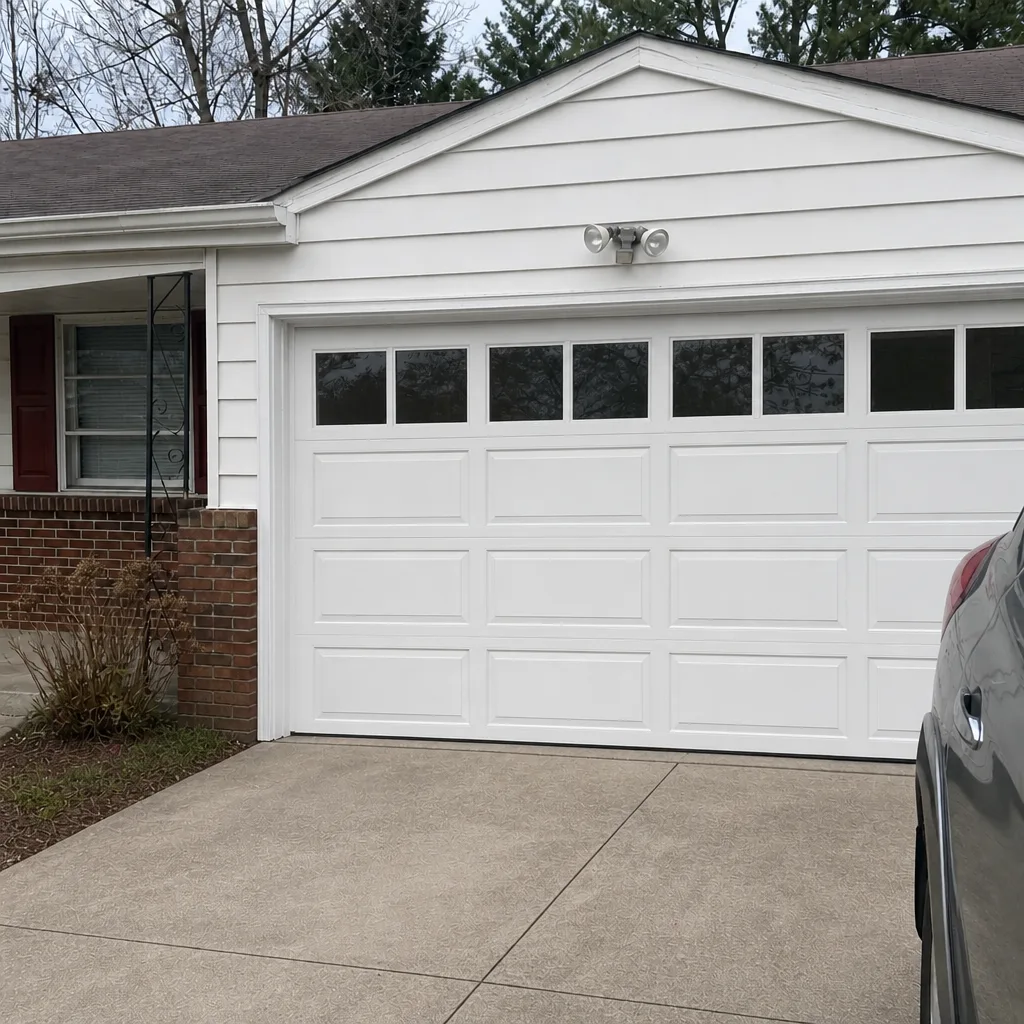 After
When to Call a Professional
Call a professional for any issue involving the springs, cables, or torsion assembly, no exceptions. Call for a door that’s out of alignment and has a visible gap at the floor after a seasonal change. Call for an opener that runs without moving the door, or a motor that cycles on its own. Call for a bottom seal that’s failed at the corners and is letting water in. Call for a track that’s bent or a bracket that’s pulled loose from the framing. Call for a door that’s stuck open or closed, because that’s an emergency. Portland’s seasonal routine covers the small stuff, and we handle the rest. A trained technician will confirm the diagnosis before any work begins, and the estimate is free. If it turns out the emergency is likely to recur without a repair, we’ll say so. Portsmouth Garage Door Repair Pros offers free estimates in Portsmouth; call (855) 937-1767.
Frequently Asked Questions
Three times a year is the right rhythm here: a spring tune-up in March or April, a pre-hurricane inspection in late May, and a cold-weather prep visit in October or November. That schedule follows the local weather pattern rather than a generic twice-a-year rule. The March visit is the least critical, and the pre-hurricane check is the most. Call (855) 937-1767 for a free estimate if you’d like to book the pre-hurricane visit now.
Almost always the photo-eye sensors, not a mechanical failure. Cold, damp air fogs the sensor lenses, and the beam weakens or scatters. Wipe both lenses with a dry cloth, check that they’re pointed straight at each other, and look at their indicator lights. If cleaning and re-aiming doesn’t fix it within a day or two, the wiring or logic board is the issue. Call us if you want a technician to look at it.
No. Tracks should be clean and dry, not lubricated. Lubricate the hinges and roller stems, not the tracks. Oil on the tracks collects grit and grinds down your rollers. If your door is noisy and you’re not sure where the noise is coming from, call a technician to diagnose it. We keep the answer simple over the phone.
Repair, if the swelling is cosmetic or minor and the paint is intact. Wood swelling is a moisture problem, so the fix is often a paint or seal refresh along the panel edges and bottom rail. If the panels are cracked, warped, or the wood is soft, replacement is the more sensible long-term answer. A technician can tell you which side of that line you’re on with a free estimate; call (855) 937-1767.
Track integrity, manual release operation, and bottom seal condition. Those are the three failure points that matter under wind and water load. Walk the tracks for dents and loose brackets, pull the red manual release handle once to confirm the door lifts freely, and check the bottom seal for cracks. If any of the three is bad, get it fixed before the season starts. Call (855) 937-1767 for the pre-season inspection.
Yes, if it’s one of the eight we’re certified on: LiftMaster, Chamberlain, Genie, Clopay, Amarr, Wayne Dalton, Craftsman, and Raynor. We’re a multi-brand specialist, not a one-brand shop, so the diagnosis is based on what your door needs, not what we’d like to sell. Call (855) 937-1767 and tell us the brand, and we’ll confirm we handle it.
The Bottom Line
Seasonal care in Portsmouth is really about timing. A March tune-up, a late-May pre-hurricane inspection, and an autumn cold-weather prep cover the year, with light monthly lubrication in the humid months and sensor wipes whenever the door reverses in the cold. The three hurricane-season failure points are tracks, manual release, and bottom seal. The winter failure point is the sensor lens. The spring failure point is alignment. You can handle lubrication, sensor wiping, and visual checks yourself; springs, cables, and out-of-alignment tracks need a trained technician. Our technicians have up to 15 years of experience, and we work on the door you already have. That’s the whole plan.
If you’d rather have the pre-hurricane inspection handled by someone who works on these systems every week, call Portsmouth Garage Door Repair Pros at (855) 937-1767 for a free estimate. We serve homeowners throughout the Portsmouth area, from the door you already own to a full new installation when a repair no longer makes sense. When the door won’t move, we move fast. When it just needs a seasonal look, we’ll tell you exactly what’s worth doing and what can wait.
Written by the team at Portsmouth Garage Door Repair Pros.