Last updated November 22, 2026
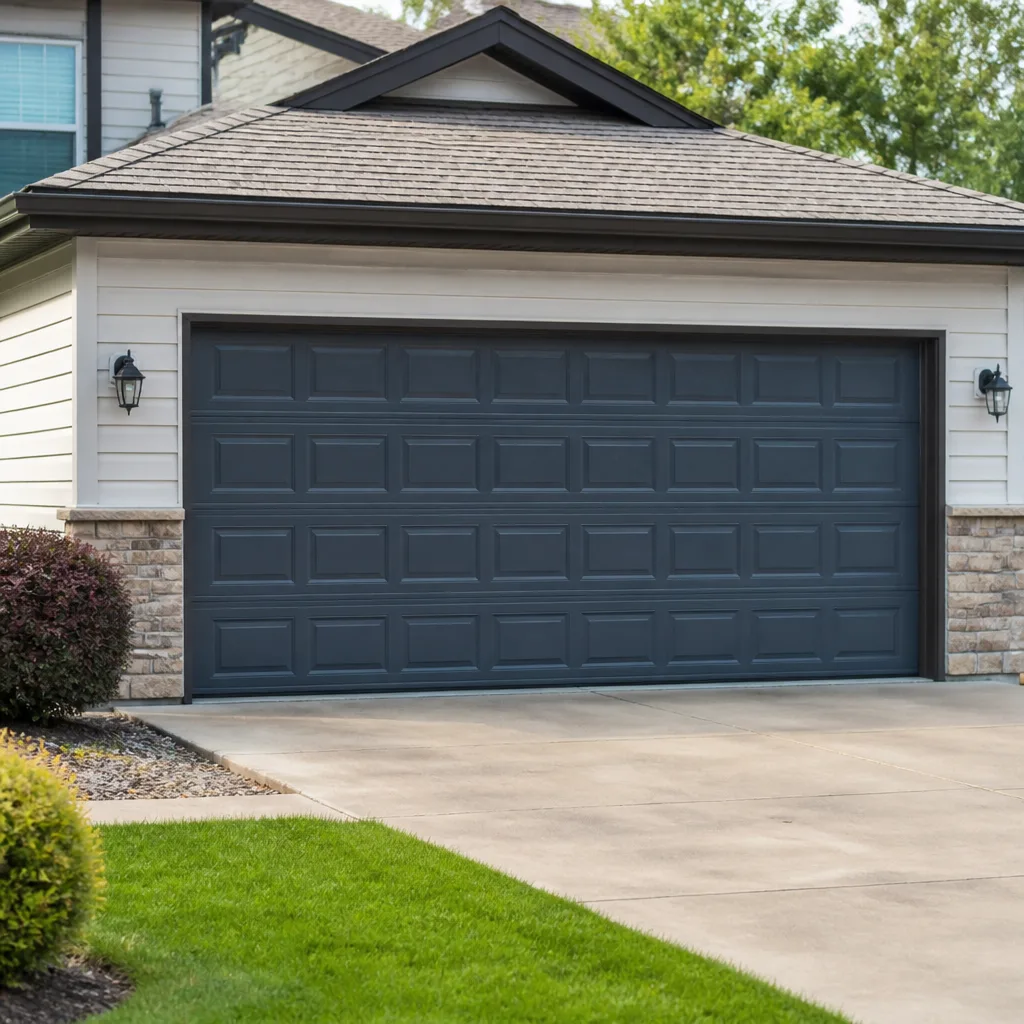 Raised-panel steel
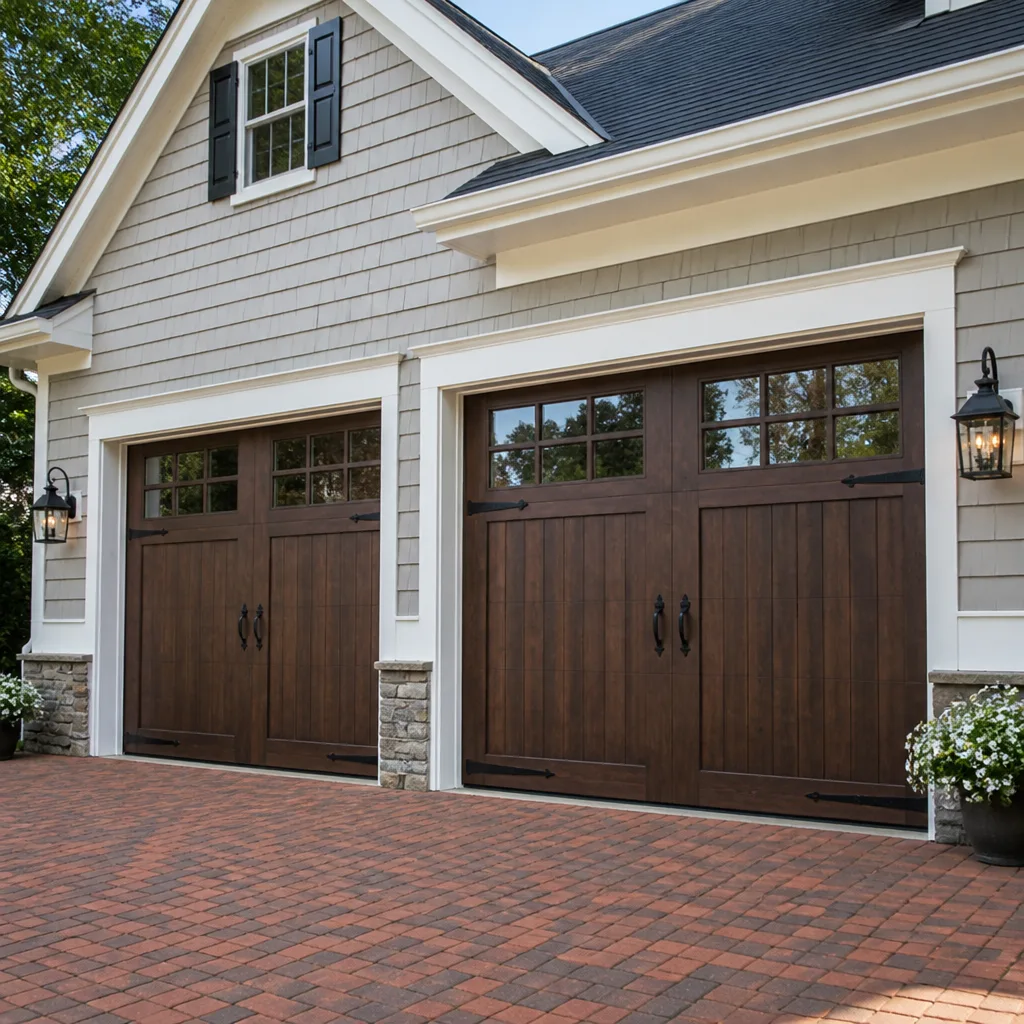 Carriage house
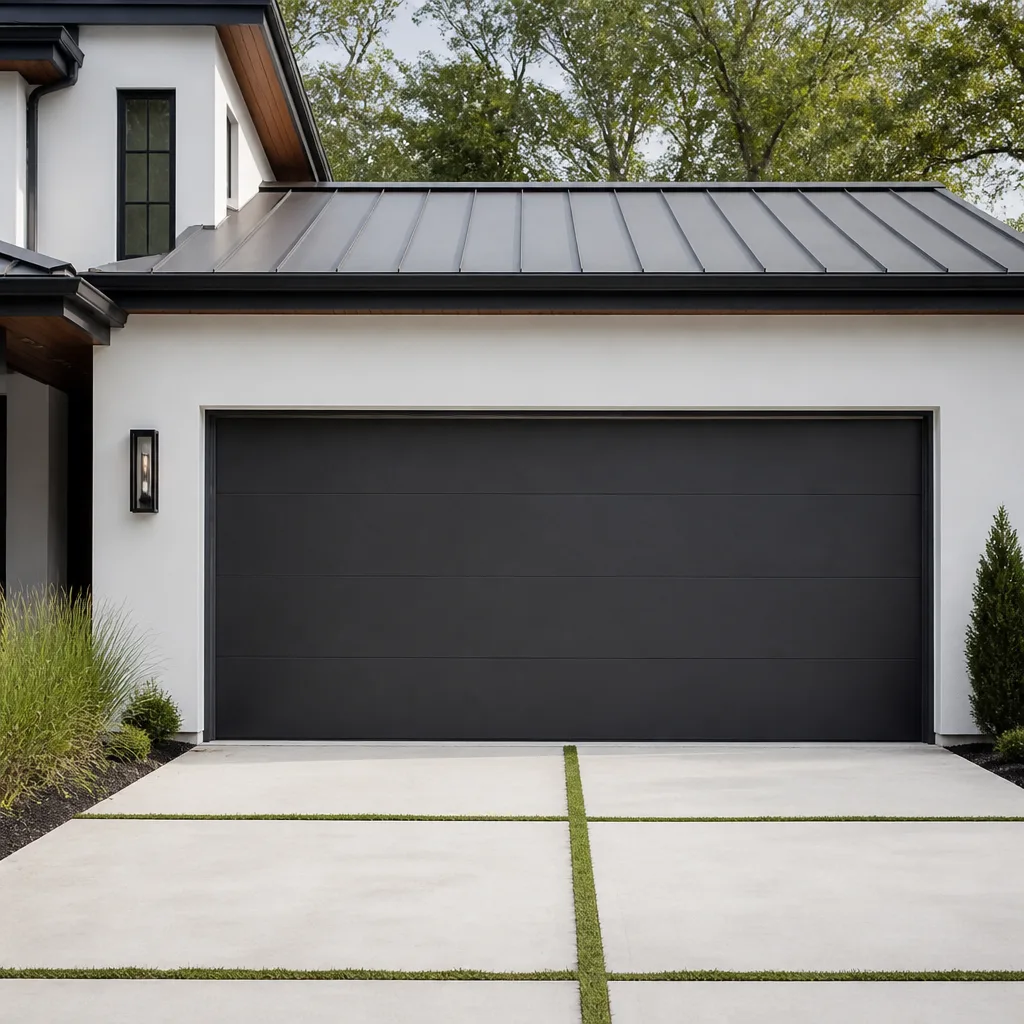 Modern flush
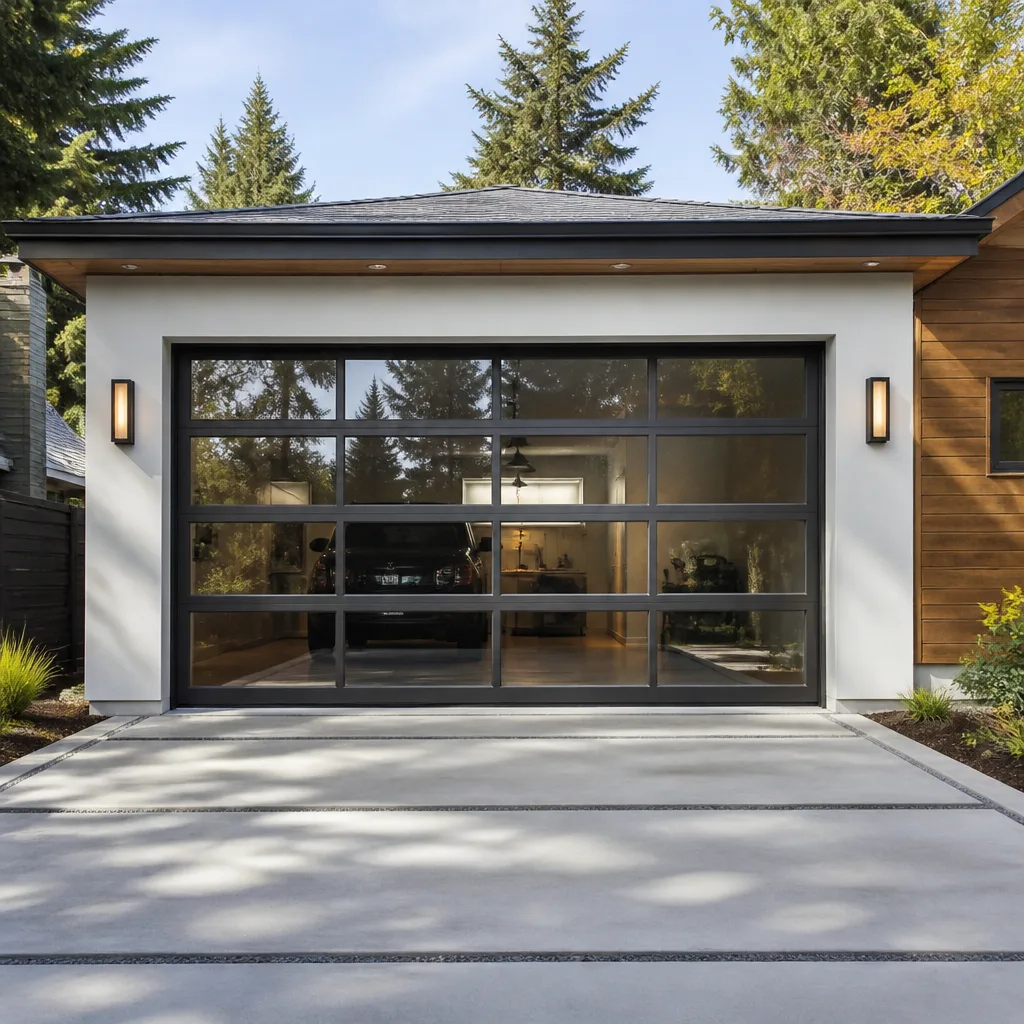 Full-view glass
 LiftMaster openers
 Chamberlain openers
Full 25-point door and opener safety check with every visit - springs, cables, rollers, tracks, and your LiftMaster or Chamberlain opener included
You get a price before we start. It does not change when the pro arrives.
Get your free estimateChoosing the Right Garage Door Brand: A Buyer’s Guide for Portsmouth
The brand with the most recognizable name in the garage door industry isn’t necessarily the one with the best corrosion warranty or the widest local parts availability. And in Portsmouth, those two factors matter more than name recognition. Plenty of homeowners start their search by asking which brand is “best,” then buy on advertising and showroom shine. Two winters and a few humid summers later, they’re waiting on a special-order hinge while their door sits crooked in the opening. This guide looks at garage door brands the way a technician does in Portsmouth: which ones hold up, which ones are easy to service, and which ones leave you hunting for parts. You’ll learn how steel gauge, warranty fine print, and opener compatibility actually play out for a Portsmouth door.
Quick Answer
For Portsmouth, the best garage door brand is the one with galvanized or otherwise corrosion-resistant hardware, a written warranty that covers rust through rather than just peeling paint, and parts that a local dealer can actually get. Clopay, Amarr, Wayne Dalton, and Raynor all build doors that fit that profile when you choose the right model line. Brand reputation matters far less than the hardware spec sheet and who can service the door in Portsmouth when something breaks.
Styles & brands we work with
- Raised-panel steel
- Carriage house
- Modern flush
- Full-view glass
- LiftMaster openers
- Chamberlain openers
Table of Contents
- What Should You Look For in a Garage Door Brand in Portsmouth?
- Does Steel Gauge Really Matter for a Portsmouth Garage Door?
- Should Your Door Brand and Opener Brand Match?
- What Does a “Lifetime Warranty” Actually Cover?
- Which Brands Have Parts You Can Get Locally?
- Panel Replacement vs. Full Replacement: Can You Stay With Your Current Brand?
- What Happens During a Professional Installation?
- Common Mistakes to Avoid
What Should You Look For in a Garage Door Brand in Portsmouth?
Buy on hardware specs, warranty language, and parts availability, in that order. A garage door in Portsmouth faces humidity swings through the summer, wind-driven rain, and the occasional tropical system. The finish and hardware take the beating before the panels do. Here’s what we check before recommending any brand:
- Galvanized or coated hardware: Hinges, rollers, and track brackets should be galvanized steel or coated from the factory. Bare steel hardware is the first thing to show rust, and it’s also what makes a door stick and squeal.
- Corrosion warranty language: Look for warranty language that explicitly covers rust-through or corrosion on the door sections. A paint finish warranty that excludes rust isn’t much protection in Portsmouth’s climate.
- Local parts availability: Ask whether the dealer stocks hinges, rollers, and section panels for that model line, or whether every part is a special order. A brand with no local parts pipeline means days without your door.
- Section profile and thickness: Insulated doors hold their shape better through temperature swings. For an attached garage, insulation also keeps the room above it more comfortable.
- Serviceability: Can a technician adjust the torsion springs, replace a bottom seal, or swap a single damaged panel? Some brands make this simple. Others don’t.
Notice that brand name doesn’t appear on that list. We work on the door you have, and we’ve seen budget-model doors outlast premium ones because the hardware spec was better for the setting. When you’re comparing two brands in a Portsmouth showroom, ask for the hardware spec sheet and the warranty document. The brand is on the label. The hardware is what you live with.
Does Steel Gauge Really Matter for a Portsmouth Garage Door?
Yes, but not the way the brochures suggest. Steel gauge measures thickness, and a lower number means thicker steel (24-gauge is thicker than 27-gauge). Most major brands offer multiple gauge options across their model lines. What matters in Portsmouth is matching the gauge to wind exposure and how often the door gets used.
Portsmouth sits in a coastal Virginia wind zone, and garage doors are one of the largest openings on a house. A thinner 27-gauge door can be perfectly fine on a sheltered, rarely used door. On an exposed wall or a door that cycles many times a day, a heavier 24-gauge section resists denting and holds its shape better over time. Heavier steel also holds a finish longer because the panel flexes less.
Two other specs matter as much as gauge:
- Insulation: A polyurethane core gives more rigidity than a polystyrene panel at the same gauge. On a Portsmouth house with a room over the garage, that rigidity and insulation are worth the difference.
- Wind-load rating: If your home needs a rated door for its location, ask the manufacturer or installer for the wind-load rating (often expressed in psf) and the reinforcing struts or brackets that come with it. Don’t guess at what your home requires: your city’s building department can tell you whether a permit and a rated door apply to your installation.
A common trap: comparing brands by model name. “Model X” from one company might be 24-gauge, while “Model X” from another is 27-gauge. Compare the spec sheet, not the name on the door.
Should Your Door Brand and Opener Brand Match?
Not always, but mismatching creates real problems if you don’t plan for them. A garage door and an opener are two separate systems that have to work together. The door determines the weight and balance. The opener supplies the force and the safety features. When they’re from different brands and nobody verifies compatibility, you can end up with a door that runs rough, an opener that strains, or safety sensors that never quite work right.
The compatibility issues we run into most often in Portsmouth:
- Safety sensor wiring: Some openers use proprietary sensor mounting and wiring. A tech who only knows one brand may not have the parts to swap a sensor on a different system.
- Remote and smart-home pairing: LiftMaster and Chamberlain are the two dominant smart-home-compatible lines, and each has its own app and remote ecosystem. Genie has its own. Mixing a door brand that favors one opener with a different opener line is fine on most doors, but plan the remotes and app control up front.
- Legacy systems: Craftsman and Genie openers are everywhere in older Portsmouth homes. Replacement remotes and circuit boards for older units can be harder to source, and a technician who doesn’t know the older models may push a full replacement when a repair will do.
Our advice is simple. Choose the door for the door’s merits, then choose the opener for compatibility and support. If you’re buying both at once, ask the installer to confirm they’ll pair correctly and that the safety sensors and force limits will be set for the actual door weight. If your opener has a problem after a door install, schedule garage door opener repair with a technician who works across all the major lines. That’s the diagnosis you want rather than a parts shotgun.
What Does a “Lifetime Warranty” Actually Cover?
“Lifetime” almost never means the whole door for the whole life of your house. Across the four brands we see most in Portsmouth (Clopay, Amarr, Wayne Dalton, and Raynor), the term is a bucket of different coverages, and each has its own limits. Read the document, not the sticker. Here’s how the coverage typically breaks down:
- Sections (the panels): Usually covered the longest, and often the coverage is limited or prorated after a certain number of years. Rust-through is the clause that matters in Portsmouth, so check whether corrosion is covered or excluded.
- Hardware (hinges, rollers, brackets): Usually the shortest coverage of any component, often just a year or two. This is also the first thing to wear or rust in our humidity.
- Springs and cables: Often not covered at all. Springs are a wear item, and a failed spring is the most common garage door repair we handle. Expect to pay for spring work regardless of the brand’s warranty.
- Finish and paint: Typically covered against peeling and blistering for a set number of years, with exclusions for rust-through from the inside out, damage from salt, chemicals, or pressure washing.
- Labor: Almost never covered. The brand may replace a part; getting it installed is on you.
What voids coverage matters just as much. Common exclusions include improper installation, unrepaired damage to the finish, chemical exposure, and modifications. In a Portsmouth climate, the corrosion clause is the one place where brands genuinely separate. Ask directly: does this warranty cover rust-through on the door sections, and for how many years? If the answer is fuzzy, treat the warranty as shorter than the brochure suggests. And no matter what the brand promises, the written estimate from your installer is what fixes the price on your job.
Which Brands Have Parts You Can Get Locally?
The brands with dealers who stock common parts are the ones that keep your door working. Every major brand can ship a part. The question is how long you wait, and whether your door stays stuck in the meantime. In Portsmouth, the brands with the most reliable local support in our experience are Clopay, Amarr, Wayne Dalton, and Raynor, with Craftsman and Genie dominating the older opener stock.
What “parts availability” means in practice:
- Common wear parts: Hinges, rollers, bottom seals, and track brackets should be readily available. These are the parts that fail first and the ones you want replaced quickly.
- Section panels: Doors take damage from a backed-out car, a wind-blown branch, or a botched attempt to force a stuck door. If the exact section isn’t available, the door may need to be refinished or partially replaced rather than matched exactly.
- Proprietary components: Some brands use unique hardware that only their dealers carry. That’s fine when the dealer is local and open. It’s a problem when the only source ships from out of state on demand.
- Opener boards and remotes: LiftMaster and Chamberlain are the easiest to source across the board. Older Craftsman and Genie units can take longer to match, which is why a technician who knows those systems saves you a replacement.
If you’re weighing replacement, ask the installer which parts for the candidate brand are stocked locally versus special order. That answer tells you more about your next five years with the door than the brand’s TV advertising does.
Panel Replacement vs. Full Replacement: Can You Stay With Your Current Brand?
Often, yes. A single damaged section doesn’t have to mean a whole new door. If your current door is from Clopay, Amarr, Wayne Dalton, or Raynor, the right approach is usually to identify the model line, order a matching section, and keep the existing track and opener. That saves the cost of a full installation and lets a multi-brand technician service the system in one visit.
Here’s where staying with your current brand gets complicated:
- Discontinued models: A door that’s a decade or more old may not have a matching section available. In that case, an installer may suggest replacing a larger group of sections to keep the panels visually consistent, or a full replacement.
- Mixing brands: Dropping a section from a different manufacturer into an existing door is a service complication. The profile, gauge, and hardware mounting may not match, and the result can be a door that binds, seals poorly, or can’t be balanced. We work on the door you have, and we’d rather repair it correctly than mix parts and hand you a problem.
- Warranty impact: Mixing parts can void the original door’s coverage. A matching section keeps that protection intact.
If the panel damage is cosmetic, sometimes the better move is garage door repair on the track and hinges with a finish touch-up. If the door is dented, binding, or out of balance, get a professional diagnosis before deciding. A full installation is a significant investment, and it should be the answer to a real problem, not a default.
What Happens During a Professional Installation?
A professional installation is measured, ordered, and scheduled, not improvised. Installation work isn’t same-day, and shouldn’t be: the door has to be sized for the opening, and the right model line and hardware have to be ordered. Here’s the process we’d walk a Portsmouth homeowner through:
- Measure the opening: Width, height, headroom, and side clearance. Old openings in Portsmouth homes are not always square, and the door has to fit the real opening, not the ideal one.
- Confirm the requirements: If your home needs a wind-rated door or a permit, that gets settled before the order. Ask your city’s building department whether a permit applies to your job.
- Review the door spec: Gauge, insulation, hardware finish, window options, and the model line. You should see the actual specs for the door you’re buying, not a brochure photo of a different model.
- Get a written estimate: The price is quoted and agreed before any work starts. Installation is scheduled once the door arrives.
- Remove and install: The old door and track come down, the new one goes up, and the opener is adjusted for the new door’s weight and balance.
- Balance and safety test: The technician checks the door balance, safety reverse, and sensor alignment before wrapping up.
- Walkthrough: You get a look at the hardware, the remotes, and how the door runs.
If your current door has failed in the meantime, that’s a different kind of call. Emergency service is a real offering, not a promise. When the door won’t move, garage door spring repair is the most common visit, and it’s also the most dangerous repair on any garage door. Torsion springs are under extreme tension, and a trained professional should handle them, always. Don’t attempt it yourself.
Common Mistakes to Avoid
- Buying on brand name alone. The label tells you almost nothing about the gauge, finish, or warranty on the model you’re actually buying. Ask for the spec sheet on the exact model line.
- Assuming “lifetime” covers springs. Springs are the most common failure point, and most warranties don’t include them. Budget for spring service regardless of brand.
- Mixing door and opener brands without checking compatibility. The remotes, safety sensors, and force limits all have to line up. Some mismatches are easy to fix; others confound technicians who only know one brand.
- Special-ordering every part. A brand with no local parts pipeline means a multi-day wait for a hinge. In Portsmouth, that’s a security problem, not just an inconvenience.
- Replacing a whole door when a section would do. Ask for a diagnosis first. A reputable technician will tell you whether a matching panel is available.
- Ignoring the warranty’s rust clause in our climate. Read the corrosion language before you pay. Outdoors hardware takes the hit, and the warranty should speak to it.
- Hiring the first quote instead of getting the written spec. A verbal quote with no hardware or gauge listed is not a quote you can compare. Get it in writing.
See the difference
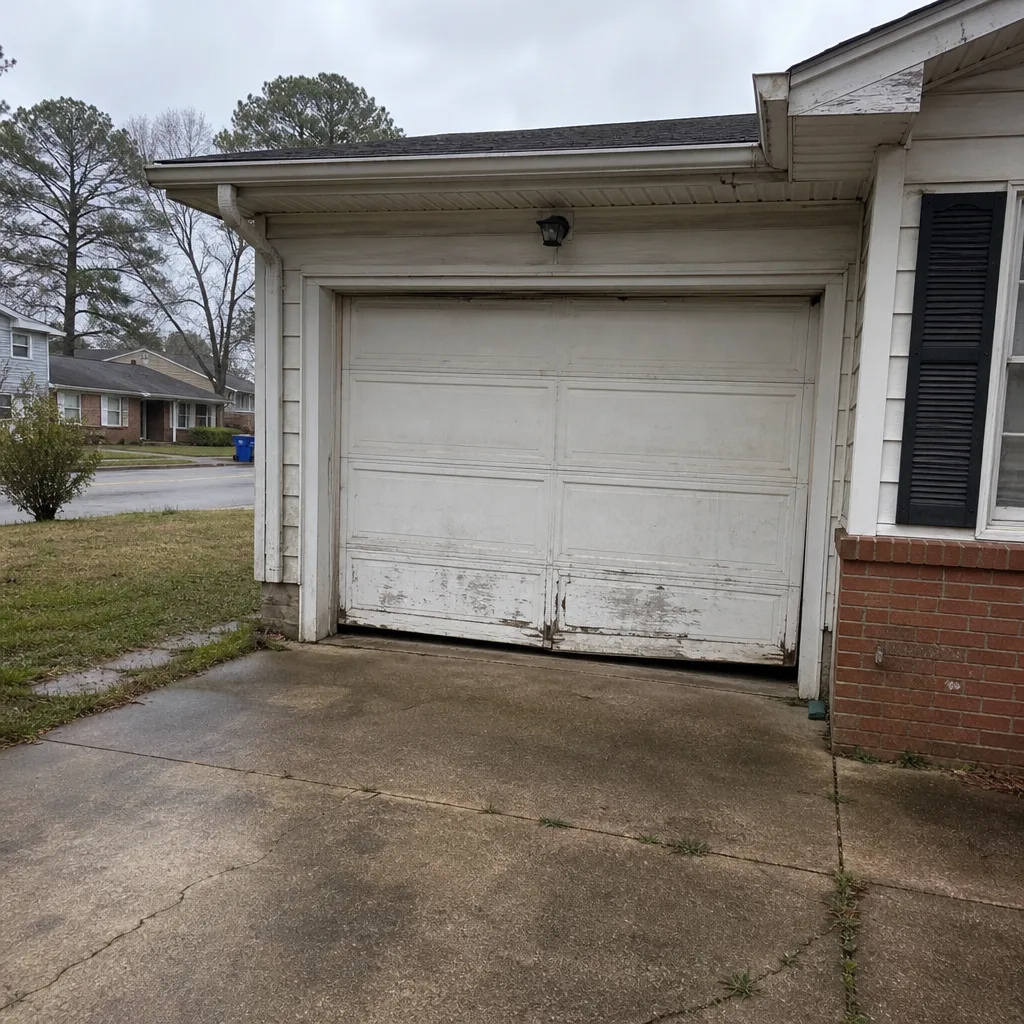 Before
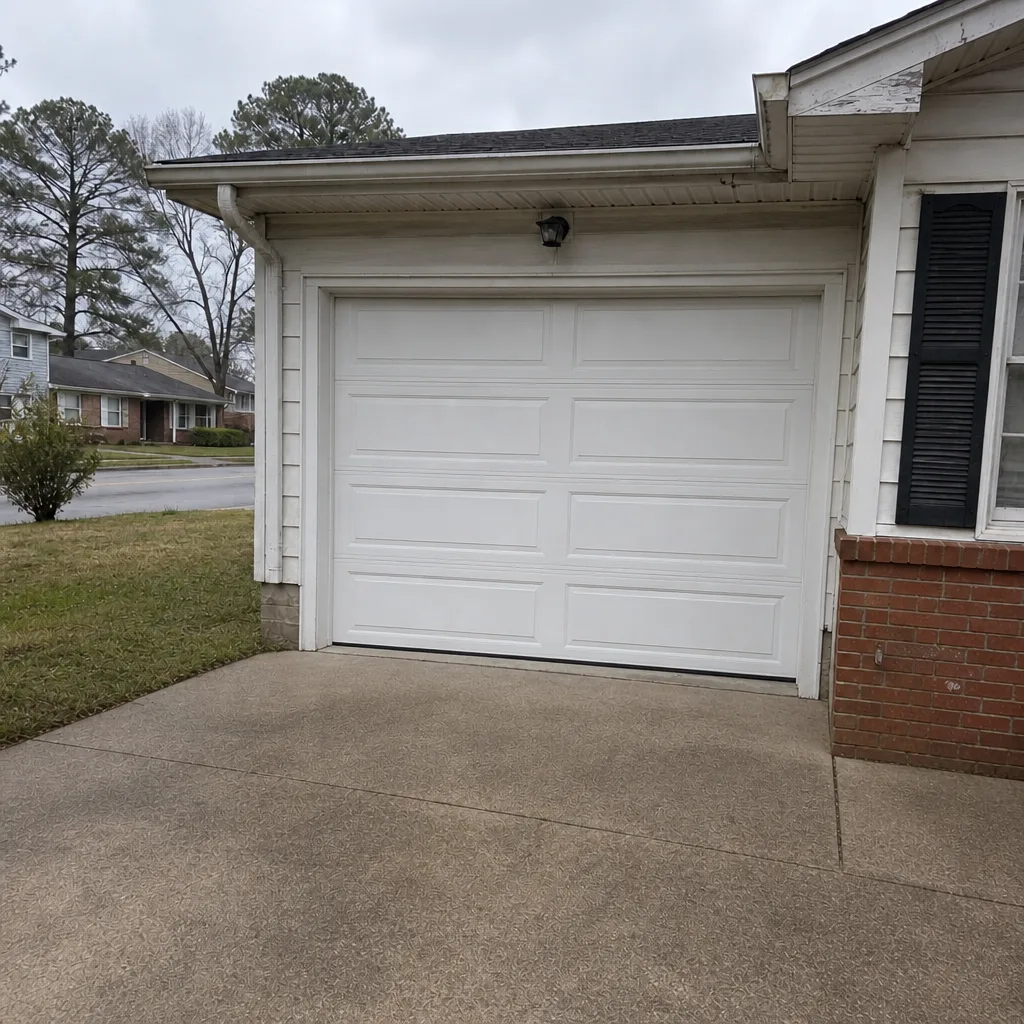 After
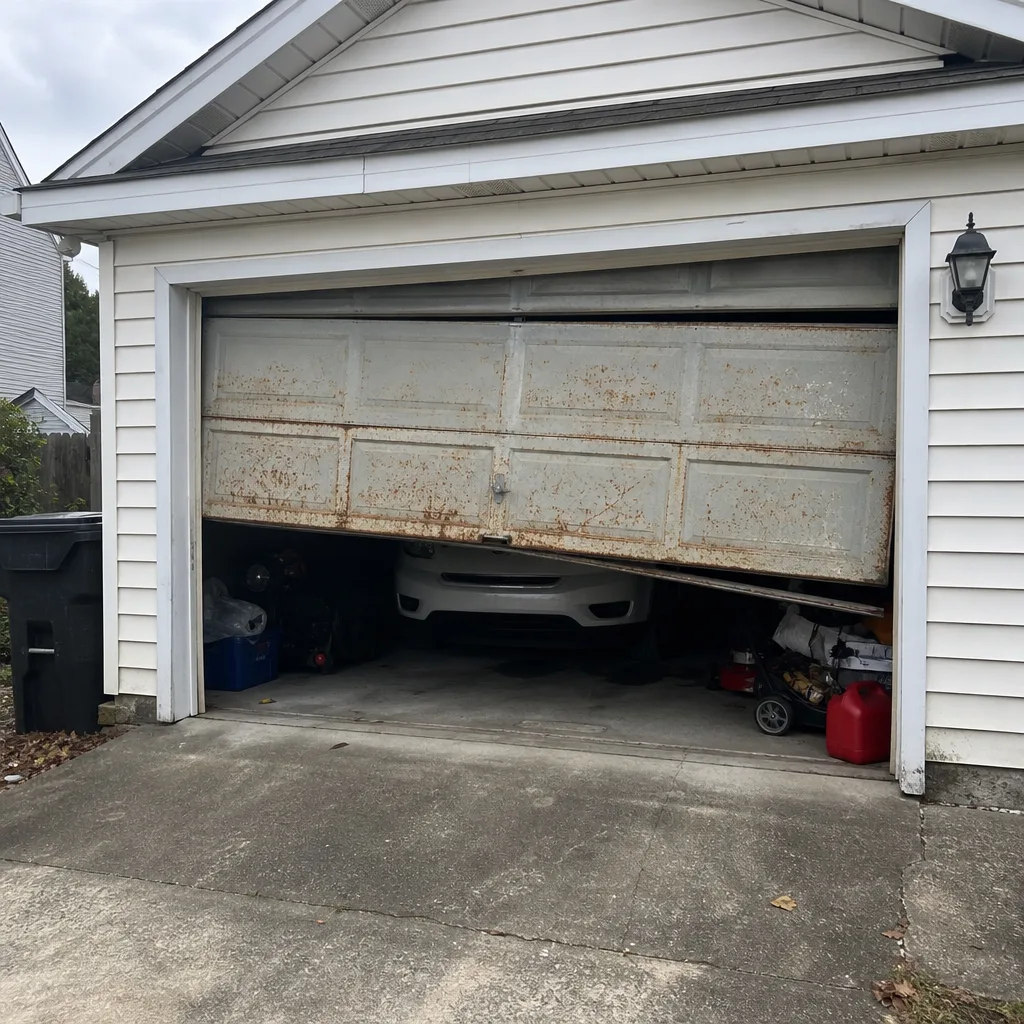 Before
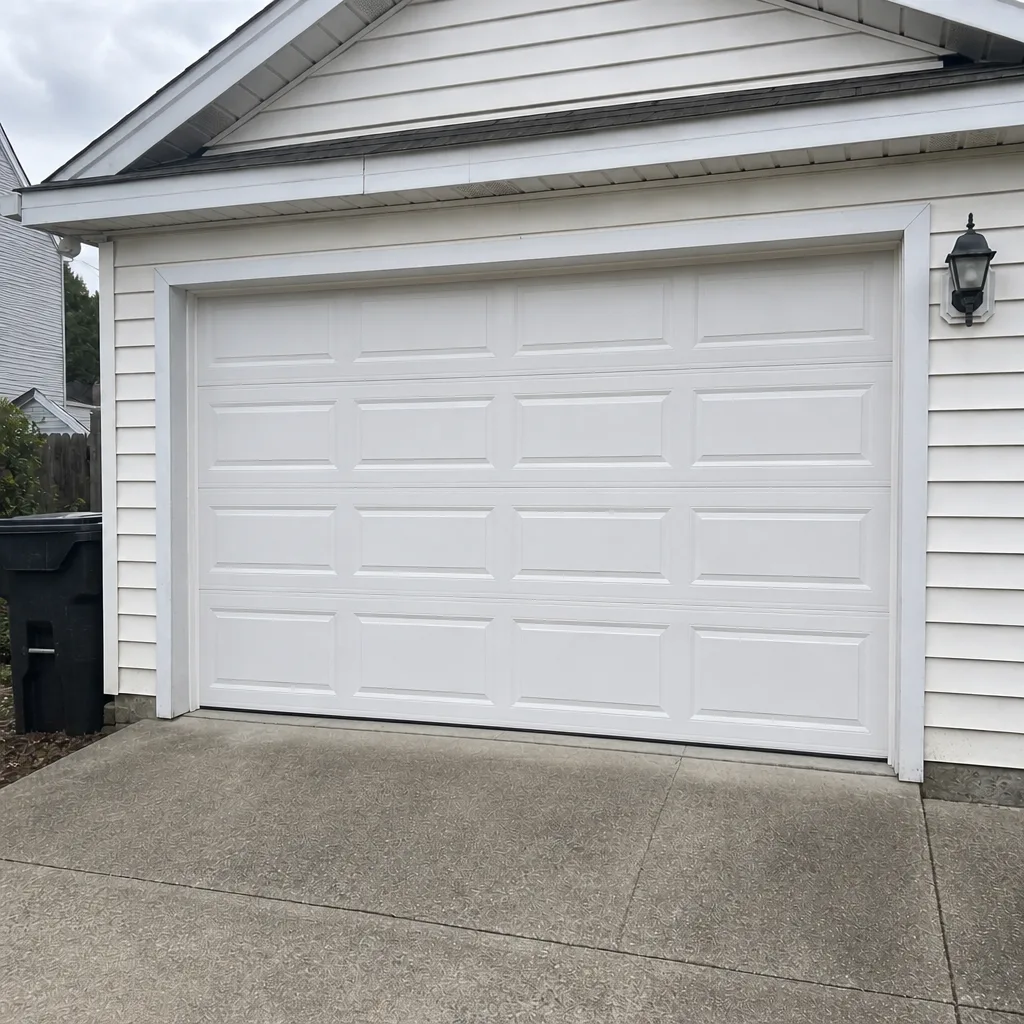 After
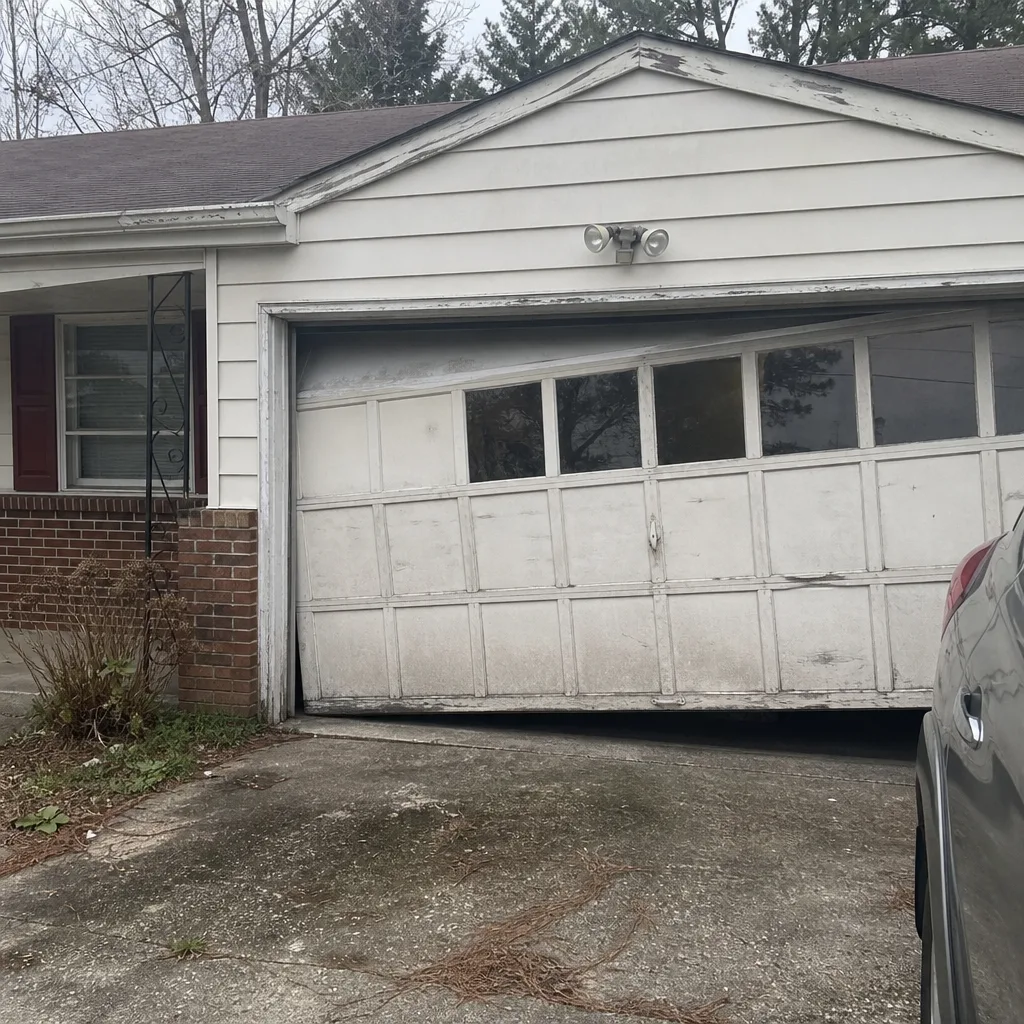 Before
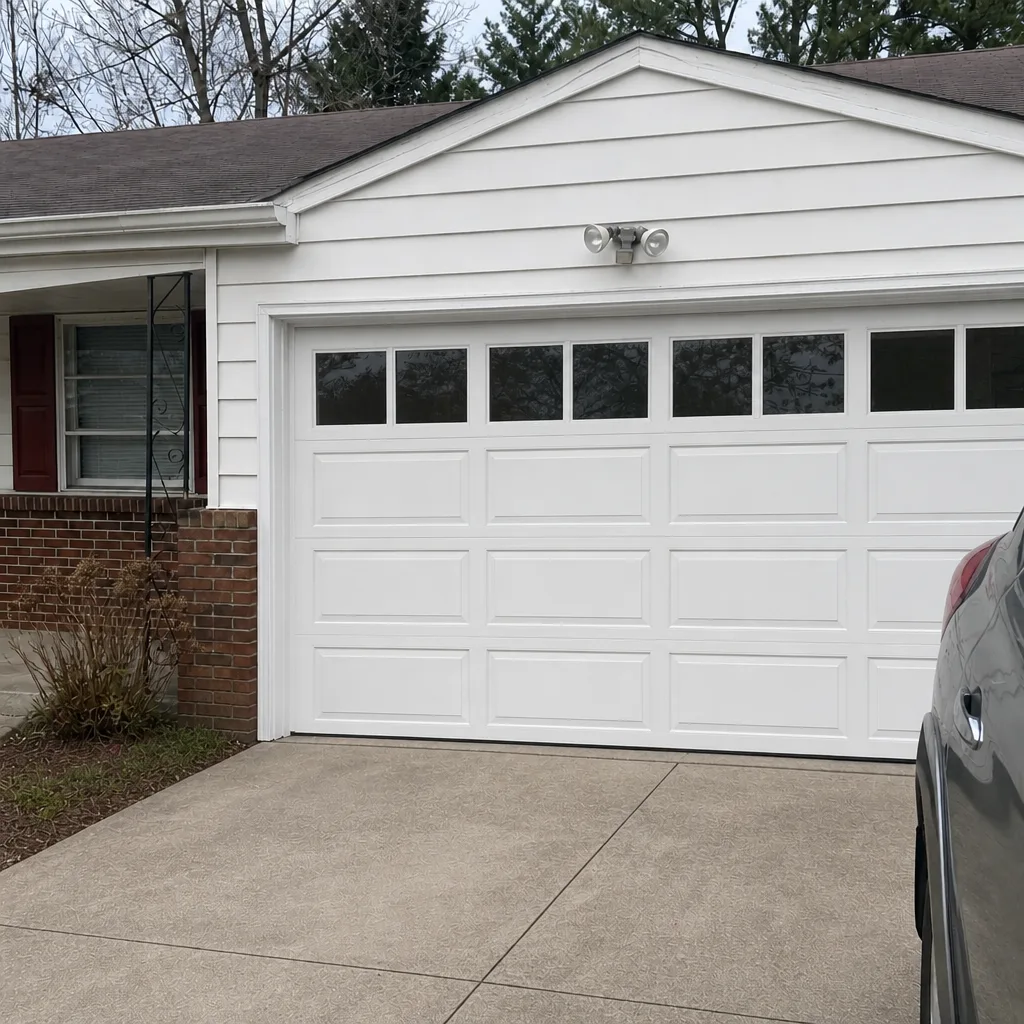 After
When to Call a Professional
Call a professional when the door won’t open or close, when it’s visibly out of balance or hanging crooked, when you hear a bang from the springs, or when the opener runs but the door doesn’t move. Spring and cable work is a genuine safety risk: those parts carry stored energy, and a technician with the right tools handles it safely. Don’t attempt opener or spring repairs on your own. If the opener is glitchy, the remote won’t pair, or the door reverses for no reason, that’s worth a diagnosis too. And if you’re comparing estimates for a new door, a free measure beats guesswork every time. Portsmouth Garage Door Repair Pros offers free estimates in Portsmouth and can work with any of the major brands on your door. Call (855) 937-1767.
Frequently Asked Questions
The best brand for a Portsmouth home has galvanized hardware, a written corrosion warranty that covers rust-through, and parts available locally. Clopay, Amarr, Wayne Dalton, and Raynor all offer model lines that fit those criteria. The specific model matters more than the brand name, so compare spec sheets. Call (855) 937-1767 for an exact quote on your door: estimates are free.
Yes, if your door faces wind exposure or gets used every day. A 24-gauge section resists denting and holds its finish better than a 27-gauge one, especially in a coastal Virginia wind zone. On a sheltered, rarely used door, the thinner gauge is usually fine. Ask the installer for both options and the difference in price.
No, but they need to be compatible. LiftMaster and Chamberlain are the two dominant smart-home-compatible lines, and each has its own remotes and app. Genie and Craftsman systems have their own ecosystems too. Check sensor wiring, remote pairing, and force limits before you buy. If something doesn’t work once installed, call for garage door opener repair rather than guessing.
Common exclusions include pouring, improper installation, unrepaired finish damage, and chemical exposure. Rust-through coverage varies by brand, and the fine print is where the answer lives. Ask the dealer directly whether corrosion on the door sections is covered and for how long. Get that answer in writing with your estimate.
Often, yes, if the manufacturer still offers a matching section. A multi-brand technician can identify the model line and order the match. If the model is discontinued or the panel can’t be matched, a partial or full replacement may be the better path. Get a diagnosis before you buy a whole door.
No. Installation is measured, ordered, and scheduled around the door’s arrival, so it’s not a same-day service. That’s normal for new-door work. If your current door has failed and you need a fix fast, emergency service is a real offering. Call (855) 937-1767 and we’ll get you on the schedule.
The Bottom Line
Brand prestige is the weakest reason to pick a garage door. In Portsmouth, the decision comes down to three things: hardware that resists corrosion, a warranty that actually covers rust-through, and parts a local technician can get without a special order. Compare spec sheets across Clopay, Amarr, Wayne Dalton, and Raynor model lines, match the opener to the door, and stay with your current brand for a panel replacement when you can. If you work with a multi-brand shop, you get a recommendation based on your door, not on what’s sitting on a truck. That’s the call worth making. Portsmouth Garage Door Repair Pros works on all eight of the major brands we’ve covered here, from opener repairs through full installations.
Need help deciding what your current door needs before you buy a new one? Call Portsmouth Garage Door Repair Pros at (855) 937-1767 for a free estimate. We’ll tell you what’s going on with your door, which brand options fit your situation, and what the written estimate covers before any work starts. Our technicians have up to 15 years of experience on the systems Portsmouth homeowners rely on every day.
Written by the team at Portsmouth Garage Door Repair Pros.